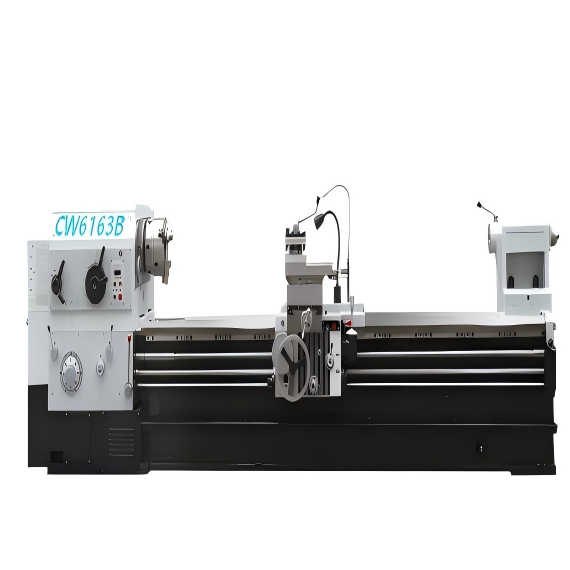
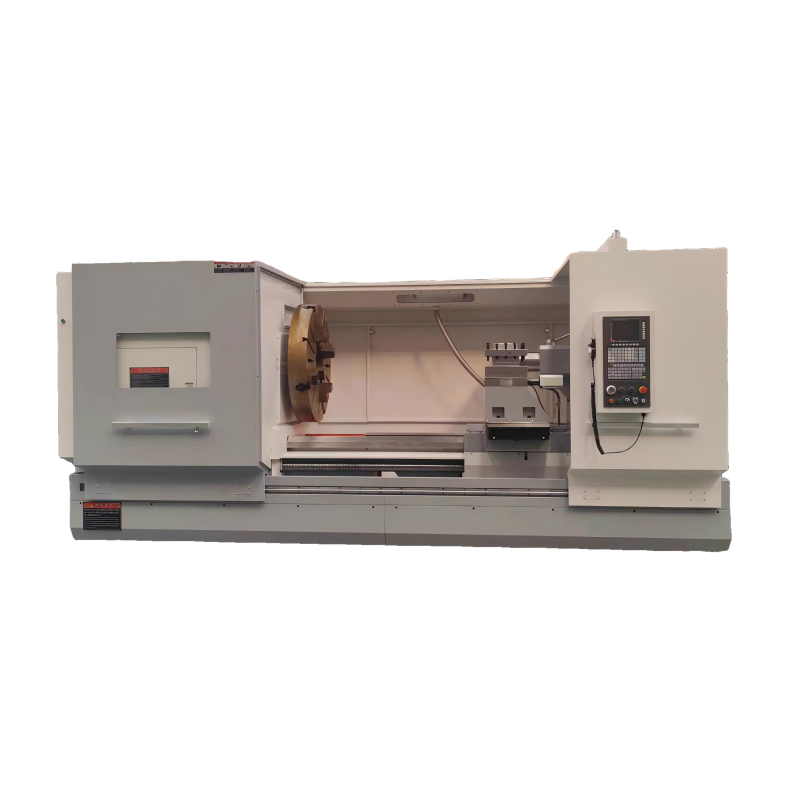
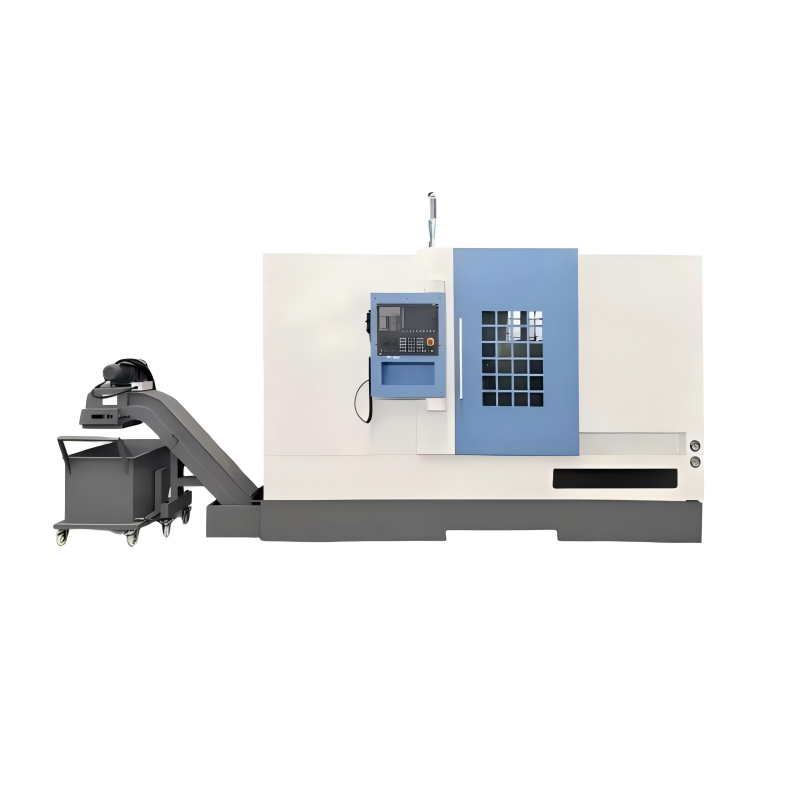
In the realm of precision manufacturing, CNC lathes are indispensable tools that demand meticulous maintenance to ensure optimal performance and longevity. Among the various components of a CNC Lathe, the box way, also known as the hard rail, plays a critical role in guiding the movement of the machine's axes. This guide provides a comprehensive overview of box way maintenance for CNC lathes, covering essential practices, common issues, and preventive measures.
The box way system is a type of linear motion guide used in heavy-duty CNC lathes. It consists of a dovetail-shaped sliding surface and a mating surface, which together provide high rigidity and load-bearing capacity. The design of the box way allows for precise and stable movement, making it ideal for applications requiring high accuracy and durability. Unlike other types of guides, such as linear ball bearings, box ways can handle larger loads and are less prone to deflection under heavy cutting forces. However, this robustness comes with the need for regular maintenance to prevent wear and ensure smooth operation.
One of the most fundamental aspects of maintaining a box way CNC lathe is conducting regular inspections and cleaning. Debris, chips, and contaminants can accumulate on the sliding surfaces, leading to increased friction, wear, and potential damage. It is recommended to inspect the box way at least once a week, or more frequently in environments with high levels of dust and debris. During inspection, look for signs of wear, such as scratches, dents, or uneven surfaces. Additionally, check for any loose or missing fasteners and ensure that all components are securely attached.
Cleaning should be performed using a soft, lint-free cloth and a suitable cleaning agent. Avoid using abrasive materials or harsh chemicals, as these can damage the surface finish. After cleaning, apply a thin layer of lubricant to the sliding surfaces to reduce friction and prevent corrosion. Proper lubrication is crucial, as it not only reduces wear but also enhances the overall efficiency of the machine.
Lubrication is a critical component of box way maintenance. The right lubricant can significantly extend the life of the box way and improve the machine's performance. For CNC lathes, it is essential to use a high-quality, non-drying lubricant that can withstand the operating conditions, including temperature, load, and speed. Regularly check the lubrication system to ensure that it is functioning correctly and that there is an adequate supply of lubricant. In some cases, automatic lubrication systems may be used, which can help maintain consistent lubrication and reduce the risk of human error.
Grease management is another important aspect of box way maintenance. Over time, grease can degrade and become contaminated, leading to increased wear and reduced performance. It is recommended to replace the grease periodically, typically every six months to one year, depending on the operating conditions. When replacing the grease, ensure that the old grease is thoroughly removed before applying the new one. This can be done using a grease gun and a clean cloth. Additionally, check for any signs of water or coolant contamination, as these can accelerate the degradation of the grease and cause premature wear.
Proper alignment is crucial for the optimal performance of a box way CNC lathe. Misalignment can lead to uneven wear, increased vibration, and reduced accuracy. Regular checks and adjustments should be made to ensure that the box way is properly aligned. This can be done using precision measuring tools, such as dial indicators or laser alignment systems. During the alignment process, pay attention to the following key areas:
Adjustments should be made carefully, and it is often necessary to consult the manufacturer's guidelines or seek the assistance of a qualified technician. Proper alignment not only extends the life of the box way but also improves the overall performance and accuracy of the CNC lathe.
A proactive approach to maintenance is essential for preventing major issues and ensuring the long-term reliability of the box way CNC lathe. Implementing a preventive maintenance schedule can help identify and address potential problems before they escalate. Some key elements of a preventive maintenance plan include:
When troubleshooting issues with the box way, it is important to follow a systematic approach. Common problems include excessive wear, binding, and misalignment. By addressing these issues early, you can prevent more significant and costly repairs down the line. If a problem persists, it may be necessary to consult with the manufacturer or a professional service provider for further assistance.
In conclusion, the box way, or hard rail, is a critical component of CNC lathes that requires careful and consistent maintenance to ensure optimal performance. By understanding the importance of regular inspection, cleaning, lubrication, alignment, and preventive maintenance, you can extend the life of your CNC lathe and achieve the highest levels of precision and productivity. Adhering to these best practices will not only enhance the reliability of your equipment but also contribute to the overall success of your manufacturing operations.
 16/06/2026
In the realm of heavy-duty CNC lathe applications, the choice between box way and hard rail systems is a critical decision that can significantly impact the performance, durability, and overall efficiency of the machine. This technical report delves into
Read More16/06/2026In the realm of precision machining, CNC lathes are indispensable tools that enable manufacturers to produce parts with high accuracy and efficiency. Among the different types of CNC lathes, those equipped with hard rail systems, also known as box way lat
Read More15/06/2026Understanding the Basics of Box Way Technology in CNC LathesIn the realm of precision machining, the choice between box way and linear guide systems for CNC lathe applications significantly impacts overall performance. Box ways, also known as box slides,
Read More15/06/2026In the world of precision manufacturing, the role of CNC lathes cannot be overstated. These machines are pivotal for producing parts with high accuracy and repeatability. Among the various components that contribute to a CNC lathe's performance, the guidi
Read More15/06/2026In the realm of modern manufacturing, precision is not just a preference but a necessity. One of the key components that ensure this precision in CNC lathes is the box way or hard rail system. This technical report aims to provide an in-depth understandin
Read MoreOur professional sales team is always ready to assist you.