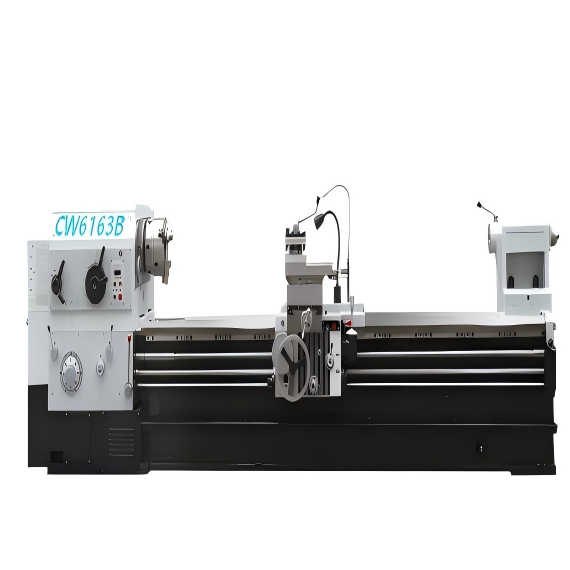
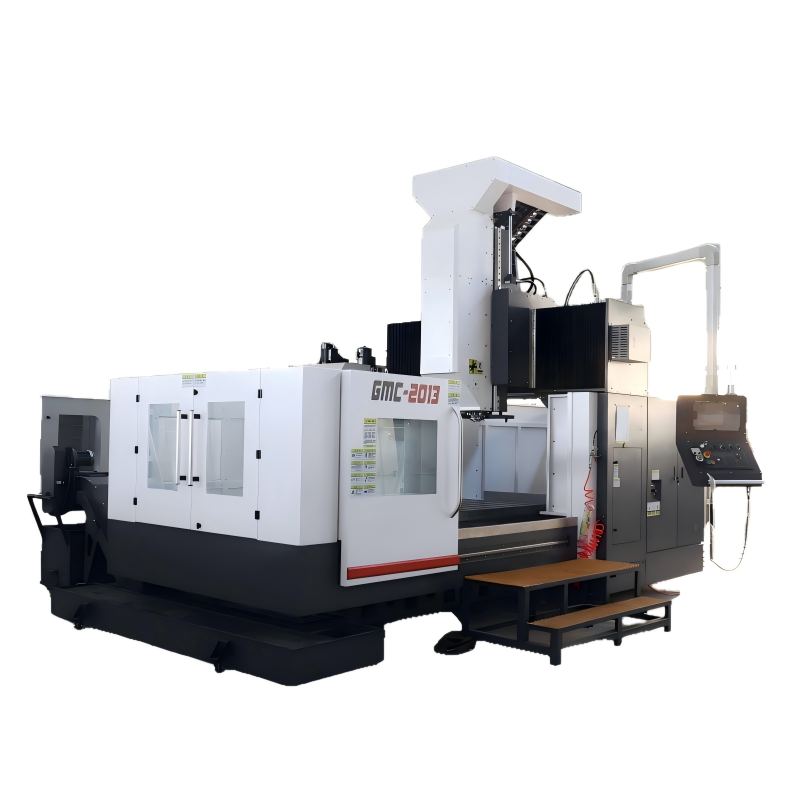
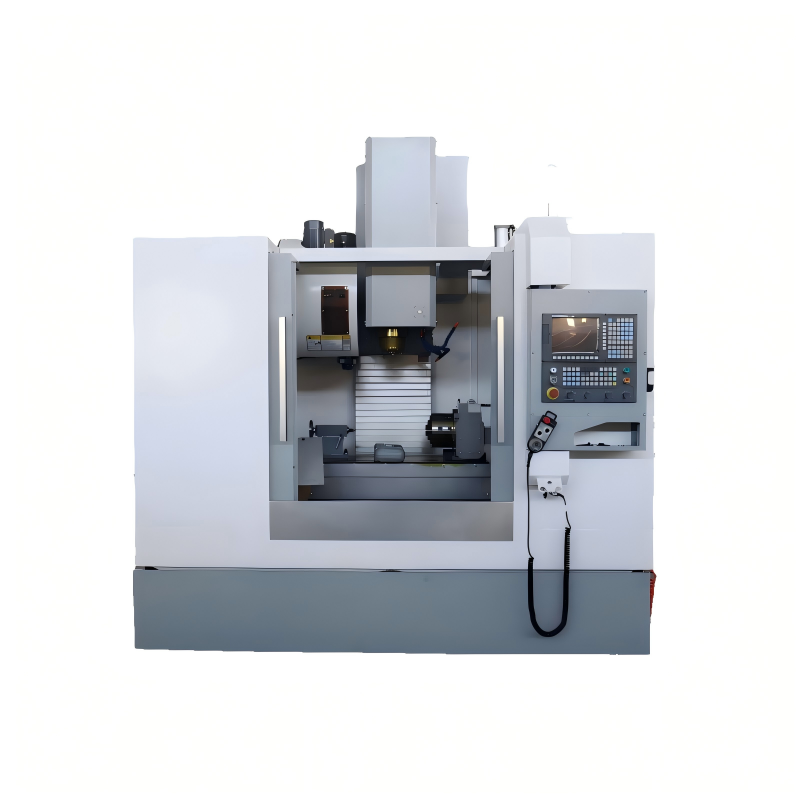
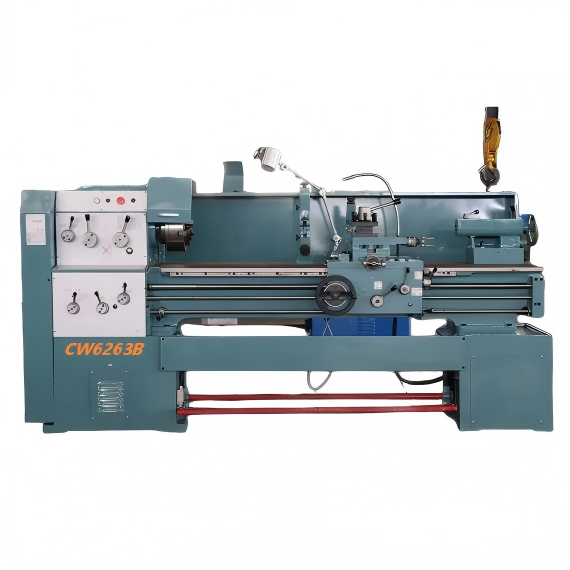
When it comes to the global market, China stands out as one of the leading exporters of CNC (Computer Numerical Control) machine tools. This comprehensive guide aims to provide an in-depth understanding of how to choose the best CNC machine tools for export from China, ensuring that you make a well-informed decision that aligns with your specific requirements and budget.
The first step in choosing the right CNC machine tool is identifying the type that suits your manufacturing needs. There are several types available, including milling machines, lathes, drilling machines, and more. Each type has its unique set of capabilities and applications. For instance, a CNC milling machine is ideal for precision cutting and shaping of metals, while a lathe is perfect for turning operations. Understanding the differences and capabilities of each type will help you narrow down your options and select the most appropriate one for your production process.
Moreover, consider the complexity of the parts you need to produce. Some CNC machines are designed for simple, repetitive tasks, while others can handle intricate designs and complex geometries. Assess your production volume and the level of precision required to ensure that the chosen CNC machine tool can meet these demands efficiently.
One of the key factors in selecting the best CNC machine tool for export from China is the quality and reliability of the manufacturer. China is home to numerous manufacturers, ranging from small-scale enterprises to large, established companies. To ensure you are working with a reputable supplier, conduct thorough research and due diligence. Look for manufacturers with ISO certifications, which indicate adherence to international quality standards. Additionally, check for any industry-specific certifications or awards that the company may have received.
Customer reviews and testimonials can also provide valuable insights into the performance and reliability of the CNC machine tools. Reach out to existing customers and ask about their experiences, including the durability of the machines, after-sales support, and overall satisfaction. A manufacturer with a strong track record of customer satisfaction is more likely to deliver a high-quality product.
Cost is a critical factor in any purchasing decision, and this is no different when it comes to CNC machine tools. While it's important to stay within your budget, it's equally important to consider the value proposition of the machine. A lower-priced machine may seem attractive, but if it lacks the features, precision, or durability required for your operations, it could end up costing you more in the long run through frequent repairs and downtime.
When evaluating the cost, take into account not just the initial purchase price but also the total cost of ownership. This includes maintenance costs, energy consumption, and the availability of spare parts. Some manufacturers offer comprehensive warranty and service packages, which can provide peace of mind and reduce long-term costs. Additionally, consider the potential return on investment (ROI) by assessing how the machine will improve your production efficiency and output quality.
Technical specifications and features play a crucial role in determining the suitability of a CNC machine tool for your specific needs. Key specifications to consider include the machine’s power, speed, accuracy, and the range of materials it can work with. For example, a higher-powered machine may be necessary for cutting harder materials, while a machine with high precision is essential for producing parts with tight tolerances.
Additionally, look for advanced features such as automatic tool changers, multi-axis capabilities, and integrated software solutions. These features can significantly enhance the machine’s functionality and productivity. Ensure that the software is user-friendly and compatible with your existing systems to avoid integration issues. If possible, request a demonstration or trial period to see the machine in action and evaluate its performance firsthand.
Exporting CNC machine tools from China requires compliance with various international standards and regulations. These standards ensure that the machines meet safety, environmental, and quality requirements. Common standards include CE (Conformité Européene) for European markets, UL (Underwriters Laboratories) for North America, and RoHS (Restriction of Hazardous Substances) for environmental protection. Verify that the manufacturer adheres to these standards and can provide the necessary documentation and certifications.
Furthermore, consider any country-specific regulations that may apply to the import of CNC machine tools. This includes customs duties, taxes, and any additional permits or licenses required. Working with a knowledgeable and experienced logistics partner can help navigate these complexities and ensure a smooth export process.
Choosing the best CNC machine tool for export from China involves a careful and systematic approach. By considering the type of machine, evaluating the quality and reliability of the manufacturer, understanding the cost and value proposition, examining technical specifications, and ensuring compliance with international standards, you can make an informed decision that meets your production needs and budget. With the right CNC machine tool, you can enhance your manufacturing capabilities and achieve greater efficiency and precision in your operations.
 16/06/2026
China has become a major player in the global manufacturing sector, with its exports of CNC (Computer Numerical Control) machine tools growing significantly over the past decade. The country's robust supply chain, competitive pricing, and advancements in
Read More16/06/2026The export of CNC (Computer Numerical Control) machine tools from China has been on a steady rise over the past few decades, transforming the country into one of the world's leading exporters. This report delves into the complexities and potential opportu
Read More16/06/2026Over the past few decades, China has emerged as a global leader in the manufacturing sector, with a significant focus on advanced technologies such as Computer Numerical Control (CNC) machine tools. The export of CNC machine tools from China is not only a
Read More16/06/2026China, over the past few decades, has become a significant player in the global CNC machine tool market. With its vast manufacturing base and increasing technological capabilities, the country has not only met domestic demands but also emerged as a leadin
Read More16/06/2026As global trade continues to evolve, the import of CNC machine tool export from China has become a significant aspect for many manufacturing companies. The complexity of this process, however, can be daunting for those unfamiliar with the intricacies invo
Read More16/06/2026China has become a global leader in the production and export of CNC (Computer Numerical Control) machine tools, which are essential for various manufacturing processes. As the demand for high-precision machinery continues to grow, Chinese manufacturers h
Read More16/06/2026Understanding the Global Demand for CNC Machine ToolsThe global market for Computer Numerical Control (CNC) machine tools has been expanding steadily, driven by the increasing demand from various sectors such as automotive, aerospace, and electronics. As
Read More15/06/2026Over the past decade, China has emerged as a global leader in the production and export of CNC (Computer Numerical Control) machine tools. This rise is not only indicative of China's growing technological capabilities but also reflects its increasing infl
Read More15/06/2026IntroductionThe global demand for CNC (Computer Numerical Control) machine tools is on the rise, driven by the increasing need for precision and efficiency in manufacturing. As a leading exporter, China has become a pivotal player in this market, supplyin
Read More15/06/2026China has emerged as a global leader in the manufacturing and export of CNC (Computer Numerical Control) machine tools, playing an increasingly significant role in shaping the future of this industry. This report delves into the trends, challenges, and op
Read More15/06/2026China, as a global manufacturing powerhouse, has been playing an increasingly significant role in the export of CNC (Computer Numerical Control) machine tools. This report aims to provide a comprehensive overview of the current state and future prospects
Read More15/06/2026In the ever-evolving landscape of global manufacturing, the rise of CNC (Computer Numerical Control) machine tools from China has been a significant trend. This report delves into the reasons behind the dominance of Chinese CNC machines in the internation
Read More15/06/2026The export of CNC machine tools from China has witnessed a remarkable increase in 2023, reflecting the country's growing influence in the global manufacturing sector. This report delves into the key factors driving this growth, examines the current market
Read More15/06/2026China has emerged as a global leader in the manufacturing and export of CNC (Computer Numerical Control) machine tools, offering a wide range of products that cater to diverse industrial needs. The advantages of sourcing CNC machines from Chinese manufact
Read More15/06/2026China, being one of the largest producers and exporters of CNC machine tools, plays a pivotal role in supplying these high-precision machines to various industries across the globe. For international buyers, understanding the nuances of importing CNC mach
Read MoreOur professional sales team is always ready to assist you.