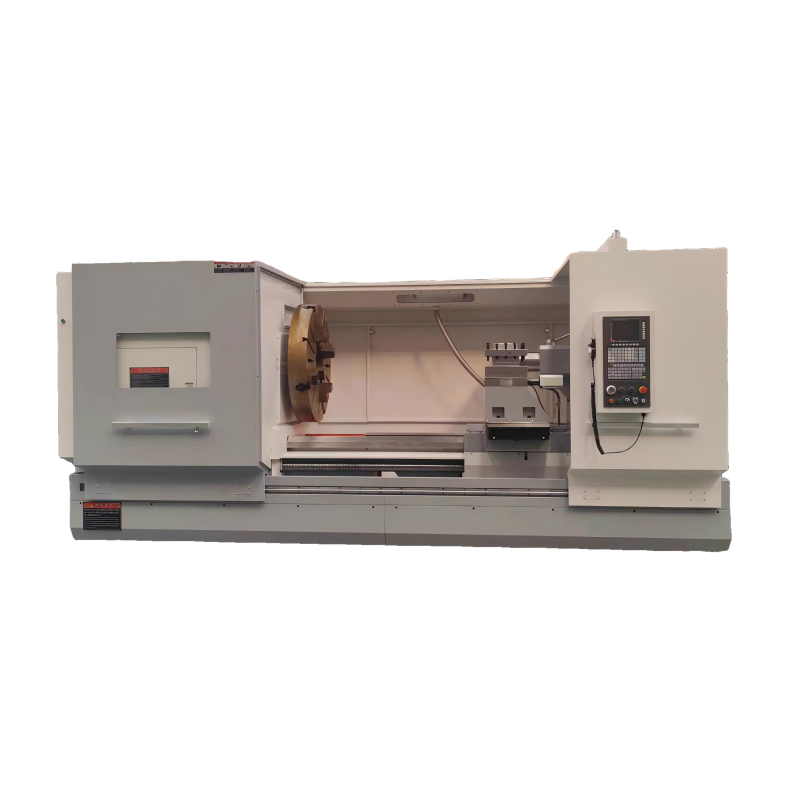
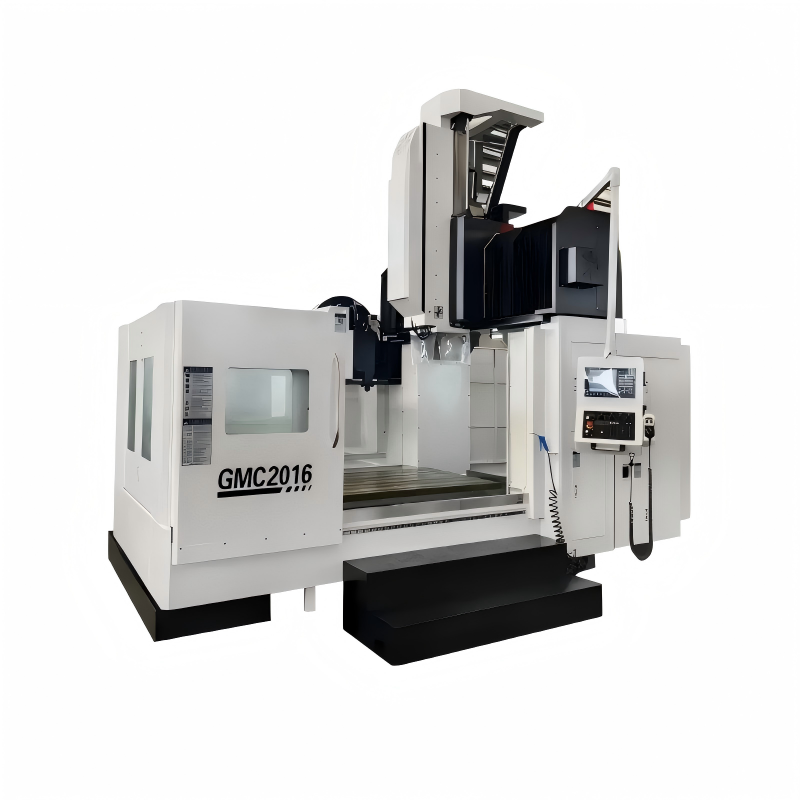
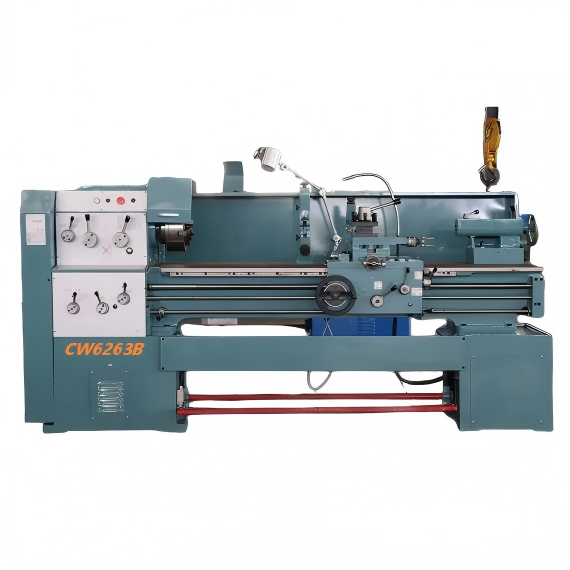
The global demand for high-precision machining tools has been on a steady rise, and Chinese CNC Lathe exporters have positioned themselves as key players in this market. China's manufacturing sector, with its advanced technological capabilities and cost-effective solutions, has become a go-to source for businesses worldwide. This section will provide an overview of the current landscape, highlighting the strengths and potential challenges that importers might face when sourcing from Chinese suppliers.
Chinese CNC lathes are renowned for their robust construction, reliability, and competitive pricing. The country's manufacturing prowess is bolstered by a well-established supply chain, which ensures that components and materials are of high quality and readily available. Additionally, many Chinese manufacturers invest heavily in research and development, constantly innovating to meet the evolving needs of the global market.
However, it is essential to be aware of the potential risks associated with importing from China. These include intellectual property concerns, varying quality standards, and logistical challenges. To mitigate these risks, it is crucial to conduct thorough due diligence, establish clear communication channels, and work with reputable Chinese CNC lathe exporters.
Choosing the right Chinese CNC lathe exporter is a critical step in ensuring the success of your import venture. Several factors should be considered to make an informed decision:
By carefully evaluating these factors, you can select a Chinese CNC lathe exporter that aligns with your business goals and provides the best value for your investment.
Importing Chinese CNC lathes involves navigating a complex web of regulations and compliance requirements. Understanding and adhering to these regulations is crucial to avoid delays, fines, and other legal issues. Here are some key points to consider:
By staying informed and proactive, you can navigate the regulatory landscape effectively and ensure a smooth import process.
Once the CNC lathes have been imported, the next step is to ensure that they meet the expected quality and performance standards. This involves several key steps:
By following these steps, you can ensure that the imported Chinese CNC lathes deliver the desired performance and contribute to the overall success of your operations.
Building a long-term relationship with your Chinese CNC lathe exporter can bring numerous benefits, including better pricing, improved service, and access to new products and technologies. Here are some strategies to foster a strong and lasting partnership:
By implementing these strategies, you can build a long-term, mutually beneficial relationship with your Chinese CNC lathe exporter, ensuring a stable and reliable supply of high-quality machinery for years to come.
 17/06/2026
Understanding the quality standards of Chinese CNC lathe exporters is crucial for international buyers and manufacturers looking to source high-precision machinery. This report delves into the key aspects that define the quality of CNC lathes exported fro
Read More17/06/2026In today’s globalized manufacturing landscape, the demand for high-precision and cost-effective machining solutions has never been higher. One of the key players in this arena is the Chinese CNC lathe exporter, who not only offers a wide range of machiner
Read More17/06/2026As global manufacturing continues to evolve, the demand for precision and efficiency in production processes has never been greater. One of the key players in this transformation is the Chinese CNC lathe exporter. This article will explore how a Chinese C
Read More17/06/2026The Chinese CNC lathe market has been experiencing significant growth over the past decade, driven by increasing demand from both domestic and international markets. As one of the leading Chinese CNC lathe exporters, it is crucial to understand the qualit
Read More16/06/2026In the contemporary manufacturing landscape, the role of Chinese CNC lathe exporters has become increasingly significant. As industries around the world seek to enhance productivity and precision, these exporters are playing a pivotal part in shaping mode
Read More16/06/2026In the modern era of manufacturing, the quest for increased productivity and efficiency is paramount. One key player in this drive towards enhanced production capabilities is the Chinese CNC lathe exporter. These exporters have become increasingly importa
Read More16/06/2026In today's globalized manufacturing landscape, the demand for precision and efficiency has never been higher. For many companies, especially those in the metalworking industry, partnering with a trusted Chinese CNC lathe exporter can be a game-changer. Th
Read More16/06/2026Understanding the Importance of Precision in Chinese CNC LathesWhen considering a Chinese CNC lathe exporter, one of the most critical factors to evaluate is the level of precision that the machine can achieve. High-precision lathes are essential for indu
Read More16/06/2026The Rise of Chinese CNC Lathe Manufacturers in the Global MarketOver the past few decades, China has emerged as a significant player in the global manufacturing industry. One area where this growth is particularly evident is in the production and export o
Read More15/06/2026In today's competitive manufacturing landscape, the choice of a reliable Chinese CNC lathe exporter can significantly impact a company's productivity, efficiency, and overall success. This report aims to explore the advantages of selecting a dependable Ch
Read More15/06/2026Understanding the Evolution of Chinese CNC Lathe ManufacturingThe journey of Chinese CNC lathe manufacturing from a local to an international phenomenon is both fascinating and instructive. Over the past few decades, China has transformed itself into one
Read More15/06/2026As global markets continue to expand, businesses increasingly seek efficient and cost-effective solutions for their manufacturing needs. Among these, Chinese CNC lathe exporters have emerged as key players, offering a wide range of high-quality products a
Read More15/06/2026In the rapidly evolving landscape of modern manufacturing, precision and efficiency are paramount. One tool that has become increasingly indispensable is the CNC (Computer Numerical Control) lathe. Among the global players in this field, Chinese CNC lathe
Read MoreOur professional sales team is always ready to assist you.