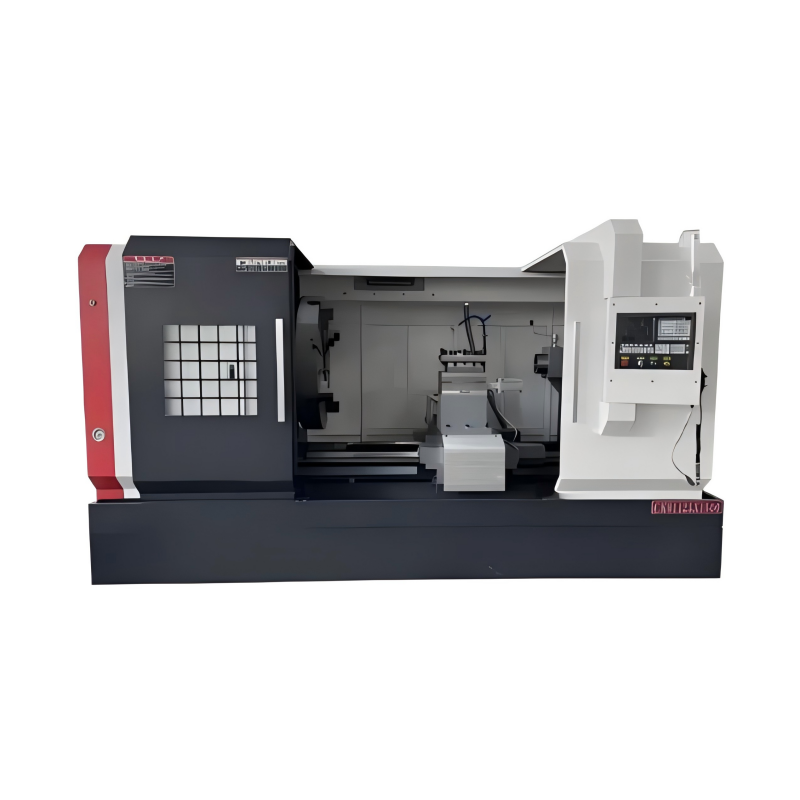
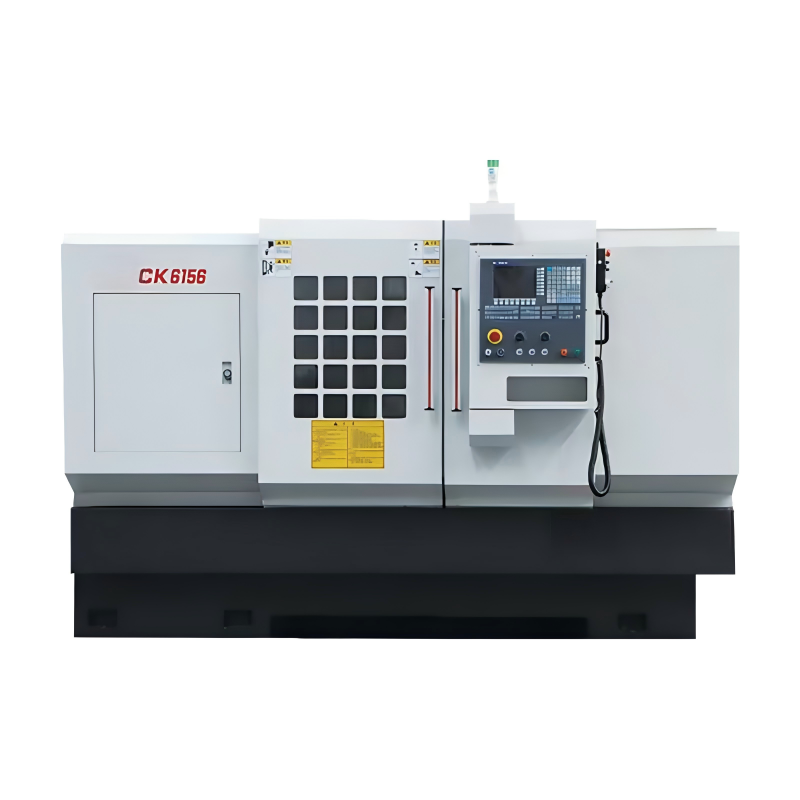
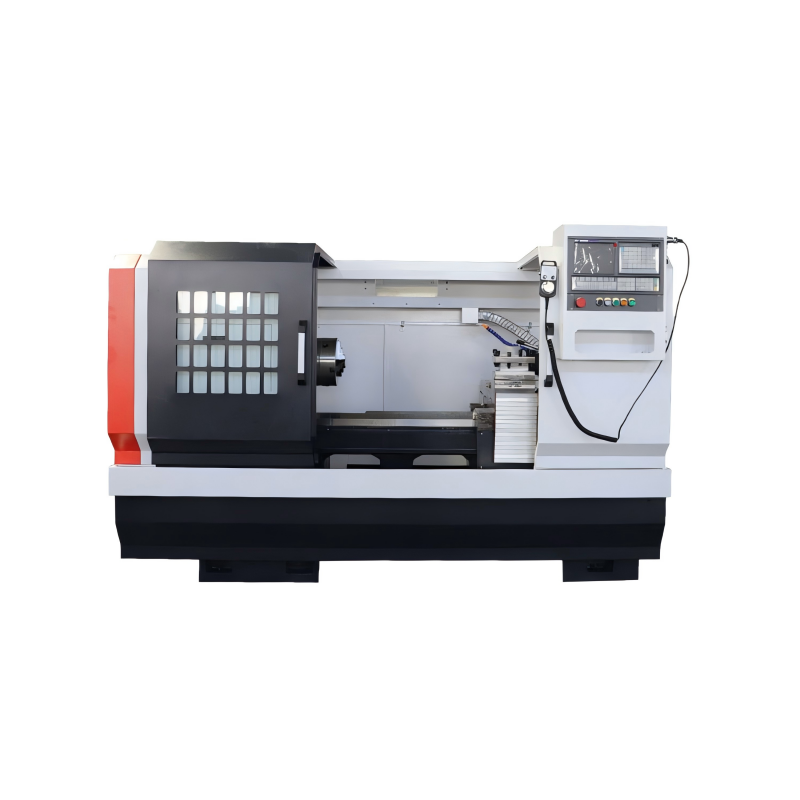
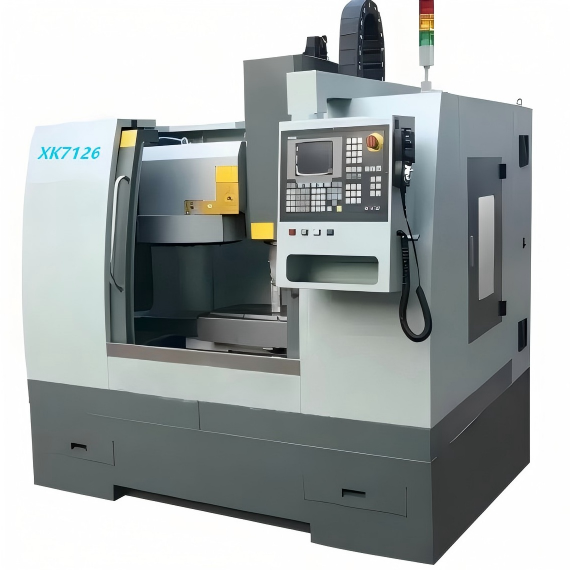
In the realm of modern manufacturing, the Fully automatic horizontal CNC lathe China has emerged as a critical tool for achieving high precision and efficiency. This guide aims to provide a comprehensive overview of operating such machinery, focusing on key aspects that operators and manufacturers should consider to maximize productivity while ensuring safety and quality.
Before delving into operational specifics, it's essential to understand what makes a fully automatic horizontal CNC Lathe unique. These machines are designed to perform turning operations with minimal human intervention, making them ideal for mass production environments. The "CNC" in their name stands for Computer Numerical Control, indicating that they operate based on pre-programmed instructions. This automation not only enhances accuracy but also significantly reduces the chances of human error.
Proper setup is the foundation of successful operation. Here’s how you can set up your fully automatic horizontal CNC lathe:
Regular maintenance and timely troubleshooting are vital for keeping your fully automatic horizontal CNC lathe in optimal condition. Here are some key points to consider:
Safety should always be a top priority when operating any machinery. Here are some essential safety tips for using a fully automatic horizontal CNC lathe:
To get the most out of your fully automatic horizontal CNC lathe, consider the following strategies:
By following these guidelines, you can effectively operate a fully automatic horizontal CNC lathe, ensuring high-quality output and efficient production. Remember, the key to success lies in understanding the machine, maintaining it properly, and prioritizing safety at all times.
 23/06/2026
The manufacturing industry is continually evolving, with advancements in technology playing a crucial role in enhancing production efficiency. One such advancement is the fully automatic horizontal CNC lathe from China, which has revolutionized the way pr
Read More23/06/2026The evolution of manufacturing technology has seen significant advancements over the years, with fully automatic horizontal CNC lathes playing a crucial role in precision engineering. These machines, particularly those produced in China, have become indis
Read More22/06/2026In the realm of precision machining, the fully automatic horizontal CNC lathe from China stands out as a beacon of technological advancement. This article delves into the intricacies and advantages of the high precision flat bed CNC lathe, highlighting it
Read More22/06/2026The advancement in manufacturing technology has brought about significant improvements in the efficiency and precision of production processes. Among these advancements, the fully automatic horizontal CNC lathe from China stands out as a transformative so
Read More22/06/2026Understanding the Basics of Fully Automatic Horizontal CNC LathesIn today's rapidly evolving manufacturing landscape, choosing the right machinery is crucial for maintaining a competitive edge. One such essential tool is the fully automatic horizontal CNC
Read More22/06/2026With the rapid development of manufacturing technology, the demand for precision and efficiency in machining processes has increased significantly. One of the key machines that have emerged to meet this demand is the fully automatic horizontal CNC lathe.
Read More22/06/2026In the realm of modern manufacturing, the adoption of advanced technologies plays a crucial role in enhancing productivity, precision, and overall efficiency. One such technology that has gained significant traction is the fully automatic horizontal CNC l
Read More16/06/2026As the demand for precision machining continues to grow, manufacturers are increasingly looking towards solutions that can fit into compact spaces without compromising on performance. One such solution is the fully automatic horizontal CNC lathe, which ha
Read MoreOur professional sales team is always ready to assist you.