Understanding the Basics of Vertical VMC650
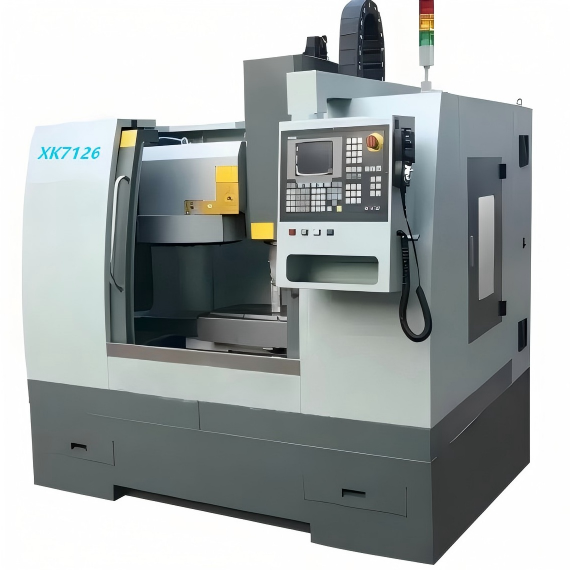
The Vertical VMC650, a versatile and powerful machine, is widely used in various industries for its precision and efficiency. This section will provide an overview of the Vertical VMC650, including its key features, operational principles, and typical applications. By understanding these basics, operators can better appreciate the capabilities and limitations of the machine, setting the foundation for more advanced operations.
The Vertical VMC650 is designed with a robust structure that ensures stability and accuracy during machining processes. Its vertical spindle orientation allows for easy setup and operation, making it suitable for a wide range of materials and part sizes. The machine's control system is user-friendly, yet sophisticated enough to handle complex programming tasks, ensuring that both novice and experienced operators can achieve optimal results.
Optimizing Setup and Maintenance for Maximum Efficiency
To ensure the Vertical VMC650 operates at its best, proper setup and regular maintenance are crucial. This section will cover the essential steps for setting up the machine, including tooling selection, workpiece clamping, and alignment. Additionally, we will discuss the importance of routine maintenance, such as lubrication, cleaning, and calibration, to prevent downtime and extend the machine's lifespan.
One of the key aspects of optimizing the Vertical VMC650 is choosing the right tools and cutting parameters. The machine's performance can be significantly enhanced by selecting the appropriate cutting tools and setting the correct feed rates and speeds. Regular inspection and replacement of worn-out tools are also critical to maintaining high-quality output. Furthermore, keeping the machine clean and well-lubricated will reduce wear and tear, ensuring consistent performance over time.
Advanced Programming Techniques for Enhanced Performance
For operators looking to maximize the potential of the Vertical VMC650, advanced programming techniques are essential. This section will delve into the use of CNC (Computer Numerical Control) programming, G-codes, and M-codes to create efficient and precise machining programs. We will also explore the integration of CAD/CAM (Computer-Aided Design/Computer-Aided Manufacturing) software to streamline the design and manufacturing process.
By mastering CNC programming, operators can take full advantage of the Vertical VMC650's capabilities. G-codes and M-codes allow for detailed control over the machine's movements and functions, enabling the creation of complex and intricate parts. CAD/CAM software further enhances this process by providing a seamless transition from design to production. This integration not only improves accuracy but also reduces the time required for setup and programming, leading to increased productivity and cost savings.
Implementing Quality Control Measures
Ensuring the quality of the machined parts is paramount in any manufacturing process. This section will discuss the implementation of quality control measures for the Vertical VMC659. We will cover the use of in-process inspection, post-machining checks, and statistical process control (SPC) to maintain high standards of quality. Additionally, we will explore the role of metrology tools, such as coordinate measuring machines (CMMs) and optical comparators, in verifying the accuracy and consistency of the machined parts.
In-process inspection involves monitoring the machining process to detect and correct any deviations early on. This can be achieved through the use of sensors and real-time data analysis. Post-machining checks, on the other hand, involve inspecting the finished parts for dimensional accuracy, surface finish, and other quality criteria. SPC techniques, such as control charts and histograms, help in identifying trends and variations in the production process, allowing for timely adjustments. Metrology tools play a crucial role in validating the measurements and ensuring that the parts meet the required specifications.
Case Studies and Best Practices
To provide practical insights into the effective use of the Vertical VMC650, this section will present case studies and best practices from industry leaders. These examples will highlight successful implementations, common challenges, and innovative solutions. By learning from real-world experiences, operators can gain valuable knowledge and inspiration to improve their own processes.
One case study might focus on a company that successfully integrated the Vertical VMC650 into their production line, resulting in significant improvements in efficiency and product quality. Another example could showcase a manufacturer that overcame specific challenges, such as reducing cycle times or improving surface finish, through the use of advanced programming and tooling techniques. These case studies will be complemented by best practices, such as tips for optimizing tool paths, strategies for minimizing setup times, and guidelines for maintaining machine accuracy.
 17/06/2026



