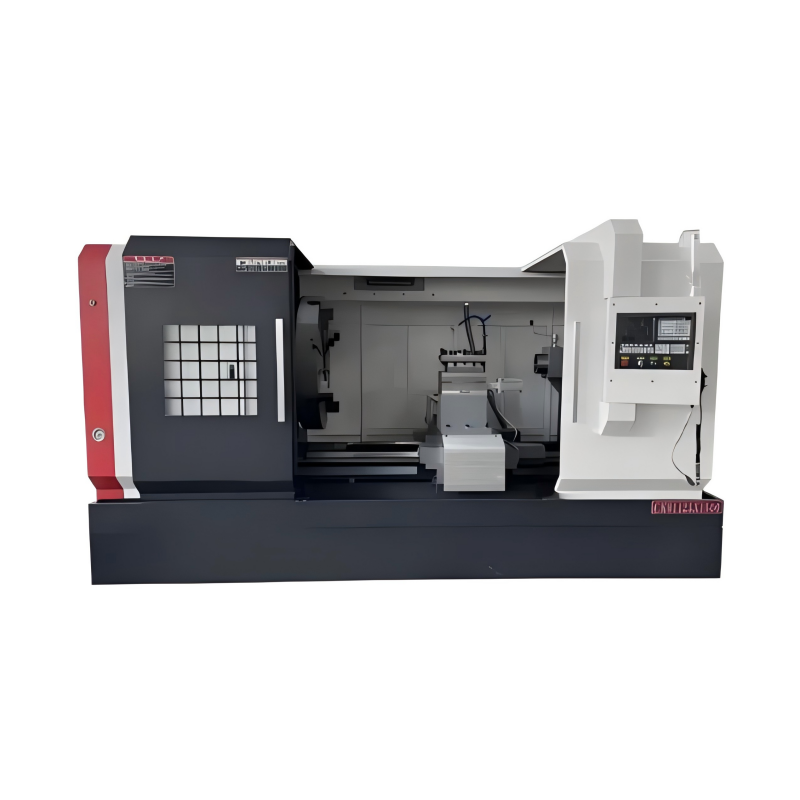
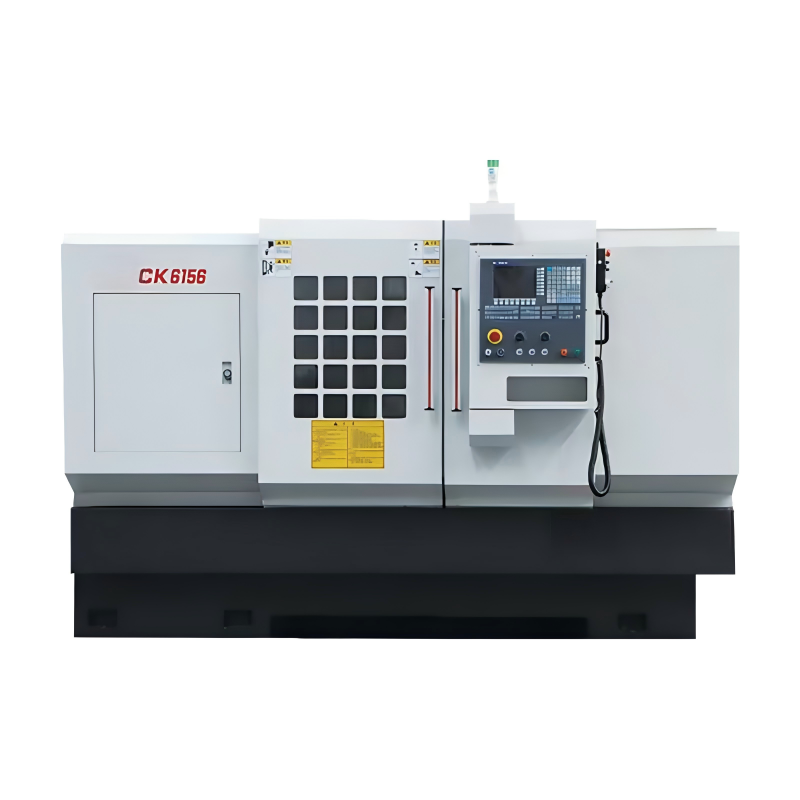
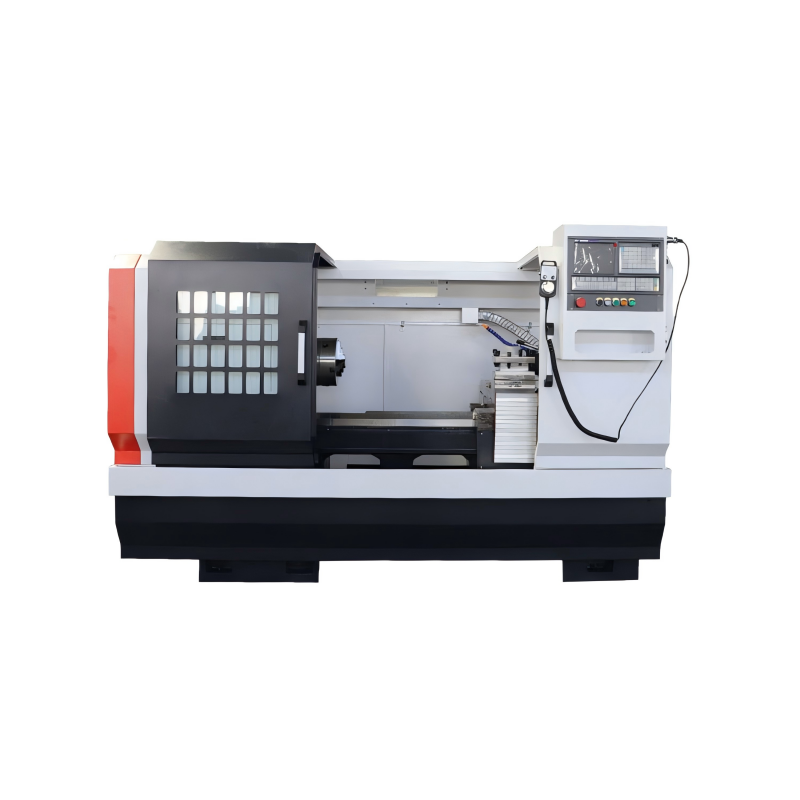
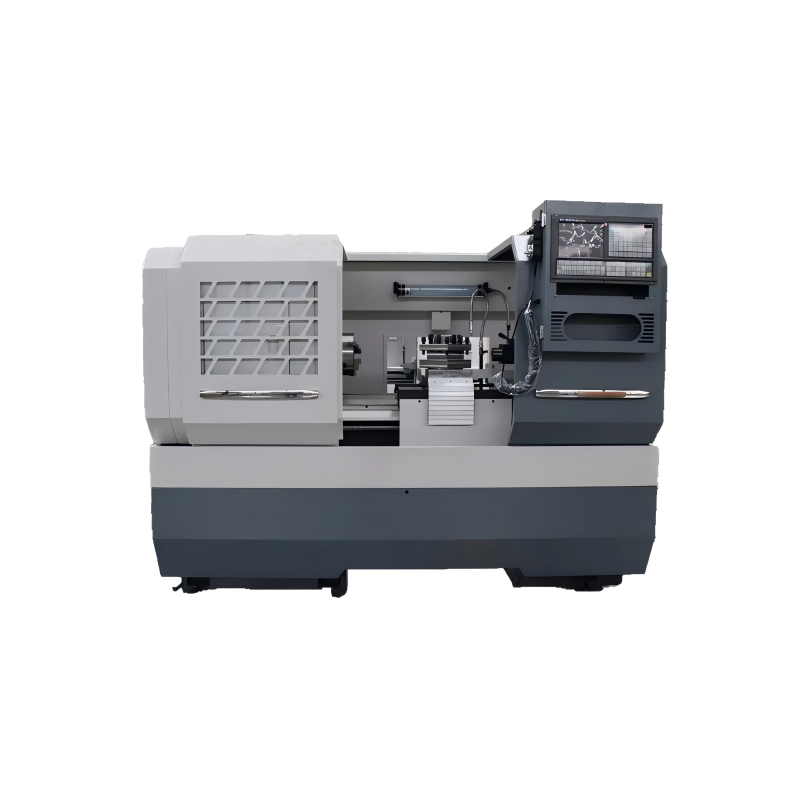
When it comes to selecting the best Horizontal CNC lathe with turret China, there are several key factors to consider. This comprehensive guide will help you navigate through the process, ensuring that you make an informed decision that meets your specific manufacturing needs.
A Horizontal CNC (Computer Numerical Control) lathe is a machine tool that uses computer-aided design (CAD) and computer-aided manufacturing (CAM) software to control the movement of the lathe's cutting tools. The primary function of a horizontal CNC lathe is to shape metal or other materials by rotating them against a stationary cutting tool. The turret, a key component, allows for multiple tools to be mounted and quickly indexed, significantly increasing the efficiency and versatility of the machine.
Horizontal CNC lathes are widely used in various industries, including automotive, aerospace, and general manufacturing, due to their precision, speed, and ability to handle complex operations. Understanding the basics of these machines is crucial for making an informed purchase decision.
When selecting a Horizontal CNC lathe with turret China, it’s essential to consider the following key features:
China is a leading manufacturer of CNC lathes, offering a wide range of options at competitive prices. However, not all manufacturers provide the same level of quality and reliability. Here are some tips for evaluating Chinese manufacturers:
While the initial cost of a Horizontal CNC lathe with turret China is an important factor, it’s equally important to consider the long-term value and total cost of ownership. Here are some key considerations:
Selecting the best Horizontal CNC lathe with turret China requires careful consideration of various factors, including the machine's features, the quality and reliability of the manufacturer, and the long-term value. By understanding the basics of horizontal CNC lathes, evaluating key features, and considering the reputation and support of the manufacturer, you can make an informed decision that aligns with your production needs and budget. Remember to perform a thorough cost analysis and consider the long-term benefits to ensure that your investment provides the best possible return.
 14/06/2026
Introduction to Horizontal CNC Lathes with Turret Mechanisms in ChinaIn the domain of precision machining, horizontal Computer Numerical Control (CNC) lathes have become a cornerstone for industries requiring high accuracy and efficiency. Among these, Hor
Read More14/06/2026In the rapidly evolving landscape of manufacturing, precision and efficiency are paramount. Among the many tools that have transformed this sector, the Horizontal CNC lathe with turret stands out as a pivotal innovation, especially in China, where advance
Read More14/06/2026In the realm of precision machining, the integration of advanced technologies like the horizontal CNC lathe with turret in China has significantly elevated manufacturing standards. This report delves into the pivotal role that turrets play in enhancing th
Read More14/06/2026The Evolution of CNC Technology and Its Impact on Modern MachiningComputer Numerical Control (CNC) technology has revolutionized the manufacturing industry, offering precision, efficiency, and versatility in production processes. A horizontal CNC lathe wi
Read More14/06/2026In the realm of precision manufacturing, the Horizontal CNC lathe with turret has emerged as a pivotal tool for enhancing productivity and efficiency. Originating from China, these advanced machines are designed to meet the stringent demands of modern ind
Read More14/06/2026When it comes to selecting a Horizontal CNC lathe with turret from Chinese manufacturers, the process can be quite intricate. This report aims to guide you through the essential factors to consider, ensuring that your investment is both efficient and effe
Read More14/06/2026Automation has become a driving force behind the advancement of manufacturing technologies, particularly in the field of CNC (Computer Numerical Control) machining. The horizontal CNC lathe with turret, a versatile machine widely used in China and around
Read More14/06/2026When it comes to precision machining, the Horizontal CNC lathe with turret is a staple in many manufacturing facilities across China. This type of machine offers versatility and efficiency, making it an essential tool for producing high-accuracy component
Read More14/06/2026China has emerged as a leading manufacturer of horizontal CNC lathes with turret, offering high-precision and efficient solutions for various industrial applications. The maintenance of these machines is crucial to ensure their longevity and optimal perfo
Read More14/06/2026In the realm of precision machining, the advancements in horizontal CNC lathe with turret technology have opened up new possibilities for manufacturers around the globe. This report delves into the innovations emerging from China, a country that has becom
Read More14/06/2026When it comes to selecting a horizontal CNC lathe with turret for your production needs, especially one manufactured in China, several key factors must be considered. This guide aims to provide you with the necessary insights to make an informed decision
Read More14/06/2026Introduction to Horizontal CNC Lathes with Turret in ChinaThe advancement of manufacturing technology has led to the development of highly efficient and precise machinery, among which the horizontal CNC lathe with turret stands out. In China, where the ma
Read More14/06/2026The global manufacturing landscape is undergoing a transformation, driven by advancements in technology and increasing demands for precision and efficiency. Within this context, the role of China as a key player in the global horizontal CNC lathe market h
Read More14/06/2026In the realm of modern manufacturing, the Horizontal CNC Lathe with Turret from China has emerged as a critical tool, offering unparalleled precision, efficiency, and versatility. This article delves into the key advantages that make this machine an indis
Read MoreOur professional sales team is always ready to assist you.