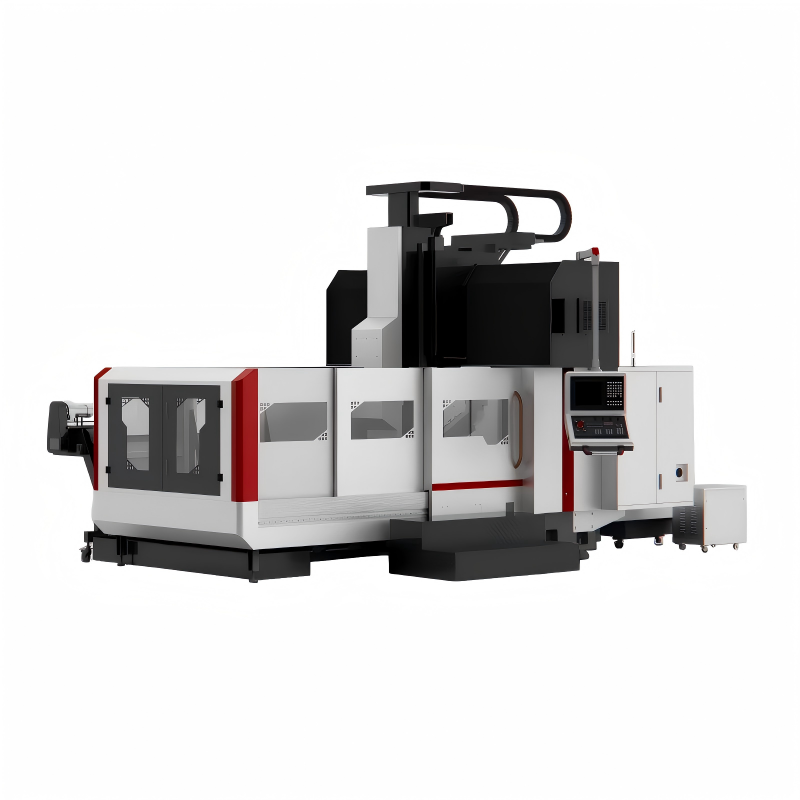
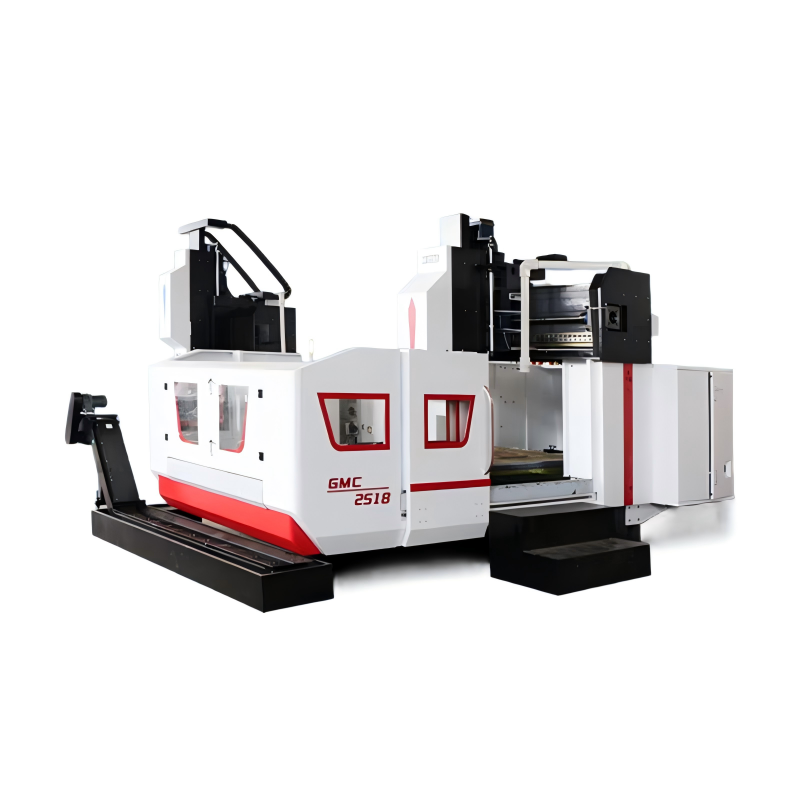
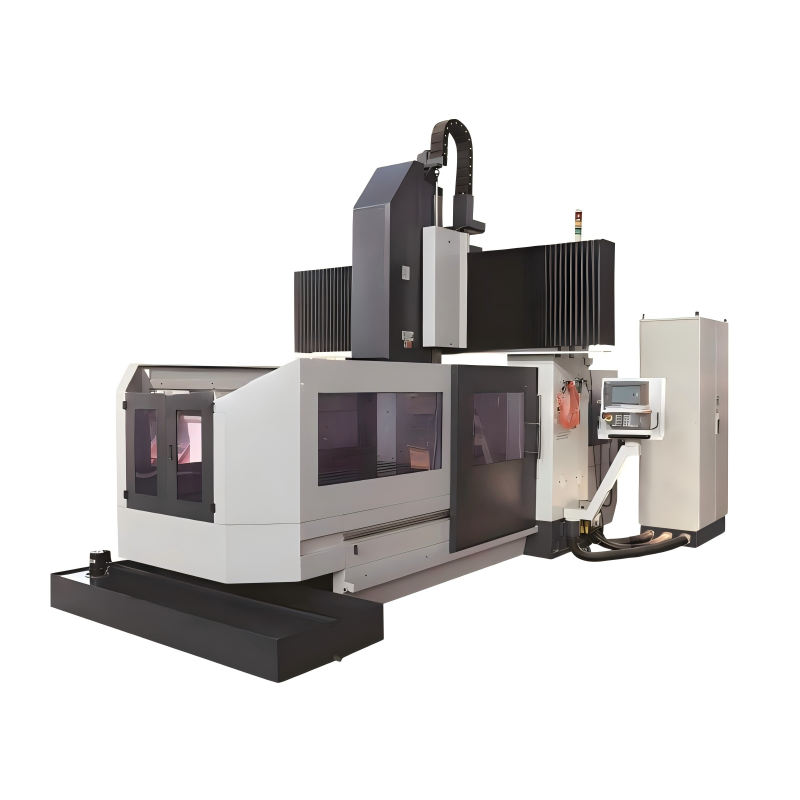
A 4-axis Vertical Machining Center is a type of CNC (Computer Numerical Control) machine that adds an additional axis, typically a rotary table, to the traditional 3-axis setup. This extra axis allows for more complex parts to be machined in a single setup, which can significantly reduce production times and improve accuracy. In this section, we will explore the fundamental components and operational principles of a 4-axis vertical machining center.
The primary axes in a 4-axis vertical machining center include X, Y, Z, and A or B. The X and Y axes control the horizontal movement, while the Z axis manages the vertical motion. The fourth axis, either A or B, is rotational and enables the workpiece to rotate around one of these axes, allowing for the machining of cylindrical and other complex geometries. Understanding how each axis functions together is crucial for selecting the right 4-axis vertical machining center for your specific needs.
One of the key advantages of using a 4-axis vertical machining center over a 3-axis machine is the ability to perform multi-sided machining without the need to reposition the part manually. This not only saves time but also reduces the chances of errors due to repeated setups. Additionally, the 4-axis capability opens up possibilities for machining intricate shapes and features that would otherwise require multiple operations on different machines.
When it comes to choosing the right 4-axis vertical machining center, several key features should be considered. These features directly impact the machine's performance, efficiency, and suitability for your specific applications. Here are some critical aspects to evaluate:
By carefully evaluating these key features, you can ensure that the 4-axis vertical machining center you select meets your production requirements and provides the best possible return on investment.
Investing in a 4-axis vertical machining center involves significant upfront costs, but the long-term benefits can justify the expense. Here are some cost considerations and potential long-term advantages to keep in mind:
While the initial investment in a 4-axis vertical machining center may seem substantial, the long-term benefits in terms of increased efficiency, improved quality, and greater flexibility can make it a worthwhile investment for your manufacturing operations.
 29/06/2026
In the rapidly evolving landscape of manufacturing, the advent of 4-axis vertical machining centers (VMCs) has brought about significant advancements, particularly in the automotive industry. These machines offer a level of precision, efficiency, and vers
Read More27/06/2026Understanding the Capabilities of 4-Axis Vertical Machining CentersA 4-axis vertical machining center is a highly versatile and advanced piece of machinery that has revolutionized the manufacturing industry. Unlike its 3-axis counterpart, which operates a
Read More26/06/2026IntroductionThe 4-axis vertical machining center represents a significant advancement in the field of precision engineering. This type of machine tool is designed to perform complex and high-precision operations, making it an indispensable asset for indus
Read More25/06/2026Vertical machining centers have become a staple in the modern manufacturing landscape, offering unparalleled precision and efficiency. Among these, the 4-axis vertical machining center stands out as a versatile and powerful tool for a wide range of applic
Read MoreOur professional sales team is always ready to assist you.