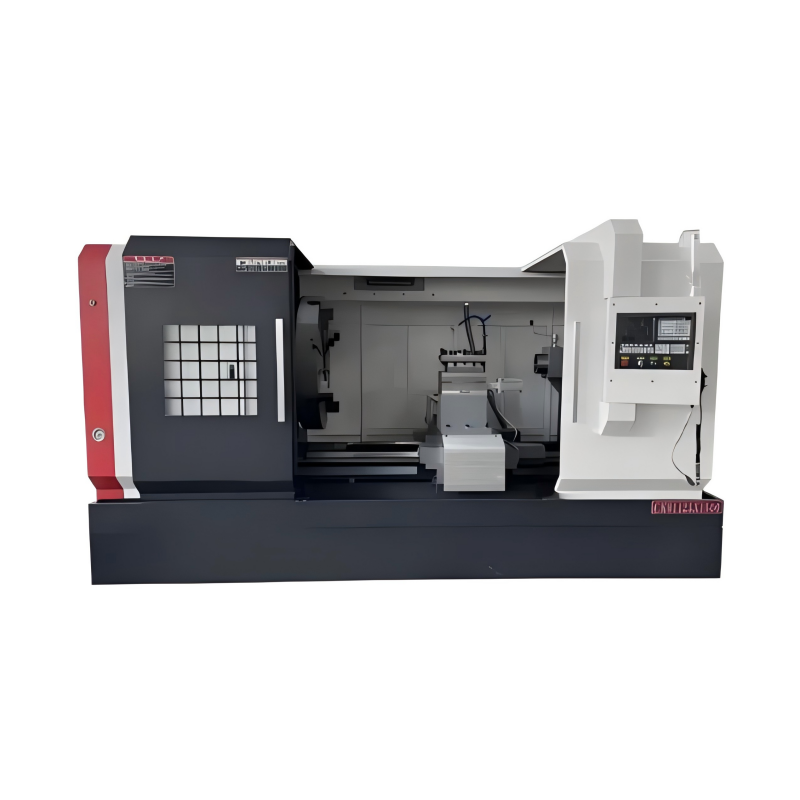
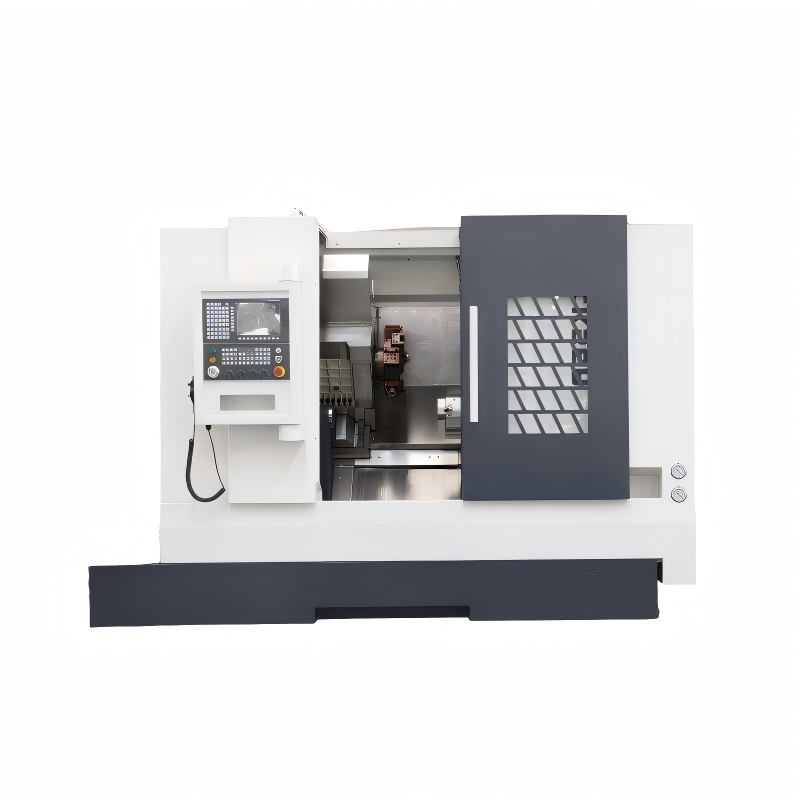
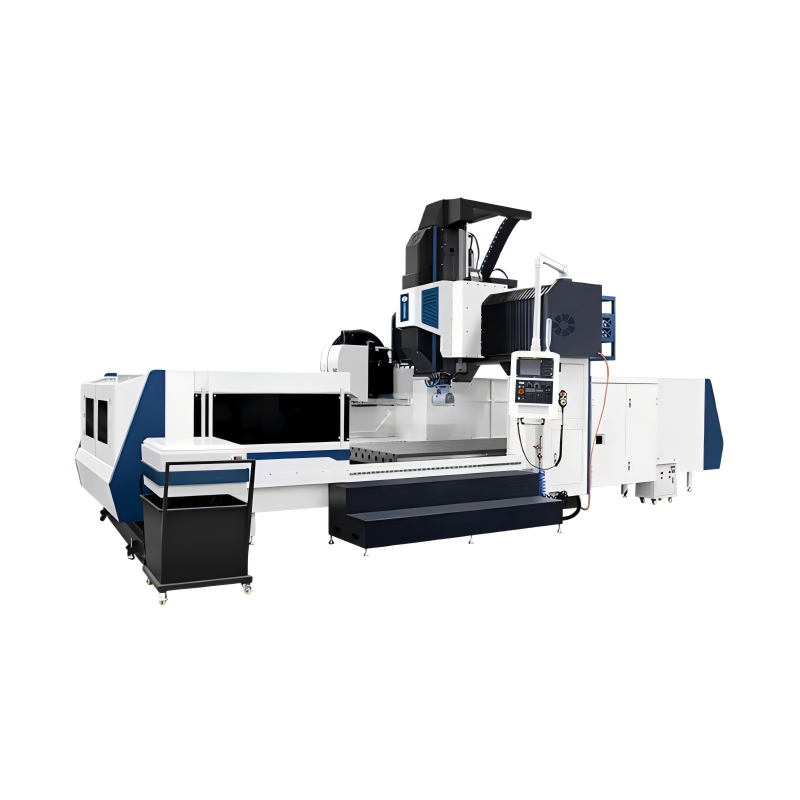
The 5-axis CNC Milling Machine represents a significant advancement in the field of machining, offering unparalleled precision and flexibility. Unlike traditional 3-axis machines, which move along three linear axes (X, Y, and Z), a 5-Axis CNC Milling Machine adds two rotational axes, allowing for complex part geometries to be machined with greater accuracy and efficiency. This section will explore the fundamental differences between 3-axis and 5-axis systems, the types of 5-axis configurations available, and the benefits that come with adopting this technology.
One of the most notable advantages of using a 5-axis CNC milling machine is its ability to perform multi-sided machining without the need for repositioning or re-clamping the workpiece. This not only saves time but also reduces the potential for errors that can occur during manual setup changes. Additionally, 5-axis machining allows for better tool access to undercuts and deep cavities, making it possible to produce highly intricate parts with superior surface finishes.
There are primarily two types of 5-axis configurations: trunnion-style and tilting-spindle. Trunnion-style machines feature a table that rotates around the A and B axes, while the spindle remains fixed. In contrast, tilting-spindle machines have a spindle that can tilt along the A and C axes, with the table moving along the X, Y, and Z axes. Each configuration has its own set of advantages and is suited to different applications, depending on the specific requirements of the job.
Choosing the right 5-axis CNC milling machine involves a thorough evaluation of your specific needs and the capabilities of the machine. Several key factors should be considered to ensure that the selected machine meets both current and future production demands. These include the size and complexity of the parts you plan to manufacture, the materials you will be working with, and the desired level of precision and surface finish.
Material compatibility is a critical consideration. Different materials, such as aluminum, steel, titanium, and composites, have varying properties that can affect the machining process. For example, machining hard metals like titanium requires a more robust and powerful machine, capable of handling the high cutting forces and temperatures generated during the process. On the other hand, softer materials like aluminum may require a machine with higher spindle speeds and rapid traverse rates to achieve optimal productivity.
Another important factor is the size and weight of the workpieces. The machine's work envelope, including the maximum travel distances along each axis, must be sufficient to accommodate the largest parts you intend to machine. Additionally, the machine's table capacity and rigidity should be able to support the weight of the workpiece and any fixtures or clamps used during the machining process.
Finally, the level of automation and integration with other manufacturing processes is also a crucial consideration. Advanced 5-axis CNC milling machines often come with features such as automatic tool changers, pallet changers, and integrated probing systems, which can significantly enhance productivity and reduce downtime. Evaluating these features and their compatibility with your existing workflow is essential for maximizing the return on investment.
Investing in a 5-axis CNC milling machine is a significant financial decision that requires a careful cost-benefit analysis. While the initial cost of a 5-axis machine is typically higher than that of a 3-axis machine, the long-term benefits can justify the investment. These benefits include increased productivity, improved part quality, and the ability to take on more complex and high-value projects.
One of the primary ways in which a 5-axis CNC milling machine can improve productivity is by reducing the number of setups required for a given part. With the ability to machine multiple sides of a part in a single setup, the overall cycle time can be significantly reduced. This not only saves time but also reduces the risk of errors associated with repositioning and re-clamping the workpiece.
Improved part quality is another significant advantage. The 5-axis machine's ability to maintain consistent tool angles and contact points throughout the machining process results in better surface finishes and tighter tolerances. This is particularly important for industries such as aerospace, medical, and automotive, where precision and quality are paramount.
Additionally, the versatility of a 5-axis CNC milling machine allows manufacturers to take on a wider range of projects, including those with complex geometries and tight tolerances. This can open up new business opportunities and help to differentiate your company from competitors who may still be using less advanced equipment.
However, it is important to consider the total cost of ownership, including maintenance, training, and ongoing operational costs. Regular maintenance and calibration are essential to ensure the machine continues to perform at its best, and the availability of skilled operators and technicians is crucial for maximizing the machine's potential.
 27/06/2026
In the realm of manufacturing, the advent of 5-Axis CNC Milling Machines has marked a significant leap forward in the production of complex parts. These machines have not only improved efficiency but also expanded the capabilities of what can be achieved
Read More26/06/2026Understanding the Fundamentals of 5-Axis CNC Milling MachinesThe advent of 5-axis CNC milling machines has revolutionized the manufacturing industry, enabling more complex and precise machining operations than ever before. Unlike traditional 3-axis machin
Read More25/06/2026In the realm of modern manufacturing, precision is paramount. As industries continue to evolve, the demand for high-accuracy components and complex geometries has grown exponentially. One of the key technologies that have revolutionized this field is the
Read MoreOur professional sales team is always ready to assist you.