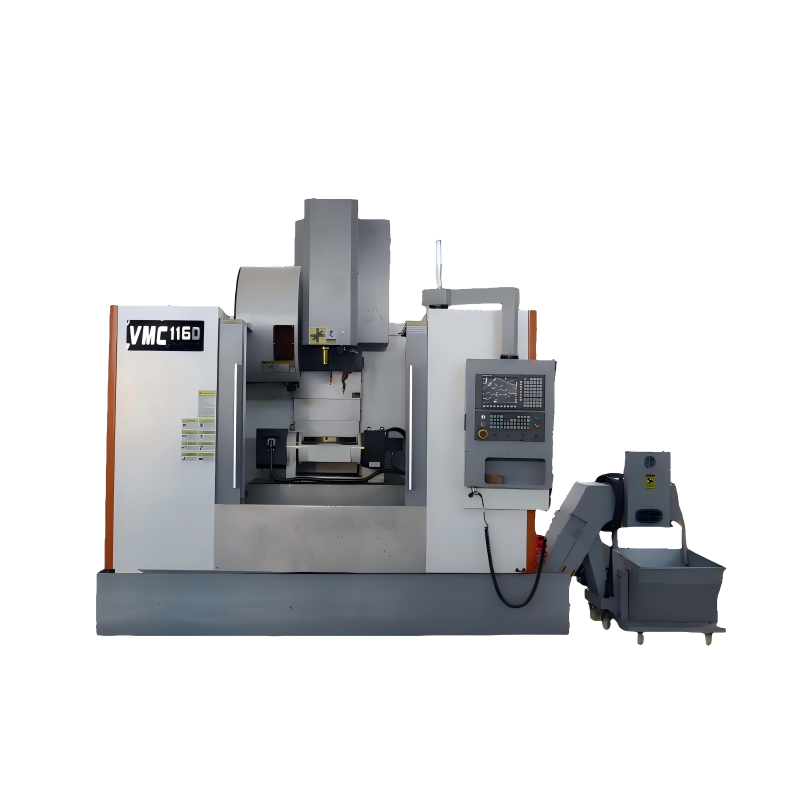
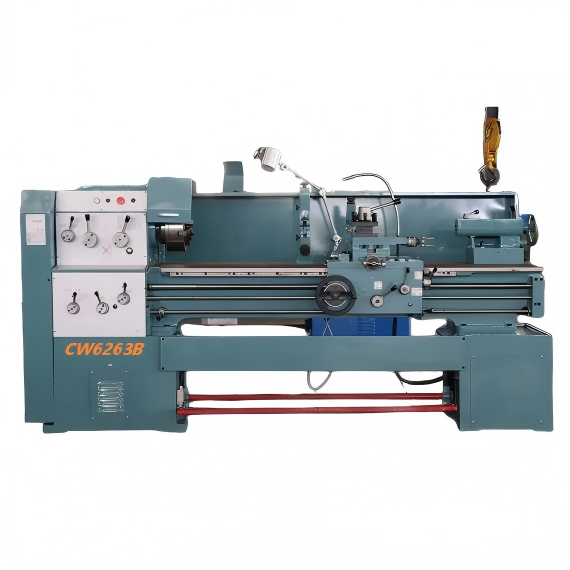
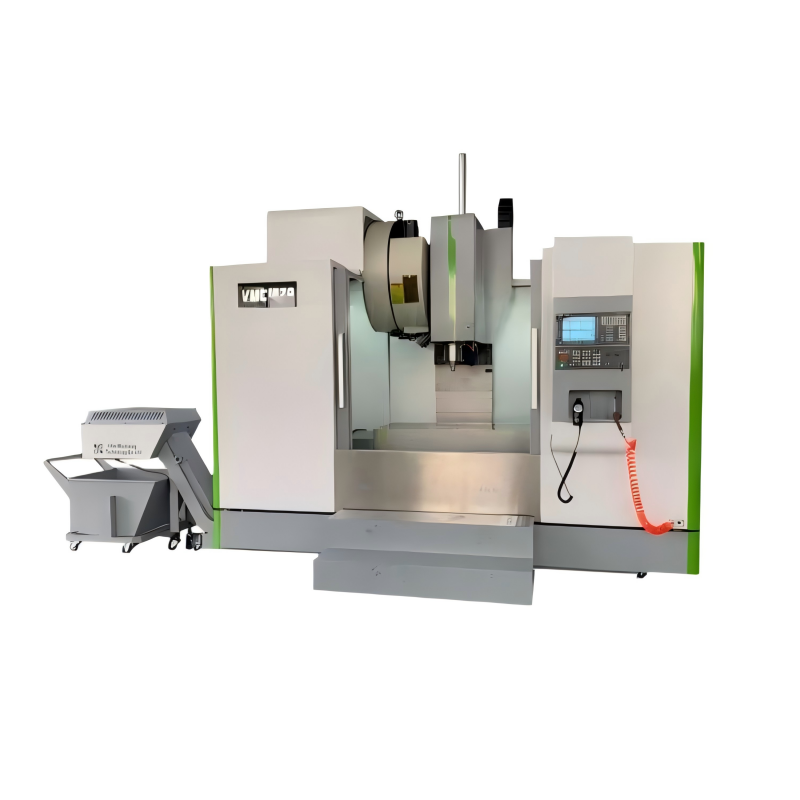
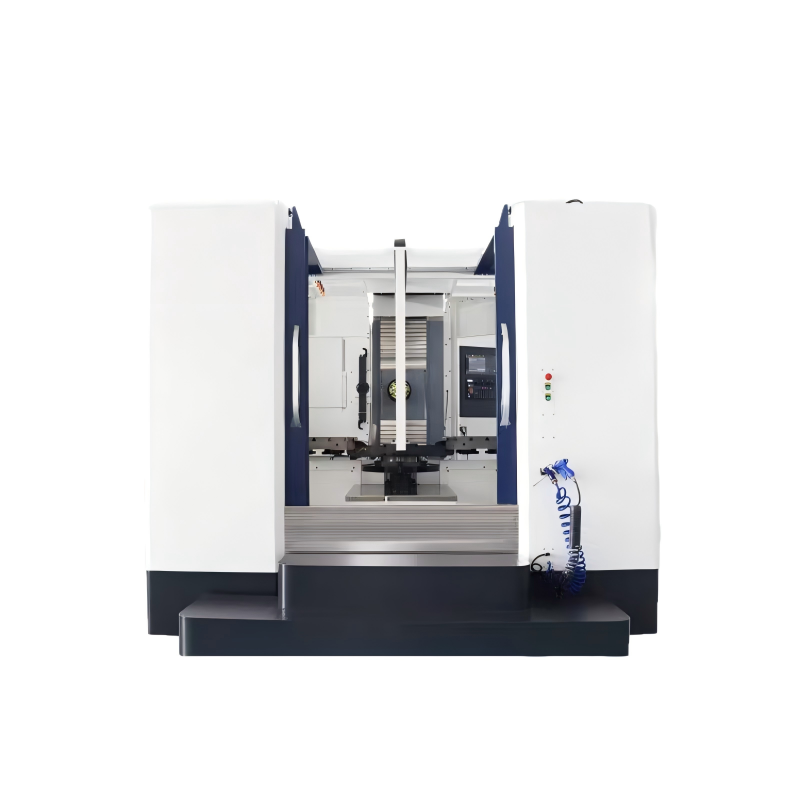
Choosing the right Floor type horizontal Machining Center is a critical decision for any manufacturing operation. This comprehensive guide aims to provide you with all the necessary information and considerations to make an informed choice, ensuring that your investment meets both current and future production needs.
A Floor type horizontal machining center (HMC) is a versatile machine tool designed for high-precision and high-efficiency machining operations. Unlike Vertical Machining Centers, HMCs have a horizontal spindle orientation, which allows for better chip evacuation and more efficient cutting processes. These machines are typically used in industries such as automotive, aerospace, and general engineering, where complex and large parts require precise machining.
Key features of a floor type HMC include:
Understanding these basics will help you appreciate the unique advantages of floor type HMCs and how they can benefit your specific manufacturing requirements.
Before selecting a floor type horizontal machining center, it is essential to evaluate your production needs and requirements. This involves several key considerations:
By thoroughly evaluating these factors, you can narrow down your options and select a floor type HMC that aligns with your production goals and operational requirements.
When comparing different floor type horizontal machining centers, it is crucial to examine their technical specifications and performance metrics. Key areas to focus on include:
By carefully analyzing these technical specifications and performance metrics, you can ensure that the floor type HMC you choose meets your exacting standards and delivers the desired results.
While the initial purchase price is a significant factor, it is equally important to consider the total cost of ownership (TCO) when selecting a floor type horizontal machining center. TCO includes not only the purchase price but also ongoing costs such as maintenance, energy consumption, and operator training. Here are some key cost considerations:
By considering these cost factors, you can make a more informed decision and choose a floor type HMC that provides the best value for your investment over its entire lifecycle.
Selecting the right floor type horizontal machining center is a multifaceted process that requires careful consideration of your production needs, technical specifications, and cost factors. By understanding the basics of floor type HMCs, evaluating your production requirements, examining technical specifications and performance metrics, and considering the total cost of ownership, you can make a well-informed decision that will enhance your manufacturing capabilities and drive long-term success.
Investing in the right floor type HMC is a strategic decision that can significantly impact your production efficiency, part quality, and overall competitiveness. With the information provided in this guide, you are well-equipped to make the best choice for your specific needs and achieve your manufacturing goals.
 17/06/2026
In the ever-evolving landscape of industrial manufacturing, the adoption of advanced technologies plays a crucial role in enhancing productivity, precision, and efficiency. One such technology that has gained significant traction is the floor type horizon
Read More17/06/2026Integrating a floor type horizontal machining center into your production line can significantly enhance operational efficiency, product quality, and overall manufacturing capabilities. These machines are designed to handle complex and large-scale parts w
Read More17/06/2026A floor type horizontal machining center is a critical piece of equipment in many manufacturing environments, capable of performing complex and precise machining operations. To ensure its optimal performance and longevity, it's essential to follow a rigor
Read More17/06/2026Horizontal machining centers, especially those designed in a floor type configuration, have become indispensable tools within the heavy industries. These machines are not only capable of handling large workpieces but also offer unparalleled precision and
Read More17/06/2026Understanding the Floor Type Horizontal Machining CenterA Floor type horizontal machining center is a critical piece of equipment in modern manufacturing, designed to perform a wide range of operations with high precision and efficiency. These machines ar
Read More17/06/2026In the evolving landscape of manufacturing, the floor type horizontal machining center stands out as a pivotal piece of equipment. This advanced technology is not just an improvement over its predecessors; it represents a leap forward in precision, effici
Read More17/06/2026In the ever-evolving landscape of manufacturing, the introduction and continuous improvement of floor type horizontal machining centers have marked a significant turning point. These advanced machines are not just tools; they represent a paradigm shift in
Read More17/06/2026Floor type horizontal machining centers are a cornerstone of modern manufacturing, providing the precision and flexibility required for a wide range of applications. This report explores the efficiency of these machines, delving into their design, operati
Read More17/06/2026In the rapidly evolving landscape of manufacturing, floor type horizontal machining centers (FHMCs) have established themselves as indispensable tools for precision and efficiency. The year 2023 brings a wave of innovations that are set to redefine the ca
Read More17/06/2026Enhancing Production Efficiency with a Floor Type Horizontal Machining CenterThe adoption of advanced manufacturing technologies is crucial for businesses aiming to stay competitive in today's fast-paced industrial landscape. A floor type horizontal machi
Read More17/06/2026When it comes to precision engineering and manufacturing, the choice of a Floor type horizontal machining center is critical. This type of machine tool plays an essential role in the production process, offering versatility, accuracy, and efficiency. Howe
Read More17/06/2026In the contemporary industrial landscape, the floor type horizontal machining center has emerged as a pivotal piece of equipment, significantly enhancing the efficiency and precision of manufacturing processes. This report delves into the multifaceted rol
Read More17/06/2026The floor type horizontal machining center represents a significant advancement in the realm of industrial manufacturing, offering unparalleled precision and efficiency. This report delves into how these machines can enhance productivity, focusing on key
Read More17/06/2026IntroductionIn the domain of high-precision manufacturing, the floor type horizontal machining center has emerged as a critical tool for achieving unparalleled accuracy and efficiency. This article delves into the intricacies of this advanced machinery, e
Read MoreOur professional sales team is always ready to assist you.