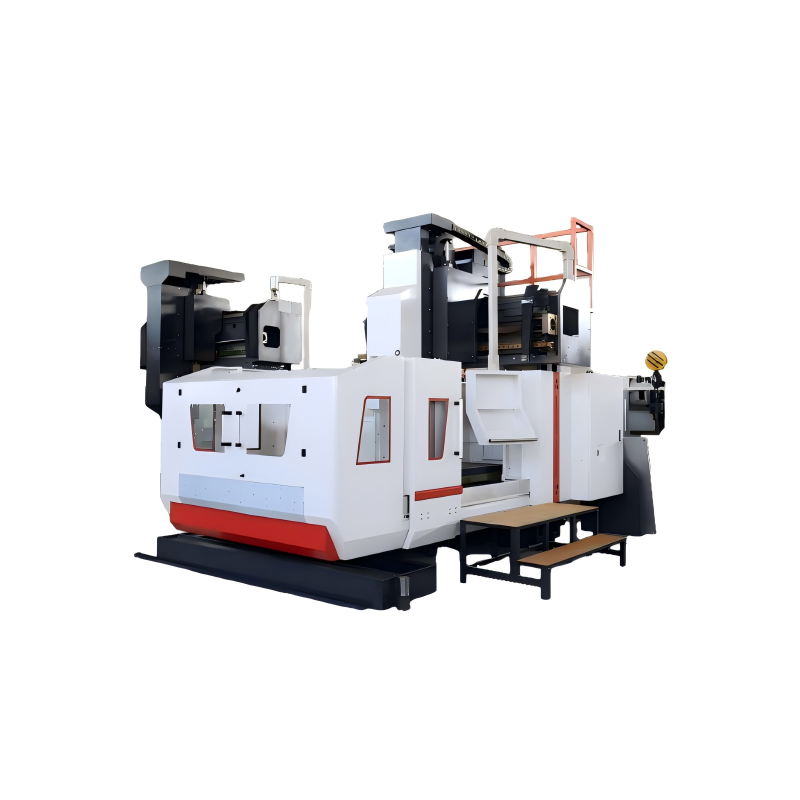
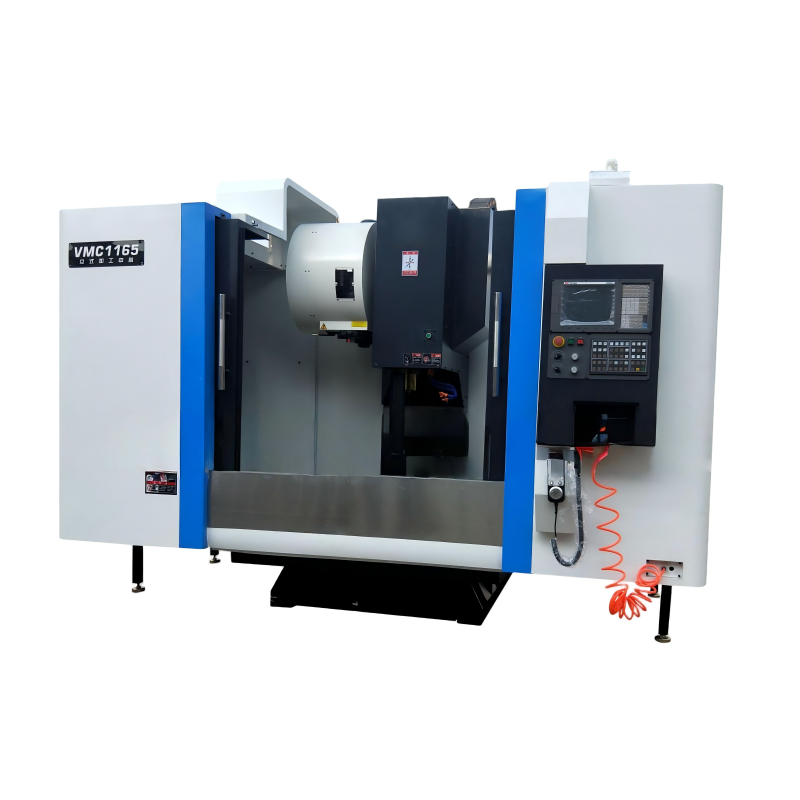
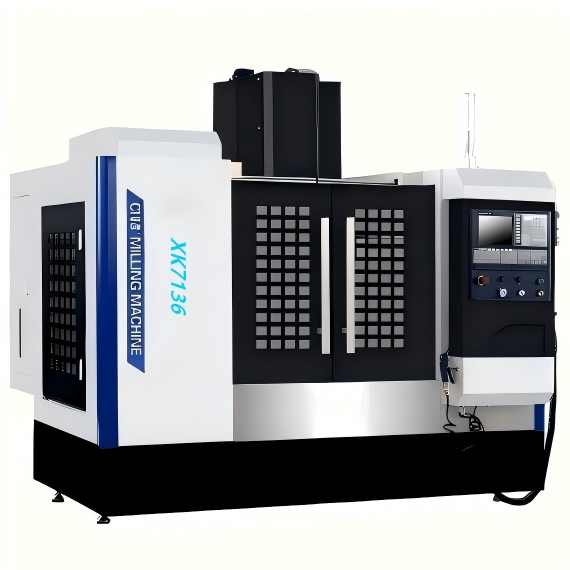
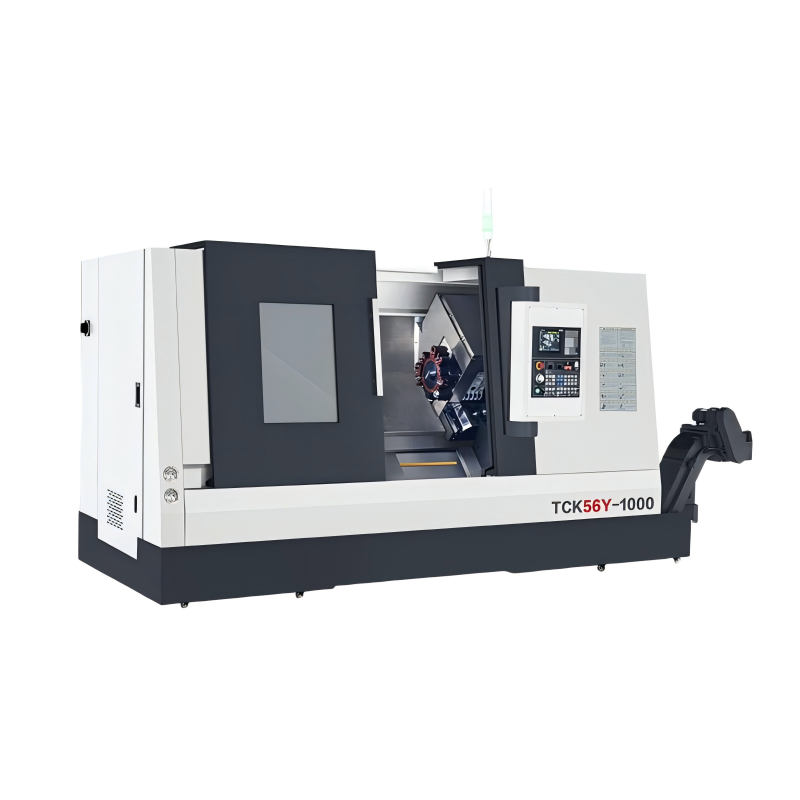
When it comes to selecting the right VMC (Vertical Machining Center) manufacturer for your specific needs, a comprehensive and well-informed approach is crucial. This guide aims to provide you with an in-depth analysis of the key factors to consider, ensuring that your investment not only meets but exceeds your operational requirements. Whether you are looking to enhance production efficiency, improve product quality, or simply upgrade your existing machinery, this technical report will serve as a valuable resource.
The first step in choosing the right VMC Manufacturer is to clearly define and understand your specific needs. This involves a thorough assessment of your current manufacturing processes, the types of materials you work with, and the desired outcomes. For instance, if your primary focus is on high-precision machining, you may need a VMC with advanced features such as high-resolution encoders and thermal compensation systems. Conversely, if your priority is high-volume production, then a VMC with robust construction and fast tool change capabilities might be more suitable.
Additionally, consider the size and complexity of the parts you will be machining. Some VMCs are designed for small, intricate components, while others are better suited for larger, more robust parts. Understanding these requirements will help you narrow down the list of potential manufacturers and models that can meet your needs effectively.
Once you have a clear understanding of your needs, the next step is to evaluate the technical capabilities and features offered by different VMC manufacturers. Key aspects to consider include:
By carefully evaluating these technical capabilities, you can ensure that the VMC you choose is well-equipped to handle your specific machining tasks and deliver the desired results.
Reliability and after-sales support are equally important factors to consider when selecting a VMC manufacturer. A reliable VMC should have a proven track record of durability and minimal downtime. Look for manufacturers that use high-quality components and have rigorous quality control processes in place. Additionally, check for any certifications or industry standards that the manufacturer adheres to, as these can be indicators of their commitment to quality.
After-sales support is also crucial, especially for complex machinery like VMCs. Ensure that the manufacturer offers comprehensive training, technical support, and maintenance services. Access to spare parts and quick response times for repairs can minimize downtime and keep your operations running smoothly. Consider reaching out to other customers or reading reviews to get a sense of the manufacturer's reputation for customer service and support.
While the initial cost of a VMC is an important consideration, it is equally important to conduct a thorough cost analysis that includes long-term value. Factors such as energy efficiency, maintenance costs, and the overall lifecycle cost of the machine should be taken into account. Energy-efficient VMCs can lead to significant savings over time, and machines that require less frequent maintenance can reduce operational costs.
Additionally, consider the return on investment (ROI) and the potential for increased productivity and quality. A VMC that can handle a wide range of tasks and materials may offer greater flexibility and long-term value compared to a more specialized machine. By balancing the initial investment with the long-term benefits, you can make a more informed decision that aligns with your financial and operational goals.
Selecting the right VMC manufacturer is a critical decision that can significantly impact the success of your manufacturing operations. By thoroughly understanding your specific needs, evaluating the technical capabilities and features of the VMC, assessing reliability and after-sales support, and conducting a comprehensive cost analysis, you can make an informed choice that will benefit your business in the long run. Remember to take a holistic approach and consider all relevant factors to ensure that the VMC you choose is the best fit for your unique requirements.
 25/06/2026
As the manufacturing sector continues to evolve, VMC (Vertical Machining Center) manufacturers are at the forefront of innovation, driving new trends and technologies that shape the future of machining. In this report, we will explore the latest advanceme
Read More25/06/2026VMC Manufacturer has established itself as a leader in the manufacturing of vertical machining centers, providing innovative solutions to companies across the globe. Through this report, we delve into several case studies that highlight VMC Manufacturer's
Read More25/06/2026As the manufacturing landscape continues to evolve, VMC (Vertical Machining Center) manufacturers are increasingly looking for innovative strategies to enhance productivity and efficiency. These advancements not only aim at improving the quality of the pr
Read More24/06/2026In the rapidly evolving landscape of manufacturing, companies are constantly seeking innovative solutions to stay ahead of the curve. One such company that has been making waves in this domain is VMC Manufacturer. By integrating cutting-edge technologies
Read More24/06/2026In the rapidly evolving landscape of manufacturing, VMC (Vertical Machining Center) technology stands at the forefront, driving innovation and efficiency. This report delves into the future of VMC manufacturing, exploring key trends, technological advance
Read More24/06/2026The manufacturing sector has been undergoing a significant transformation, driven by rapid technological advancements. This report focuses specifically on the impact of these advancements on VMC (Vertical Machining Center) Manufacturer operations. Through
Read More24/06/2026In an era where sustainability is no longer a choice but a necessity, VMC Manufacturer, among other industry players, is actively embracing sustainable manufacturing practices. This shift towards greener operations not only aligns with global environmenta
Read More23/06/2026In the rapidly evolving landscape of manufacturing, VMC Manufacturer has emerged as a leader in innovation, pushing boundaries and setting new standards for efficiency, sustainability, and technological integration. This report delves into the key advance
Read More23/06/2026When it comes to selecting a VMC (Vertical Machining Center) manufacturer, the decision can significantly impact the efficiency and quality of your machining operations. A VMC is a versatile machine used in various industries for precision machining tasks
Read More23/06/2026The Evolution of VMC Technology and Its Impact on ManufacturingIn the dynamic landscape of modern manufacturing, the role of a VMC (Vertical Machining Center) Manufacturer has become increasingly significant. This section delves into how advancements in V
Read More23/06/2026In the rapidly evolving landscape of manufacturing, VMC Manufacturer has once again demonstrated its commitment to innovation and excellence. The year 2023 marks a significant milestone for the company, as it introduces several groundbreaking advancements
Read MoreOur professional sales team is always ready to assist you.