Introduction
The Turret Type VMC, or Vertical Machining Center, is a versatile and powerful tool in the realm of CNC (Computer Numerical Control) machining. This guide aims to provide beginners with a comprehensive understanding of the turret type VMC, from its basic components to advanced applications. Whether you're an aspiring machinist, an engineering student, or simply someone interested in the mechanics of modern manufacturing, this document will serve as your go-to resource for everything related to turret type VMCs.
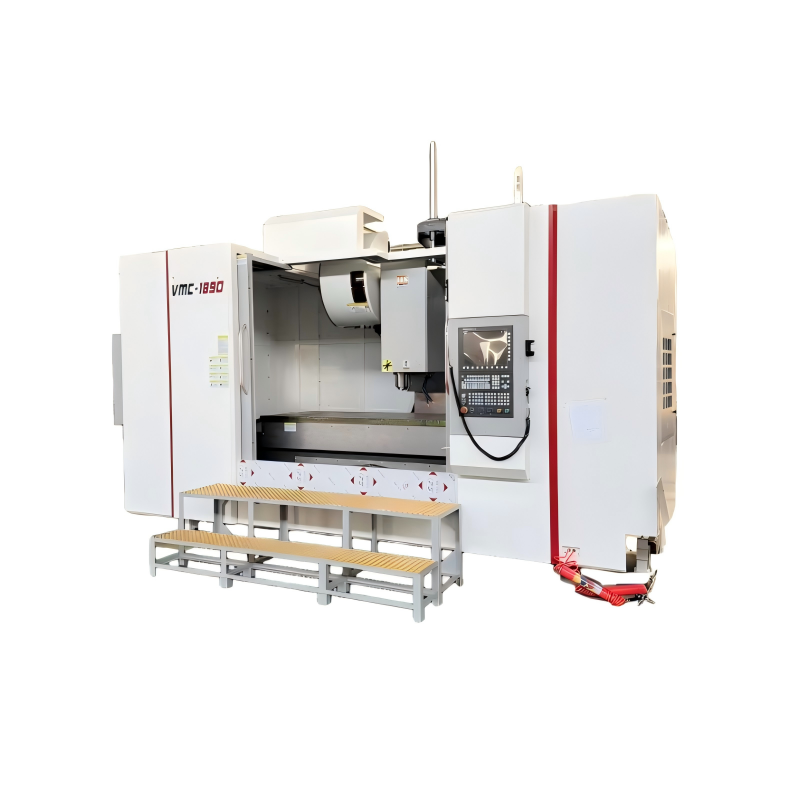
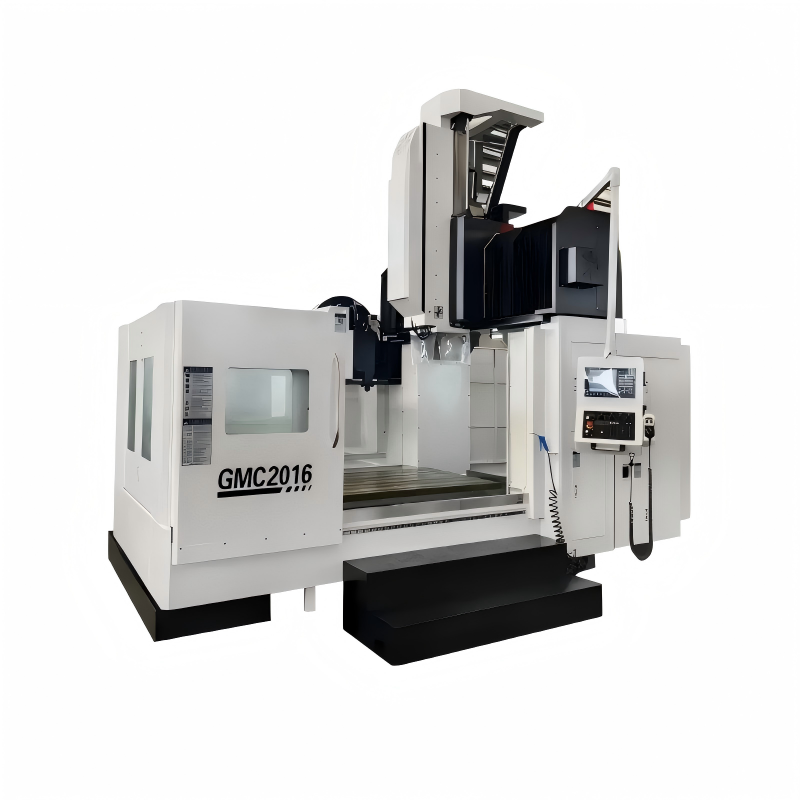
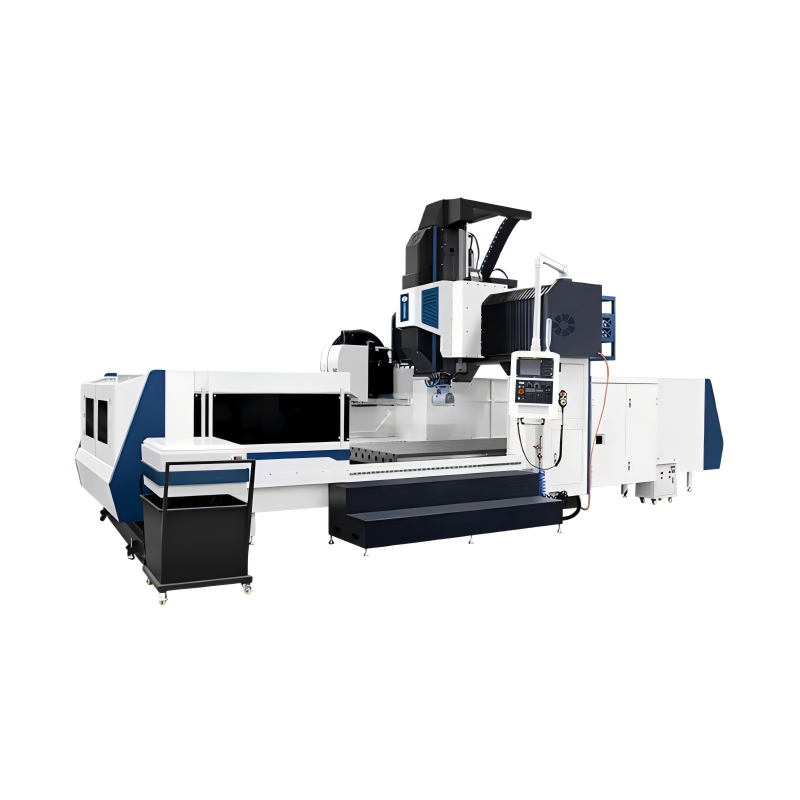
A turret type VMC is a specific configuration of a Vertical Machining Center, characterized by its unique turret mechanism. Unlike traditional VMCs that use tool changers, the turret type VMC features a rotating turret head that houses multiple tools. This design allows for rapid tool changes and increased efficiency in multi-operation machining tasks. The turret typically contains 6 to 12 tool stations, each capable of holding a different cutting tool. This setup is particularly advantageous in high-volume production environments where minimizing downtime is crucial.
The core components of a turret type VMC include:
Understanding these components and how they interact is essential for anyone looking to operate or maintain a turret type VMC effectively.
The turret type VMC offers several advantages that make it a preferred choice in many manufacturing scenarios. One of the primary benefits is the rapid tool change capability, which significantly reduces the non-cutting time during machining operations. This feature is particularly useful in industries where high throughput and minimal downtime are critical, such as automotive and aerospace manufacturing.
Another advantage is the versatility of the turret type VMC. The ability to house multiple tools in a single turret means that a wide range of operations can be performed without the need for frequent tool changes. This not only saves time but also reduces the risk of errors associated with manual tool changes. Additionally, the compact design of the turret type VMC makes it suitable for small to medium-sized production runs, where space and cost are important considerations.
Furthermore, the precision and accuracy of the turret type VMC are unparalleled. The rigid structure and high-quality components ensure that the machine can achieve tight tolerances consistently. This is crucial in industries where precision is paramount, such as medical device manufacturing and electronics.
To maximize the performance and longevity of a turret type VMC, several operational considerations and best practices should be followed. First and foremost, regular maintenance is essential. This includes cleaning the machine, lubricating moving parts, and inspecting the turret and spindle for any signs of wear or damage. A well-maintained machine will not only perform better but also have a longer service life.
Proper tool selection and management are also critical. The tools used in the turret must be carefully chosen based on the material being machined and the desired finish. High-quality, properly sharpened tools will produce better results and last longer. It is also important to regularly check the tool holders and ensure they are securely fastened to the turret to prevent any accidents or tool failures during operation.
Additionally, programming and setup play a significant role in the overall efficiency of the turret type VMC. Effective use of the CNC controller and G-code can optimize the machining process, reduce cycle times, and minimize errors. It is advisable to invest in training and resources to ensure that operators are proficient in using the machine's software and controls. This will not only improve productivity but also enhance the quality of the final products.
While the turret type VMC is already a highly capable and versatile machine, advancements in technology continue to push its boundaries. One of the emerging trends is the integration of automation and robotics into the machining process. Automated systems can handle part loading and unloading, as well as tool changes, further reducing the need for human intervention and increasing overall efficiency.
Another area of development is the use of advanced materials and coatings for cutting tools. New materials, such as ceramic and polycrystalline diamond (PCD), offer superior hardness and wear resistance, allowing for faster cutting speeds and longer tool life. These materials, when combined with the precision and speed of the turret type VMC, can result in significant improvements in machining performance.
Finally, the advent of Industry 4.0 and the Internet of Things (IoT) is transforming the way turret type VMCs are used and managed. Smart machines equipped with sensors and data analytics capabilities can monitor their own performance, predict maintenance needs, and optimize operations in real-time. This level of connectivity and intelligence is paving the way for more efficient, flexible, and sustainable manufacturing processes.
The turret type VMC is a powerful and versatile tool in the world of CNC machining. Its unique design, rapid tool change capability, and high precision make it an invaluable asset in various manufacturing industries. By understanding its components, advantages, and best practices, beginners can harness the full potential of this machine. As technology continues to evolve, the turret type VMC will remain a key player in the future of manufacturing, driving innovation and efficiency in the years to come.
 24/06/2026
In the realm of modern manufacturing, the adoption of advanced machinery is crucial for enhancing productivity, precision, and overall efficiency. One such machine that has gained significant traction in recent years is the Turret Type VMC (Vertical Machi
Read More24/06/2026The manufacturing industry is continuously evolving, with new technologies and innovations being introduced to improve efficiency, accuracy, and productivity. One such area of development is the turret type VMC (Vertical Machining Center), which has seen
Read More24/06/2026The advent of turret type VMC (Vertical Machining Center) has significantly transformed the landscape of CNC operations, introducing a new era of efficiency and productivity. By integrating advanced features with traditional machining techniques, this tec
Read More23/06/2026The evolution of manufacturing technology has seen significant advancements, with turret type VMC (Vertical Machining Center) emerging as a pivotal player in precision machining. This report delves into the intricacies of turret type VMCs, exploring their
Read More23/06/2026The advancement of manufacturing technology has been a continuous process, with each generation building upon the innovations of the last. One such innovation that has significantly impacted the industry is the Turret Type VMC (Vertical Machining Center).
Read More23/06/2026In the realm of precision engineering, the selection and application of appropriate machinery play a critical role in achieving high accuracy and efficiency. One such machine that has gained significant attention for its versatility and precision is the T
Read More23/06/2026In the rapidly evolving world of manufacturing, the Turret Type VMC (Vertical Machining Center) has emerged as a versatile and efficient solution for modern machining needs. This type of machine combines the precision and flexibility required in today’s c
Read MoreOur professional sales team is always ready to assist you.