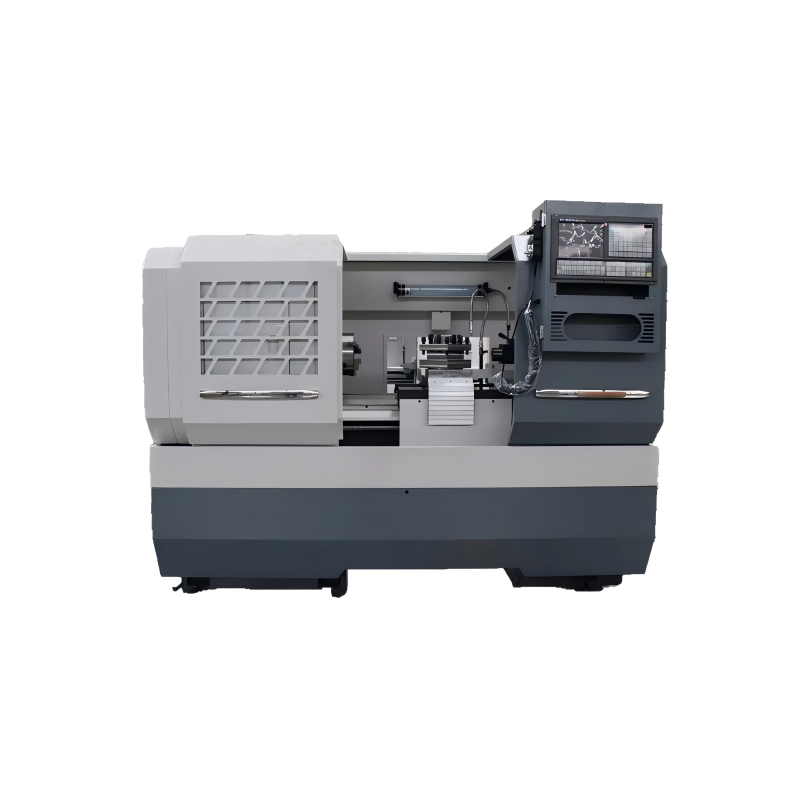
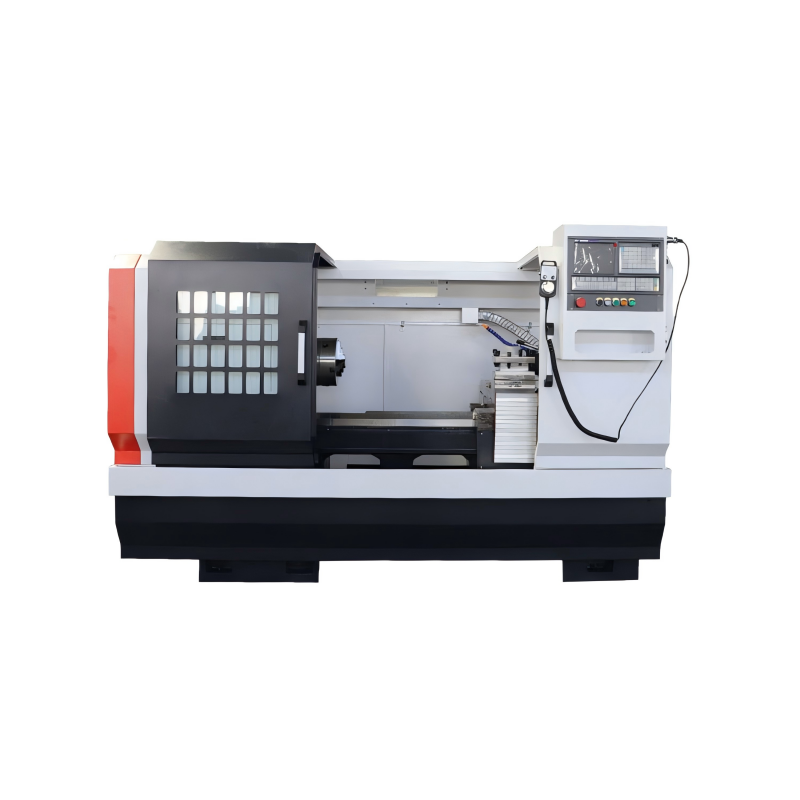
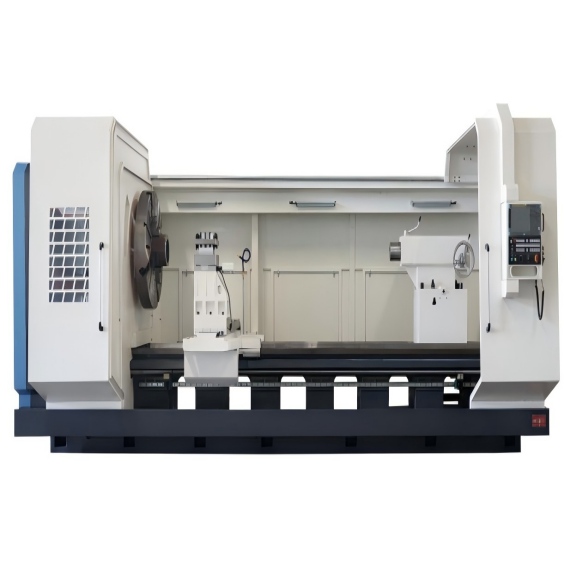
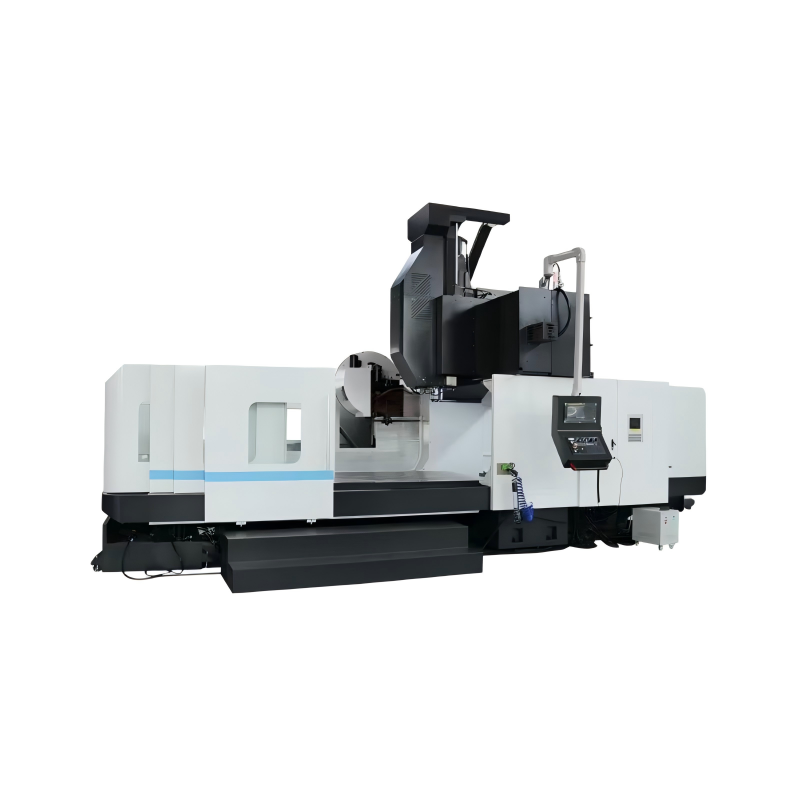
In the realm of precision manufacturing, achieving high accuracy is paramount. A fully automatic horizontal CNC lathe plays a crucial role in ensuring that parts are machined to exact specifications, thereby enhancing the overall quality and performance of the final product. This report delves into the capabilities and benefits of using a high-precision Flat Bed CNC Lathe, exploring how it can be leveraged to achieve unparalleled accuracy.
Understanding the Mechanics of a Fully Automatic Horizontal CNC Lathe
A Fully automatic horizontal CNC lathe is designed to perform a wide range of machining operations with minimal human intervention. The machine's ability to operate autonomously is a result of its advanced control systems, which include computer numerical control (CNC) software. This software allows for precise and repeatable machining processes, ensuring that each part is manufactured to the same high standards. The horizontal orientation of the lathe is particularly advantageous for handling large or heavy workpieces, as it provides better support and stability during the machining process.
The Role of High-Precision Flat Bed Design in Enhancing Accuracy
The flat bed design of a CNC lathe is a key factor in achieving high accuracy. Unlike Slant Bed Lathes, which have an inclined bed, flat bed lathes provide a more stable and rigid platform for the workpiece. This stability is crucial for maintaining the precision of the machining process, especially when dealing with complex geometries or tight tolerances. The flat bed also allows for easier access to the work area, making it simpler to load and unload parts, and to perform maintenance and adjustments. The combination of a flat bed and a fully automatic horizontal CNC lathe creates a powerful tool for manufacturers who require high-precision machining.
Advantages of Using a Fully Automatic Horizontal CNC Lathe for High-Accuracy Machining
One of the primary advantages of using a fully automatic horizontal CNC lathe is the significant reduction in human error. The automation of the machining process ensures that each operation is performed consistently, eliminating the variability that can occur with manual operations. Additionally, the CNC software allows for the creation of detailed and complex machining programs, which can be easily modified and optimized for different parts and materials. This flexibility is particularly valuable in industries where frequent design changes and rapid prototyping are common.
Another advantage is the increased productivity that comes with fully automated machining. The machine can operate continuously without the need for constant supervision, allowing for higher throughput and reduced downtime. This is especially beneficial for high-volume production runs, where the efficiency and speed of the machining process can directly impact the overall cost and profitability of the manufacturing operation.
Furthermore, the use of a fully automatic horizontal CNC lathe can lead to improved surface finish and dimensional accuracy. The precision and repeatability of the machine ensure that each part is machined to the exact specifications, resulting in a higher-quality finished product. This is particularly important in industries such as aerospace, automotive, and medical, where even the slightest deviation from the specified dimensions can have significant consequences.
Implementing Best Practices for Optimal Performance
To fully leverage the capabilities of a fully automatic horizontal CNC lathe, it is essential to implement best practices in both the setup and operation of the machine. One of the most critical aspects is the proper calibration and maintenance of the lathe. Regular calibration ensures that the machine remains within the required tolerances, while routine maintenance helps to prevent wear and tear, extending the lifespan of the equipment.
Additionally, the use of high-quality cutting tools and materials is crucial for achieving optimal performance. The choice of cutting tools should be based on the specific requirements of the machining process, taking into account factors such as the material being machined, the desired surface finish, and the complexity of the part. Similarly, the selection of materials should be guided by the end-use application, ensuring that the parts meet the necessary strength, durability, and other performance criteria.
Finally, effective programming and optimization of the CNC software are essential for maximizing the efficiency and accuracy of the machining process. This involves creating detailed and well-structured machining programs, as well as continuously refining and optimizing these programs based on the results of the machining operations. By following these best practices, manufacturers can ensure that their fully automatic horizontal CNC lathe operates at peak performance, delivering the highest levels of accuracy and quality.
Conclusion
In conclusion, a fully automatic horizontal CNC lathe, with its high-precision flat bed design, offers numerous advantages for achieving high accuracy in machining operations. The combination of automation, stability, and precision makes it an indispensable tool for manufacturers who demand the highest standards of quality and performance. By implementing best practices and leveraging the full capabilities of the machine, manufacturers can enhance their productivity, reduce costs, and deliver superior products to their customers.