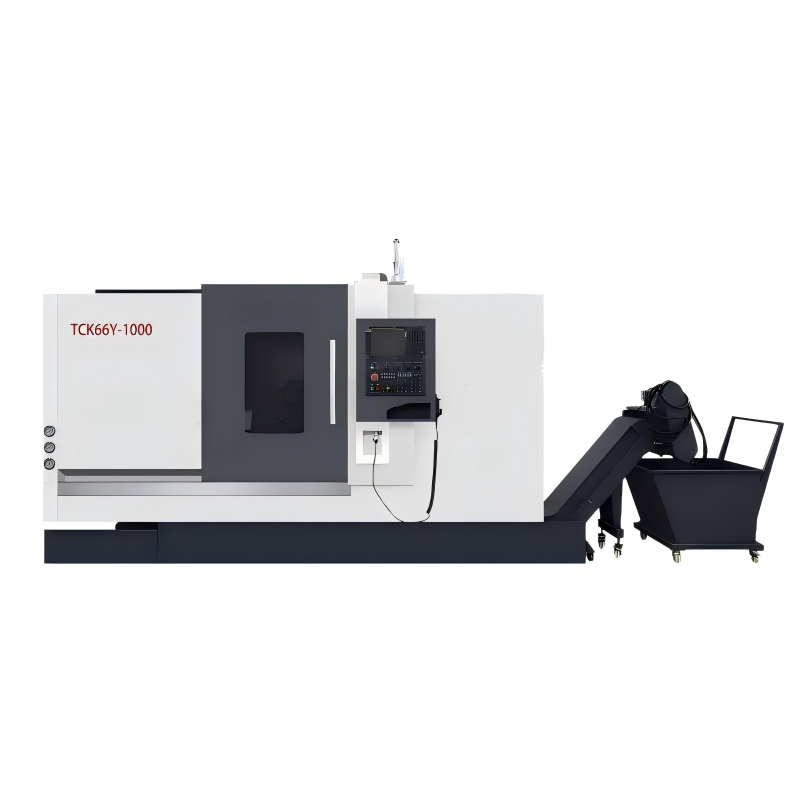
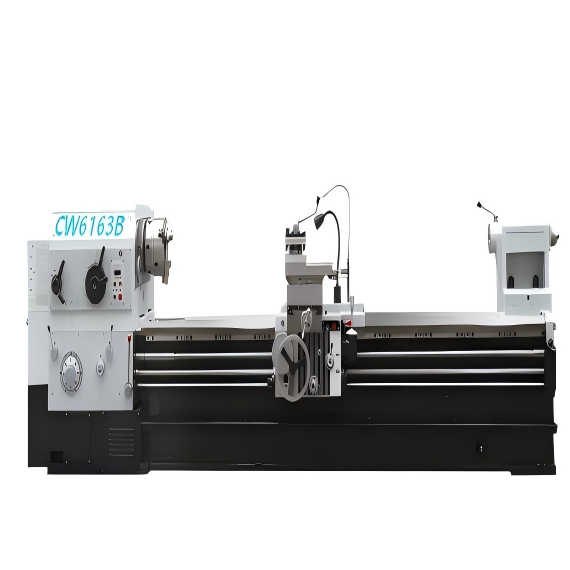
With the rapid advancement in manufacturing technology, businesses are increasingly turning towards CNC Machining Center solutions to enhance their production capabilities. Selecting the right CNC machining center is crucial for ensuring efficiency, precision, and cost-effectiveness. This technical report aims to guide businesses through the process of choosing the most suitable CNC machining center by considering several key factors.
The first step in selecting an appropriate CNC machining center is to thoroughly understand your business's specific production requirements. This involves evaluating the types of materials you will be working with, the complexity of the parts to be manufactured, and the desired level of precision. For instance, if your operations involve high-precision components for aerospace applications, then a CNC machining center capable of achieving tight tolerances would be essential. Conversely, for more general machining tasks, a standard model might suffice. It’s also important to consider the volume of production; higher volumes may necessitate a more robust and faster machine to meet demand efficiently.
Once your production needs are clearly defined, the next step is to evaluate the capabilities and features of various CNC machining centers. Key aspects to look at include:
Additionally, consider any special features such as coolant systems, chip management, and safety features that may be critical for your operations.
While the initial cost of a CNC machining center is a significant factor, it is equally important to consider the long-term return on investment (ROI). This includes not only the purchase price but also operating costs, maintenance, and potential revenue from increased productivity and quality. High-end CNC machining centers may come with a higher upfront cost, but they often provide better reliability, lower maintenance, and enhanced capabilities, which can lead to substantial savings over time.
It is also advisable to conduct a thorough cost-benefit analysis, factoring in the expected lifespan of the machine, warranty terms, and the availability of after-sales support. Some manufacturers offer comprehensive service packages that can help minimize downtime and ensure optimal performance throughout the machine's life cycle.
Another critical aspect to consider is how well the CNC machining center integrates with your existing manufacturing systems. Compatibility with current equipment, software, and processes can streamline operations and reduce the learning curve for operators. Additionally, think about the future scalability of your business. Will the chosen CNC machining center be able to adapt to potential growth or changes in your production needs? Machines with modular designs or expandable features can provide the flexibility needed to accommodate future expansion.
Furthermore, consider the availability of training and support from the manufacturer. A well-trained workforce is essential for maximizing the potential of the CNC machining center, and ongoing support can help address any issues that may arise during operation.
Selecting the right CNC machining center is a multifaceted decision that requires a thorough understanding of your production needs, an evaluation of the machine's capabilities and features, and a careful consideration of cost and ROI. By following the guidelines outlined in this report, businesses can make an informed choice that aligns with their current and future manufacturing goals. Ultimately, the right CNC machining center will not only enhance productivity and quality but also contribute to the overall success and competitiveness of the business.
 16/06/2026
When it comes to sourcing a reliable and efficient big bore CNC lathe, China has emerged as a global hub for manufacturing. The country's extensive network of manufacturers offers a wide range of options, but finding the best one can be a daunting task. T
Read More16/06/2026The advancements in manufacturing technologies, particularly those surrounding the CNC machining center, have been instrumental in revolutionizing how precision milling machine systems operate. These innovations not only enhance efficiency but also contri
Read More06/06/2026Optimizing Energy Consumption in CNC Machining CentersAdoption of Energy-Efficient ComponentsThe heart of any CNC machining center is its components, which significantly influence the overall energy consumption. By integrating high-efficiency motors, such
Read More05/06/2026IntroductionThe CNC (Computer Numerical Control) machining center is a critical piece of equipment in modern manufacturing, offering unparalleled precision and efficiency. However, with a wide range of options available, selecting the right CNC machining
Read More04/06/2026In the ever-evolving landscape of manufacturing, the role of CNC machining centers has become increasingly pivotal. These advanced machines are not only essential for precision and consistency but also for driving productivity in modern factories. This re
Read More03/06/2026Historical Development and Evolution of CNC Machining CentersThe journey of the CNC machining center from its initial concept to today's sophisticated machinery is a testament to human ingquity and technological progress. This section will explore how the
Read More02/06/2026The Evolution and Current State of CNC Machining Centers in Aerospace Since the advent of computer numerical control (CNC) machining centers, their role in the aerospace industry has evolved significantly. These machines have become an indispensable part
Read More01/06/2026Understanding the Importance of Regular Maintenance for CNC Machining Centers CNC machining centers are the backbone of many manufacturing processes, providing high precision and efficiency. However, to ensure that these machines continue to perform at th
Read More31/05/2026Enhanced Precision and Consistency in Automotive Parts Production In the ever-evolving landscape of automotive manufacturing, CNC machining centers have emerged as a transformative force. These advanced machines are not just tools; they represent a paradi
Read More30/05/2026In the realm of manufacturing, precision and efficiency are paramount. The advent of Computer Numerical Control (CNC) machining centers has revolutionized the way parts and components are produced. These advanced machines offer unparalleled accuracy, vers
Read More29/05/2026The rapid evolution of manufacturing technologies, particularly in the realm of Computer Numerical Control (CNC) machining centers, is fundamentally reshaping how industries operate. As we move deeper into the era of Industry 4.0, characterized by automat
Read MoreOur professional sales team is always ready to assist you.