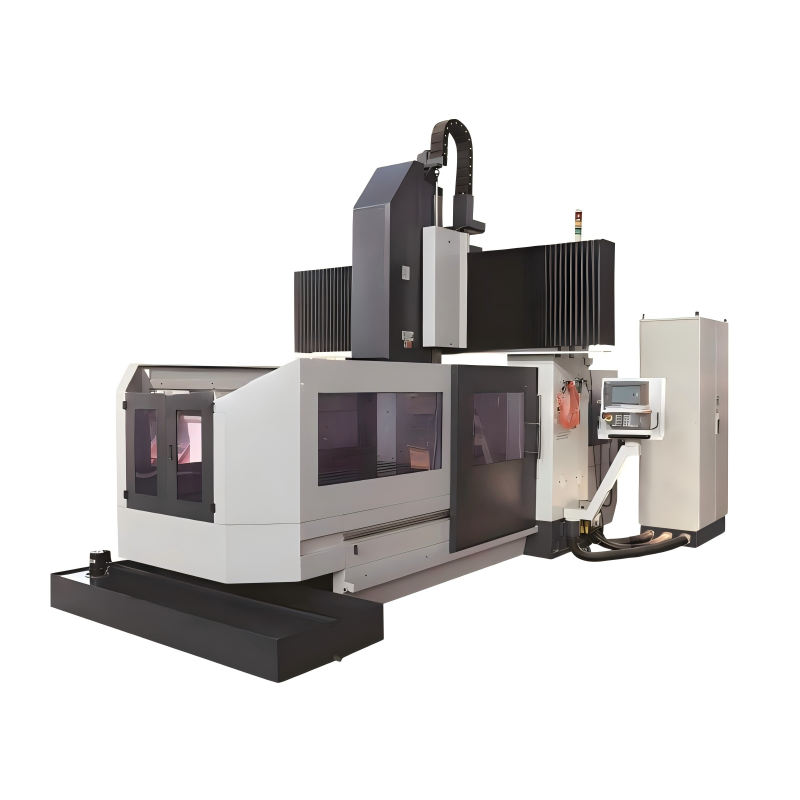
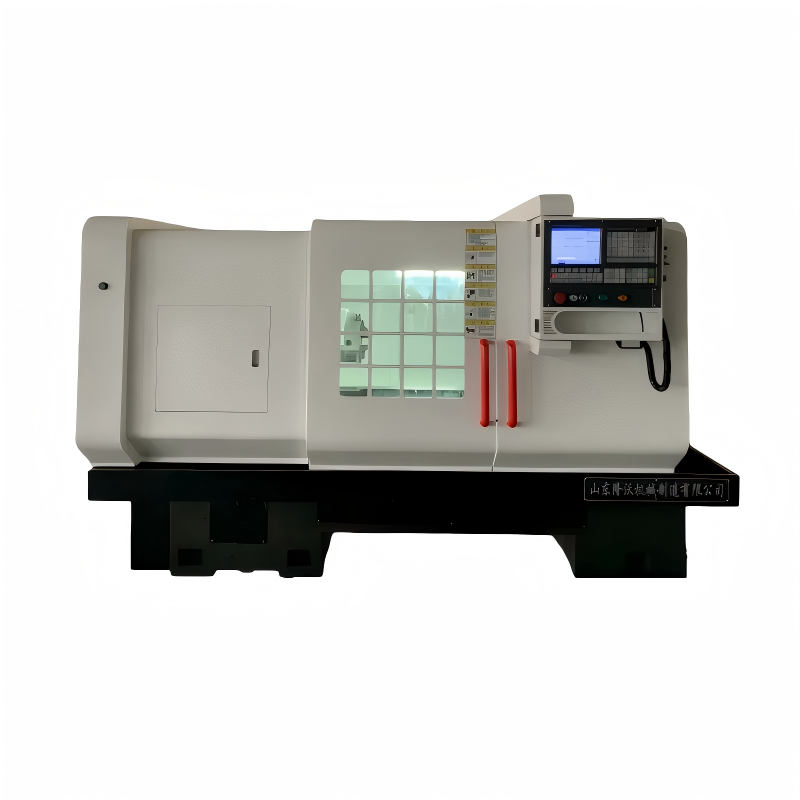
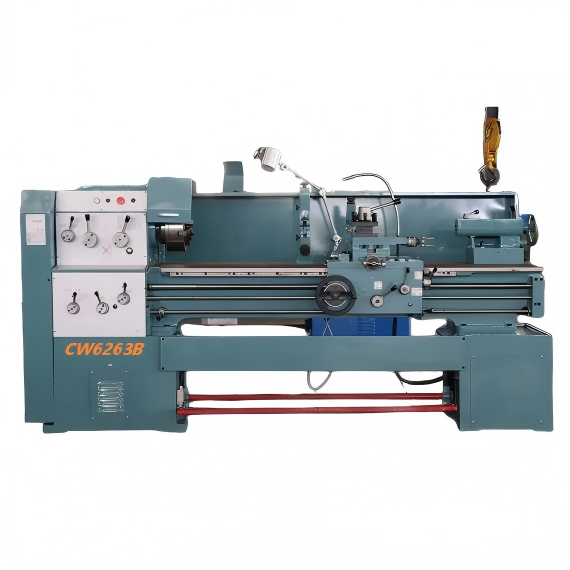
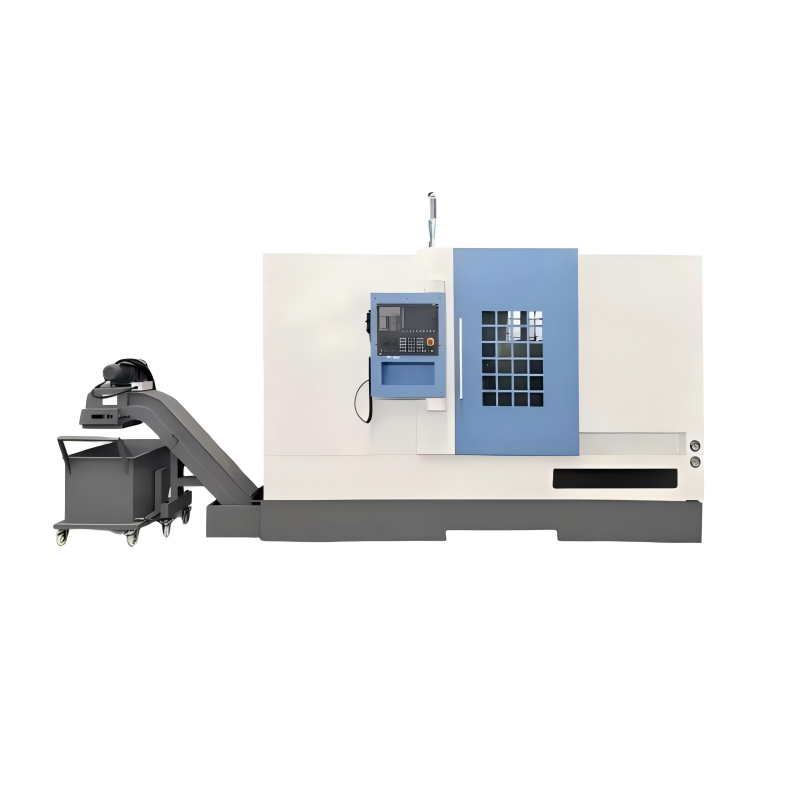
Choosing the right mini or small horizontal CNC lathe for your needs can be a challenging task, especially when considering the wide range of options available in the market. Whether you are looking to enhance your manufacturing capabilities or simply improve the efficiency of your existing operations, it is crucial to select a machine that aligns with your specific requirements. This technical report aims to guide you through the process, ensuring that you make an informed decision. Additionally, we will briefly touch upon the 5 axis CNC Machining Center, as its advanced capabilities often complement the functions of a CNC Lathe.
Before diving into the selection process, it is essential to understand the fundamental differences between mini and small horizontal CNC lathes. A mini CNC lathe is typically designed for smaller, more precise work, making it ideal for applications such as jewelry making, prototyping, and small-scale production. On the other hand, a small horizontal CNC lathe is more versatile and can handle a broader range of materials and part sizes, making it suitable for light to medium-duty industrial applications.
Both types of lathes share common features, such as computer numerical control (CNC) systems, which allow for precise and repeatable machining. However, their differences lie in their size, power, and the complexity of the tasks they can perform. For instance, a mini CNC lathe may have a smaller bed length and a lower spindle speed, while a small horizontal CNC lathe might offer a larger work envelope and higher horsepower.
To choose the right mini or small horizontal CNC lathe, you must first evaluate your specific needs and requirements. Start by identifying the type of work you will be performing. Are you primarily working with small, intricate parts, or do you need to machine larger components? Understanding the nature of your work will help you determine whether a mini or small horizontal CNC lathe is more appropriate.
Next, consider the materials you will be working with. Different materials require different cutting speeds and tooling, and some lathes are better suited for certain materials than others. For example, if you are working with hard metals like stainless steel or titanium, you may need a lathe with a higher spindle speed and more robust construction. Conversely, if you are working with softer materials like aluminum or plastic, a less powerful lathe may suffice.
Additionally, think about the volume of production. If you are producing parts in high volumes, a more robust and efficient lathe will be necessary. On the other hand, if you are working on low-volume, custom projects, a mini CNC lathe may be more cost-effective and practical.
Once you have a clear understanding of your needs, you can begin to evaluate the key features of the CNC lathes available on the market. Some of the most important features to consider include:
In many cases, a mini or small horizontal CNC lathe can be integrated with a 5 axis CNC machining center to create a more comprehensive and versatile manufacturing solution. A 5 axis CNC machining center offers the ability to machine complex geometries and perform multiple operations in a single setup, which can significantly increase productivity and reduce lead times.
When integrating a CNC lathe with a 5 axis CNC machining center, it is important to ensure compatibility between the two machines. This includes matching the control systems, tooling, and software. By doing so, you can streamline the workflow and achieve seamless integration, allowing for more efficient and accurate machining processes.
For example, a 5 axis CNC machining center can be used to perform roughing and finishing operations on a part, while the CNC lathe can be used for turning and facing. This combination allows for a more flexible and efficient manufacturing process, as each machine can be utilized for the tasks it performs best.
Choosing the right mini or small horizontal CNC lathe for your needs requires careful consideration of your specific requirements, as well as an evaluation of the key features and capabilities of the available machines. By understanding the differences between mini and small horizontal CNC lathes, and by considering factors such as spindle speed, tooling, control system, work envelope, and build quality, you can make an informed decision that will meet your manufacturing needs.
Furthermore, integrating a mini or small horizontal CNC lathe with a 5 axis CNC machining center can provide a more comprehensive and efficient manufacturing solution. By ensuring compatibility between the two machines, you can leverage the strengths of each to achieve higher productivity and precision in your operations.
Ultimately, the right choice of CNC lathe and 5 axis CNC machining center will depend on your specific application, budget, and long-term goals. By following the guidelines outlined in this report, you can make a well-informed decision that will enhance your manufacturing capabilities and drive your business forward.
 30/06/2026
The advent of 5 axis CNC machining center technology has revolutionized the manufacturing industry, enabling unprecedented precision and flexibility in the production process. This report delves into how a 5 axis CNC machining center can unlock potential
Read More30/06/2026In the ever-evolving world of manufacturing, precision and efficiency are paramount. The advent of 5 axis CNC machining centers has revolutionized the way we approach complex machining tasks. This report delves into the versatility of a turn-mill machinin
Read More30/06/2026In the rapidly evolving field of manufacturing, achieving superior accuracy has become a paramount requirement for many industries. The introduction and advancement of 5 axis CNC machining centers have significantly contributed to meeting these high stand
Read More30/06/2026In the rapidly evolving landscape of aerospace manufacturing, the demand for precision, efficiency, and innovation has never been higher. The advent of 5 axis CNC machining centers has revolutionized the way components are produced, enabling manufacturers
Read More30/06/2026In the ever-evolving landscape of precision manufacturing, the advent of 5 axis CNC Machining Centers has revolutionized the way we approach high-precision and complex machining tasks. This technical report delves into the future of precision machining, f
Read More30/06/2026In the realm of precision manufacturing, the 5 axis CNC Machining Center stands out as a revolutionary tool, offering unparalleled flexibility and efficiency. This advanced technology is not just an upgrade; it represents a paradigm shift in how complex p
Read More29/06/2026The advancement in manufacturing technology has led to the development of highly sophisticated machinery, such as the 5 axis CNC Machining Center. These machines are designed for precision and versatility, capable of handling a wide array of tasks with un
Read More29/06/2026In the realm of precision manufacturing, the advent of 5 axis CNC machining centers has revolutionized the way complex parts are produced. These advanced machines offer a level of flexibility and accuracy that was once considered unattainable. This report
Read More29/06/2026In the realm of precision engineering, advancements in CNC (Computer Numerical Control) technology have been pivotal. This report delves into the latest innovations in slant bed CNC lathe design, focusing on how these improvements enhance overall performa
Read More29/06/2026Despite the rapid advancements in manufacturing technologies, including the rise of 5 axis CNC Machining Centers, flat bed lathes continue to hold a significant place in industrial settings. This report delves into the reasons behind their enduring popula
Read More29/06/2026The advent of 5 axis CNC Machining Centers has revolutionized the manufacturing industry, offering unparalleled precision and flexibility in prototyping and production. This technology not only accelerates the development process but also enhances the qua
Read More28/06/2026In the rapidly evolving field of aerospace manufacturing, precision and efficiency are not just desired but required. The advent of 5 axis CNC machining centers has revolutionized the way complex parts and components are manufactured, providing unparallel
Read More27/06/2026In the realm of advanced manufacturing, the advent of 5 Axis CNC Machining Centers has revolutionized the way complex geometries are produced. These machines, equipped with the capability to move along five axes simultaneously, offer unparalleled precisio
Read More26/06/2026In the realm of precision engineering, the advent of 5 Axis CNC Machining Centers has marked a significant leap forward in manufacturing capabilities. These advanced machines offer unparalleled flexibility and accuracy, revolutionizing the way complex par
Read More25/06/2026In the rapidly evolving landscape of modern manufacturing, the advent of 5 axis CNC machining centers has revolutionized the way complex parts and components are produced. These advanced machines offer unparalleled precision, flexibility, and efficiency,
Read MoreOur professional sales team is always ready to assist you.