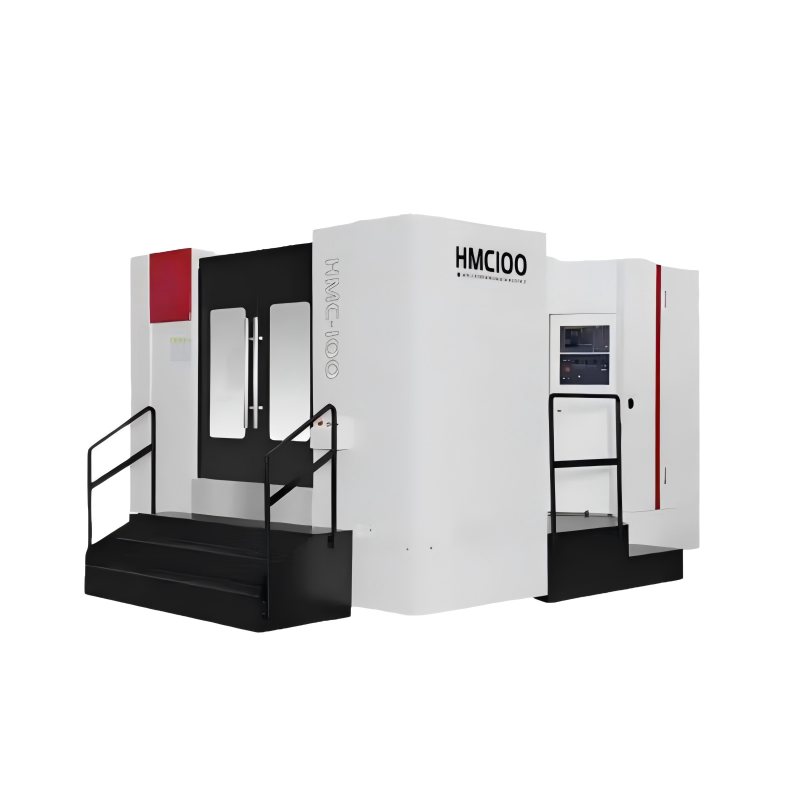
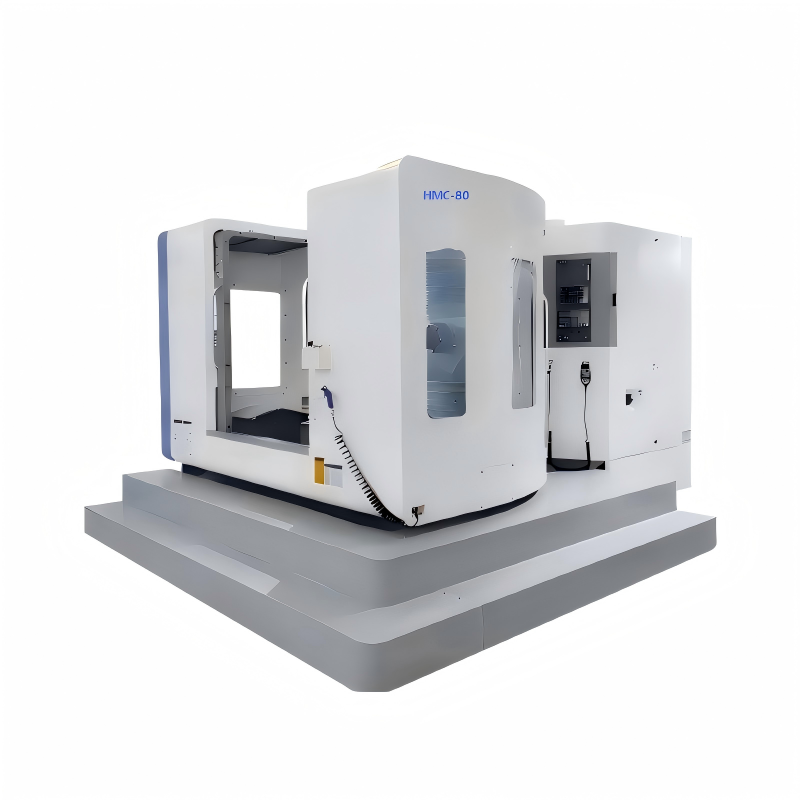
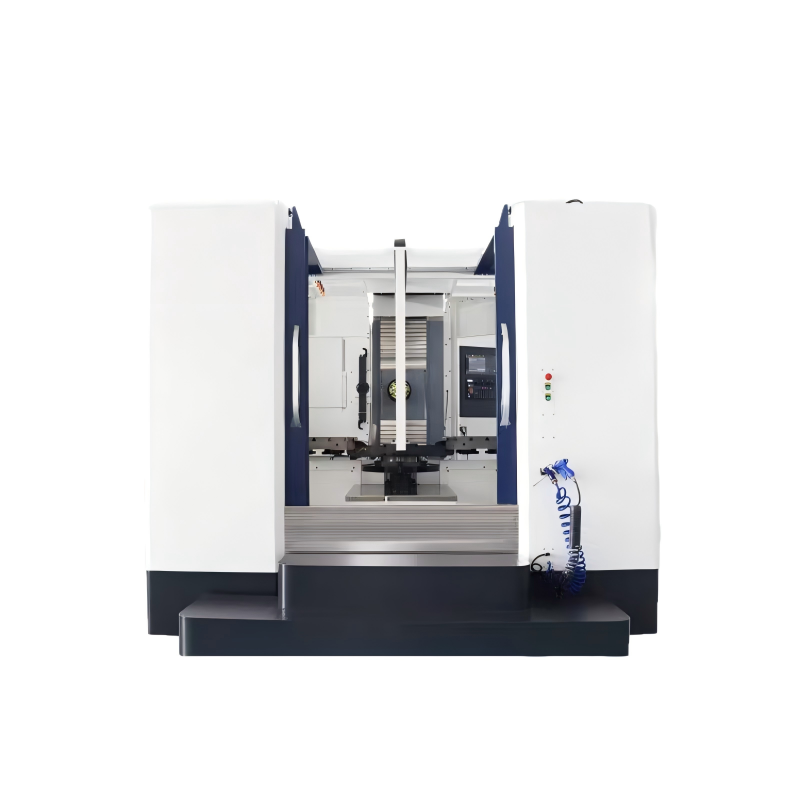
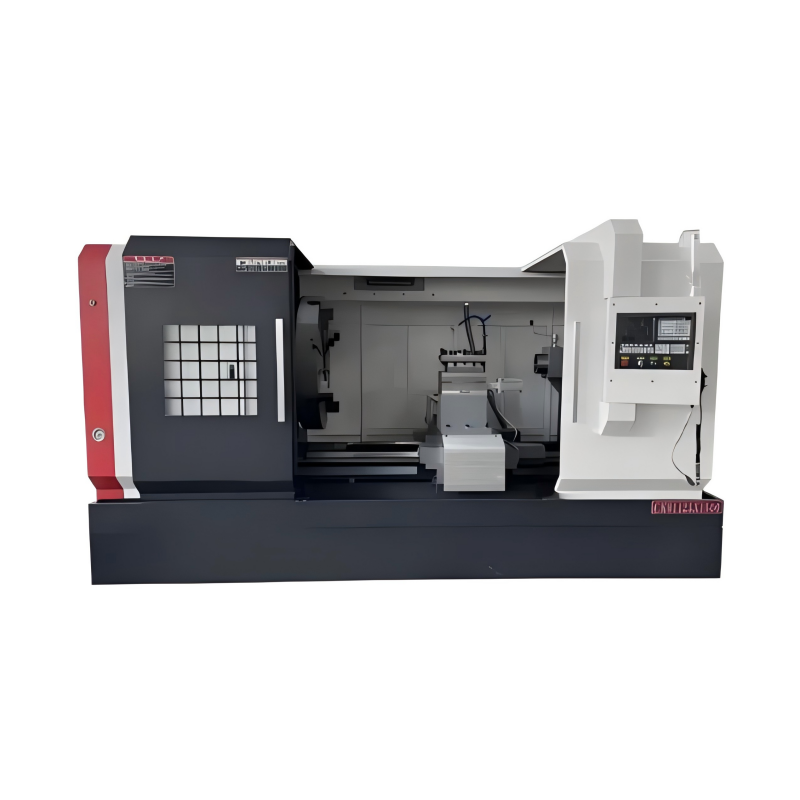
When it comes to selecting the right Horizontal Machining Center (HMC) for your specific manufacturing needs, several factors come into play. This decision can significantly impact productivity, part quality, and overall operational efficiency. In this technical report, we will explore key considerations that help in making an informed choice. We will discuss the importance of understanding your production requirements, evaluating machine capabilities, and considering long-term support and maintenance. By the end of this report, you will have a clearer picture of what to look for when choosing a Horizontal Machaining Center that best suits your operations.
The first step in selecting the appropriate HMC is to thoroughly understand the complexity and volume of the parts you need to produce. Complex parts with multiple features may require a machine with advanced capabilities such as multi-axis machining, high-speed spindles, and tool changers. Conversely, if your production involves simpler parts, a more basic HMC might suffice. Additionally, consider the volume of parts you need to produce. High-volume production may benefit from machines with faster cycle times and robust automation options.
Different materials and tolerance requirements can greatly influence the choice of HMC. For example, machining hard metals like titanium or stainless steel requires a machine with high rigidity and powerful cutting capabilities. On the other hand, softer materials like aluminum can be machined with less powerful but more agile machines. Tolerance requirements also play a crucial role. Parts that demand tight tolerances need a machine with high precision and repeatability, which often means investing in a higher-end HMC with advanced feedback systems and thermal stability features.
One of the most critical aspects of an HMC is its spindle speed and power. The spindle speed determines how quickly the tool can cut through the material, while the power ensures that the machine can handle the cutting forces without deflection or vibration. For high-speed machining, a spindle with a high RPM (revolutions per minute) is essential. However, for heavy-duty operations, a more powerful spindle with lower RPM but higher torque is preferable. It's important to match the spindle specifications to the specific requirements of your parts and materials.
An efficient tool changer and automation features can significantly enhance the productivity of your HMC. A fast and reliable tool changer reduces downtime and increases throughput. Some HMCs come with advanced tool management systems that can track tool wear and automatically replace worn tools. Additionally, automation features such as pallet changers, robotic loading, and integrated part handling systems can further streamline the production process, especially in high-volume environments. These features not only improve efficiency but also reduce the need for manual intervention, leading to better consistency and quality.
Reliability and uptime are crucial factors in any manufacturing operation. An HMC that is prone to breakdowns or requires frequent maintenance can lead to significant downtime and lost productivity. When evaluating different HMCs, look for machines with a proven track record of reliability. Check for features such as built-in diagnostics, predictive maintenance capabilities, and robust construction. Additionally, consider the availability of spare parts and the responsiveness of the manufacturer's support team. A reliable HMC with good support can ensure that your production runs smoothly and efficiently over the long term.
While the initial purchase price of an HMC is important, it's equally crucial to consider the total cost of ownership (TCO) and the return on investment (ROI). The TCO includes not only the purchase price but also the costs associated with maintenance, energy consumption, and operator training. A machine with lower operating costs and higher efficiency can provide a better ROI over time. Additionally, consider the potential for future upgrades and the flexibility of the machine to adapt to changing production needs. A well-chosen HMC can provide a solid foundation for your manufacturing operations, ensuring long-term profitability and competitiveness.
 04/06/2026
When it comes to selecting the right Horizontal Machining Center for your production needs, several factors must be considered to ensure that the investment not only meets current requirements but also provides flexibility for future growth. This guide wi
Read More04/06/2026Horizontal Machining Centers (HMCs) are essential tools in modern manufacturing, offering unparalleled precision and efficiency. This report explores how to maximize the efficiency of an HMC, focusing on key areas such as setup time reduction, tool manage
Read More04/06/2026Horizontal Machining Centers (HMCs) have become a cornerstone in modern manufacturing, offering unparalleled precision and efficiency. This report delves into the key advantages of HMCs, exploring how they enhance productivity, improve part quality, and o
Read More04/06/2026Horizontal Machining Centers (HMCs) are essential tools in the manufacturing industry, providing precision and efficiency in producing complex parts. This comprehensive guide aims to introduce beginners to the world of HMCs, covering their basic principle
Read More04/06/2026Horizontal Machining Centers (HMCs) have become indispensable in modern manufacturing, offering high precision and efficiency for a wide range of applications. This report delves into the latest innovations in HMC technology and their impact on the indust
Read More04/06/2026Maintaining a Horizontal Machining Center (HMC) is crucial for ensuring its longevity and optimal performance. Regular maintenance not only extends the life of the machine but also reduces downtime and repair costs. This article will provide comprehensive
Read More04/06/2026In the realm of precision engineering, the Horizontal Machining Center (HMC) stands out as a critical tool for achieving high-accuracy and complex machining tasks. This article delves into the pivotal role of HMCs in modern manufacturing, exploring their
Read More04/06/2026Horizontal Machining Centers (HMCs) are essential tools in modern manufacturing, offering unparalleled efficiency and precision. This report delves into the strategies and best practices for maximizing the performance of an HMC. By optimizing setup times,
Read More04/06/2026In the realm of modern manufacturing, the Horizontal Machining Center (HMC) has emerged as a pivotal tool for precision and efficiency. This report delves into the advantages that HMCs bring to the table, from enhanced productivity and flexibility to impr
Read More04/06/2026IntroductionThe machining industry has seen significant advancements in technology, with the introduction of both vertical and horizontal machining centers (HMCs) offering unique capabilities to manufacturers. Choosing between a vertical or Horizontal Mac
Read More03/06/2026In the aerospace industry, precision and efficiency are paramount. The implementation of a Horizontal Machining Center (HMC) in this sector has proven to be a game-changer, offering unparalleled benefits in terms of productivity, accuracy, and cost-effect
Read More02/06/2026IntroductionThe development of Horizontal Machining Centers (HMCs) has been a significant contributor to the evolution of manufacturing processes. These machines, characterized by their horizontal spindle orientation, have enabled industries to achieve hi
Read More01/06/2026IntroductionA Horizontal Machining Center (HMC) is a sophisticated piece of equipment used in manufacturing to produce complex parts with high precision and efficiency. To maximize the productivity of an HMC, it's crucial to adopt best practices in operat
Read More31/05/2026IntroductionA Horizontal Machining Center (HMC) is a type of CNC machine that performs machining operations on a horizontal spindle. These machines are widely used in manufacturing for their versatility and efficiency, capable of handling large workpieces
Read More30/05/2026When it comes to investing in a Horizontal Machining Center, making an informed decision is crucial. These machines are designed for precision, efficiency, and versatility, but not all models are created equal. Understanding the key features to look for c
Read More29/05/2026Introduction to Horizontal Machining Centers The advent of Horizontal Machining Centers (HMCs) has significantly transformed the manufacturing landscape, offering a versatile solution for complex machining tasks. These machines are designed with a horizon
Read More28/05/2026IntroductionThe advent of the Horizontal Machining Center (HMC) has revolutionized the manufacturing industry, particularly in the automotive sector. This technology plays a crucial role in enhancing production efficiency, accuracy, and versatility. The H
Read More27/05/2026IntroductionA Horizontal Machining Center (HMC) is an essential tool in modern manufacturing, designed to enhance production efficiency and quality. This report will explore how to maximize the potential of an HMC within a workshop setting, focusing on op
Read MoreOur professional sales team is always ready to assist you.