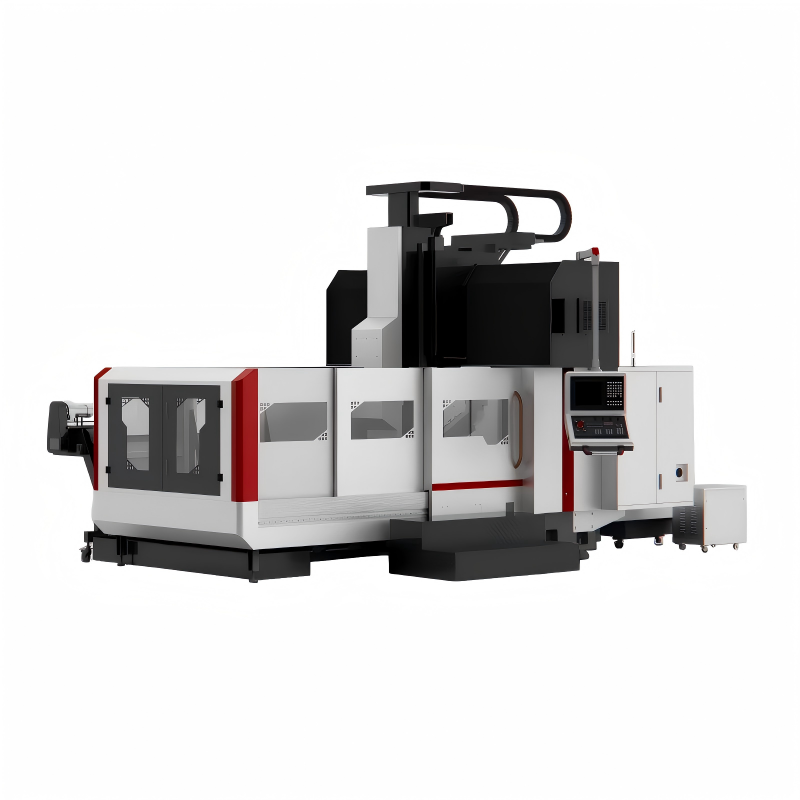
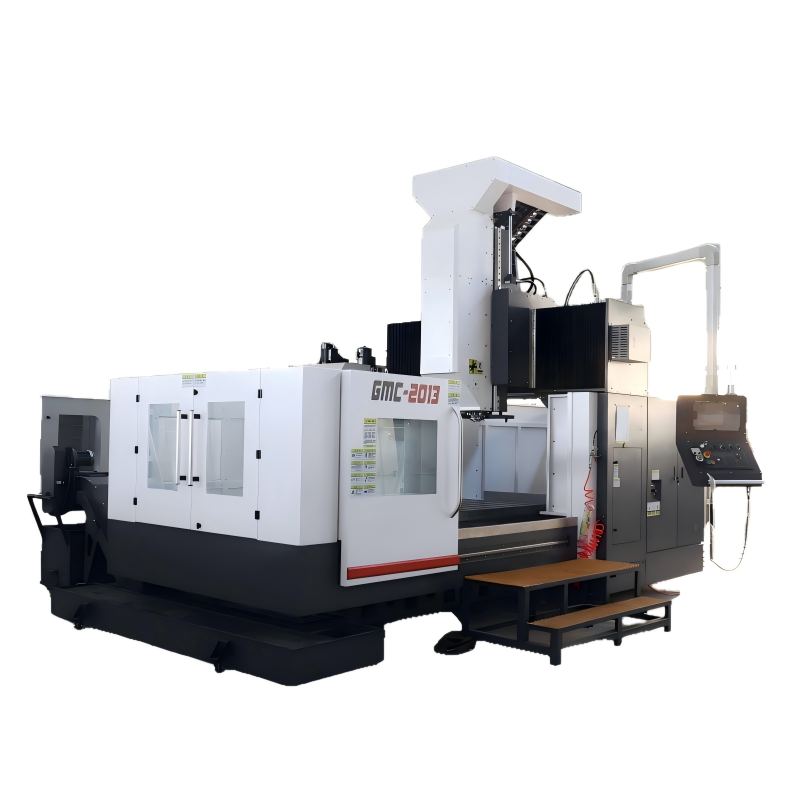
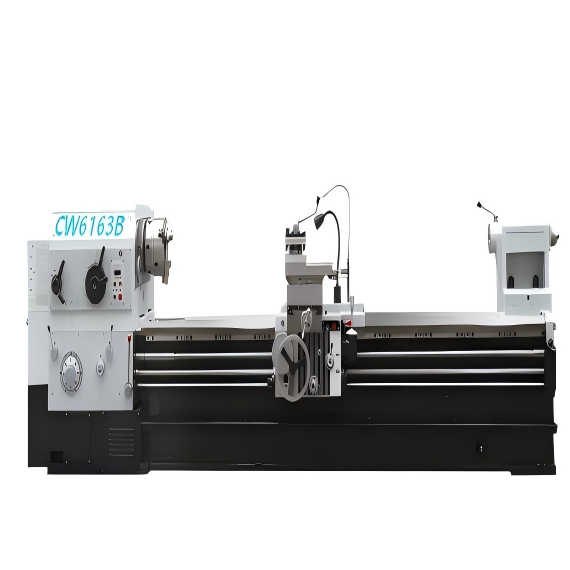
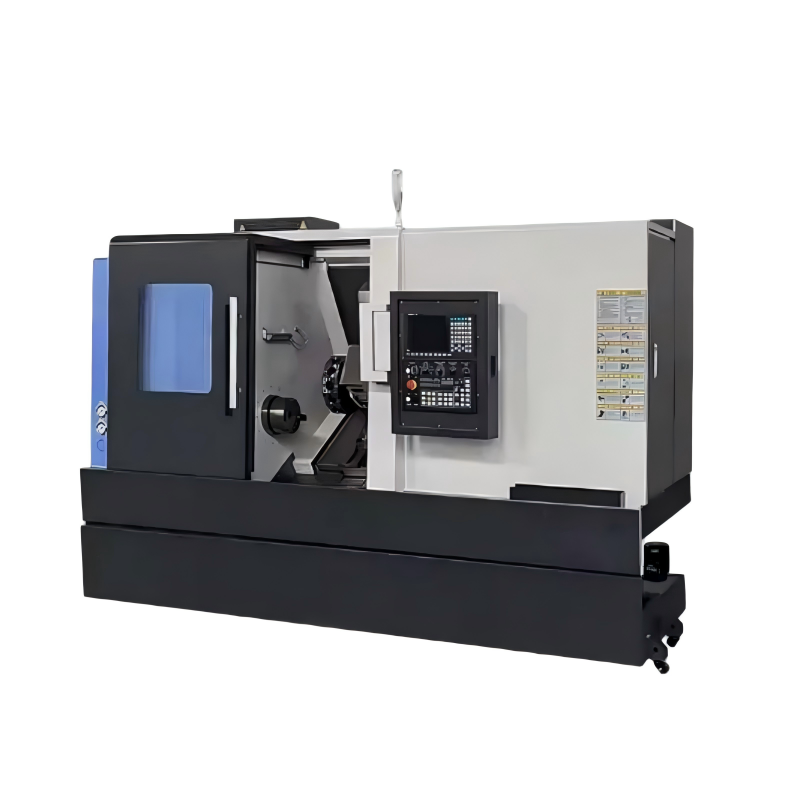
In the realm of advanced manufacturing, the CNC Horizontal Machining Center (HMC) stands out as a critical piece of equipment, enabling precision and efficiency in producing complex parts. This article delves into the recent innovations that have transformed these machines, making them indispensable for modern manufacturing processes.
Advancements in Automation and Integration
The integration of automation technologies with CNC HMCs has been a game-changer. Advanced robotics and automated loading systems have significantly reduced setup times and increased production throughput. These systems can handle multiple tasks, from part loading and unloading to tool changes, without human intervention. This not only enhances productivity but also minimizes the risk of human error. Additionally, the integration of IoT (Internet of Things) and Industry 4.0 principles allows for real-time monitoring and data analysis, optimizing machine performance and predictive maintenance.
Enhanced Precision and Accuracy
One of the key factors driving the adoption of CNC Horizontal Machining Centers is their ability to achieve high levels of precision and accuracy. Modern HMCs are equipped with state-of-the-art control systems and advanced sensors that ensure consistent and repeatable results. Innovations such as thermal compensation, which adjusts for temperature variations, and vibration damping technologies have further enhanced the precision of these machines. This is particularly crucial in industries like aerospace and medical devices, where even the slightest deviation can lead to significant consequences.
Improved Material Handling and Flexibility
CNC Horizontal Machining Centers have also seen significant improvements in material handling and flexibility. The introduction of multi-pallet systems and rotary tables allows for the machining of multiple parts simultaneously, increasing overall efficiency. These systems can be easily reconfigured to accommodate different part sizes and geometries, making HMCs highly versatile. Moreover, the use of modular tooling systems enables quick and easy tool changes, reducing downtime and increasing the range of operations that can be performed on a single machine.
Energy Efficiency and Sustainability
Sustainability is a growing concern in the manufacturing industry, and CNC Horizontal Machining Centers are no exception. Recent innovations have focused on improving energy efficiency through the use of advanced motor technologies and optimized power management systems. For example, some HMCs now feature regenerative braking systems that capture and reuse energy, reducing overall power consumption. Additionally, the use of eco-friendly coolants and lubricants, along with waste reduction strategies, has made these machines more environmentally friendly. These efforts not only reduce the carbon footprint of manufacturing operations but also contribute to cost savings in the long run.
Software and Programming Enhancements
The software and programming capabilities of CNC Horizontal Machining Centers have also undergone significant advancements. Modern CAM (Computer-Aided Manufacturing) software offers more intuitive and user-friendly interfaces, allowing operators to program and simulate machining processes with greater ease. This reduces the learning curve for new operators and minimizes the time required for programming. Furthermore, the integration of artificial intelligence (AI) and machine learning (ML) algorithms has enabled the development of smart machining solutions. These technologies can optimize tool paths, predict tool wear, and suggest optimal cutting parameters, leading to improved efficiency and extended tool life.
In conclusion, the continuous evolution of CNC Horizontal Machining Centers has transformed the landscape of modern manufacturing. From enhanced automation and precision to improved material handling and sustainability, these innovations have made HMCs more efficient, versatile, and environmentally friendly. As technology continues to advance, we can expect even more groundbreaking developments in this field, further solidifying the importance of CNC HMCs in the future of manufacturing.