Understanding the Basics of Conventional lathe for long shaft Machining
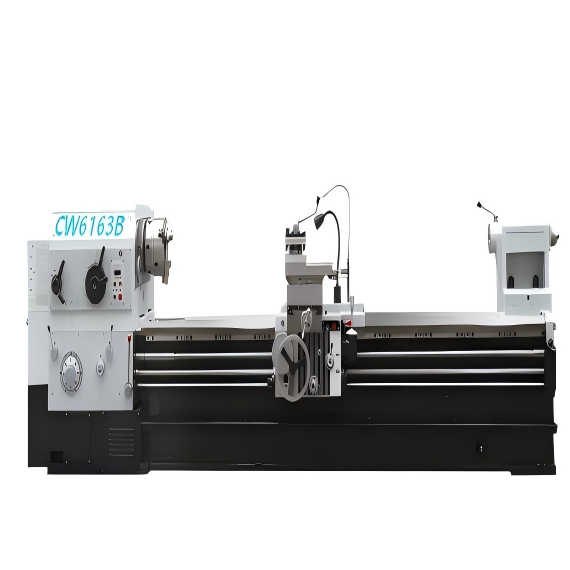
In the realm of precision engineering, conventional lathes play a crucial role in manufacturing long shafts. A conventional lathe for long shaft is designed to handle workpieces that are significantly longer than standard, requiring specialized techniques and tools to ensure accuracy and efficiency. This section will explore the fundamental aspects of using such machinery, including setup, tool selection, and basic operations.
One key aspect of working with a conventional lathe for long shafts is the importance of stability. Due to the length of the material being machined, any minor vibrations or misalignments can lead to significant errors over the span of the part. Therefore, it's essential to use appropriate supports and clamping mechanisms to minimize movement during the machining process. Additionally, selecting the right cutting tools, considering factors like material hardness and desired finish, is vital for achieving high-precision results.
Techniques for Achieving High Precision in Long Shaft Manufacturing
High precision in long shaft manufacturing using a conventional lathe is achieved through a combination of careful planning, precise execution, and advanced techniques. One effective method is the use of tailstocks and steady rests, which provide additional support along the length of the workpiece, reducing deflection and ensuring straightness. Another technique involves taking multiple light passes rather than a single heavy cut, which helps in maintaining dimensional accuracy and surface quality.
Furthermore, the application of coolant during the machining process not only cools the workpiece and tool but also washes away chips, preventing them from marring the surface of the shaft. This practice is particularly important when working with materials prone to heat distortion. By employing these methods, manufacturers can achieve highly accurate and smooth finishes on long shafts, meeting the stringent requirements of various industries, including aerospace, automotive, and medical equipment.
The Role of CNC Integration in Enhancing Conventional Lathe Capabilities
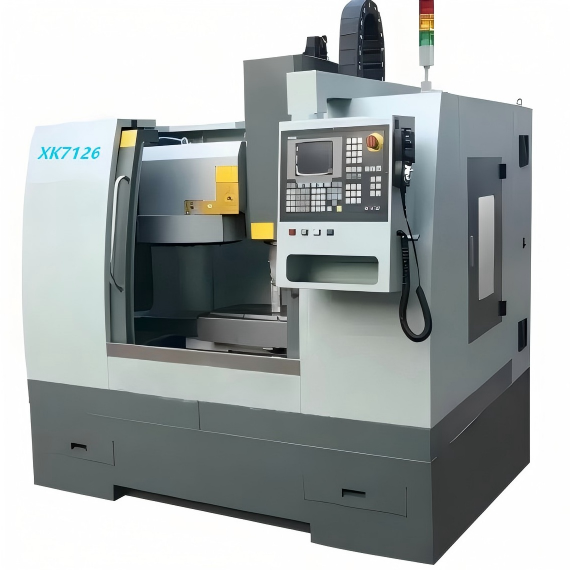
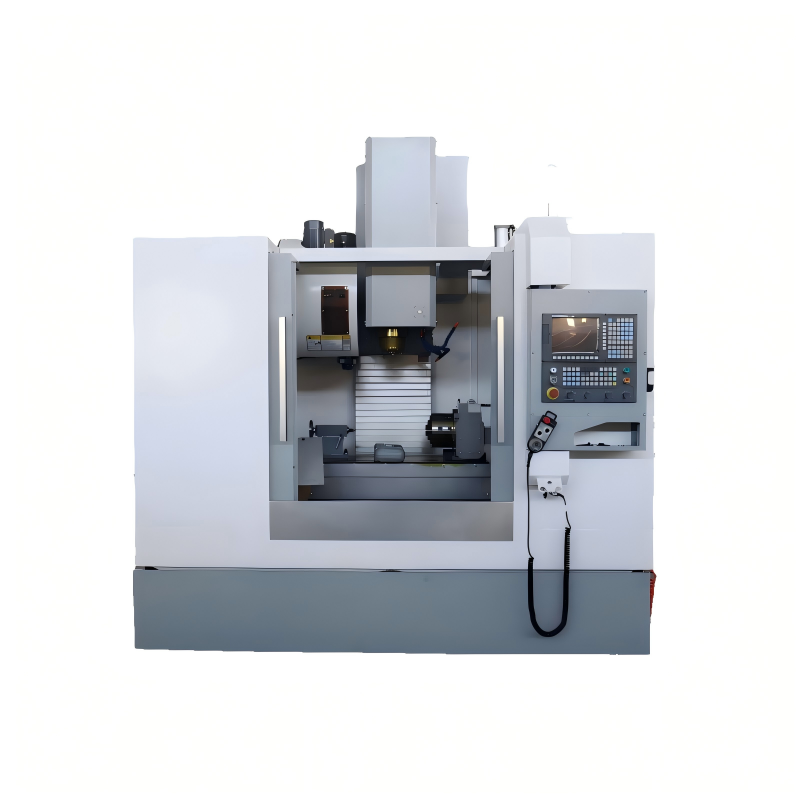
While traditional manual lathes have been the backbone of many workshops, integrating Computer Numerical Control (CNC) technology into a conventional lathe for long shaft can significantly enhance its capabilities. CNC systems allow for automated control of the lathe, enabling more complex and precise operations. This is especially beneficial in the context of long shafts, where consistency and repeatability are critical.
With CNC, operators can program the exact movements and parameters needed for each step of the machining process. This reduces the likelihood of human error and allows for the production of parts with extremely tight tolerances. Moreover, CNC integration facilitates the use of advanced features such as dynamic tool path optimization, which can further improve the efficiency and quality of long shaft manufacturing. As a result, combining the robustness of conventional lathes with the precision of CNC technology offers a powerful solution for modern manufacturing needs.
Challenges and Solutions in Long Shaft Machining
Despite the advancements in lathe technology, machining long shafts still presents several challenges. One of the primary issues is the difficulty in maintaining consistent alignment and straightness over the entire length of the shaft. Even with proper supports, slight variations in the setup or material properties can lead to inaccuracies. To address this, regular calibration and inspection of the lathe and its components are essential.
Another challenge is the management of thermal expansion. During the machining process, the friction between the tool and the workpiece generates heat, causing the material to expand. This can affect the final dimensions of the shaft. Using coolant effectively and scheduling breaks to allow the material to cool can help mitigate this issue. Additionally, implementing real-time monitoring systems can provide immediate feedback on the machining process, allowing for adjustments to be made on the fly and ensuring the highest level of precision.
Conclusion: The Future of Long Shaft Manufacturing with Conventional Lathes
As the demands for precision and efficiency in manufacturing continue to grow, the role of conventional lathes in producing long shafts remains indispensable. By leveraging advanced techniques, integrating CNC technology, and addressing common challenges, manufacturers can achieve exceptional results. The future of long shaft manufacturing lies in the continuous improvement of these processes, ensuring that conventional lathes remain a cornerstone of precision engineering.
Whether through the development of new materials, the refinement of machining techniques, or the integration of smart technologies, the evolution of conventional lathes for long shaft manufacturing is poised to drive innovation and excellence in the industry. As we move forward, the combination of traditional craftsmanship and modern technological advancements will undoubtedly lead to even greater achievements in the field of precision long shaft manufacturing.
 17/06/2026



