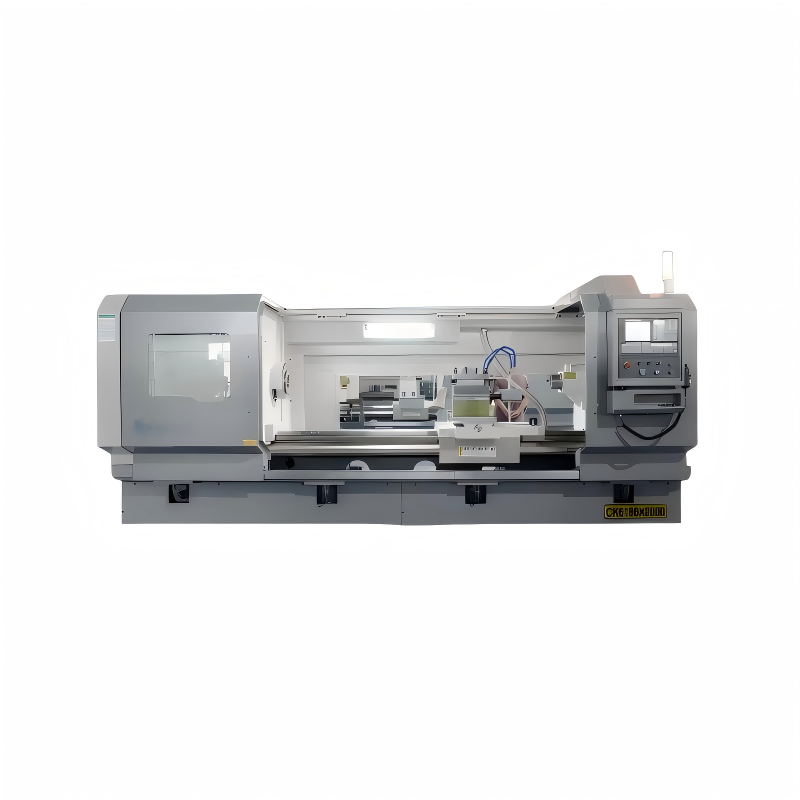
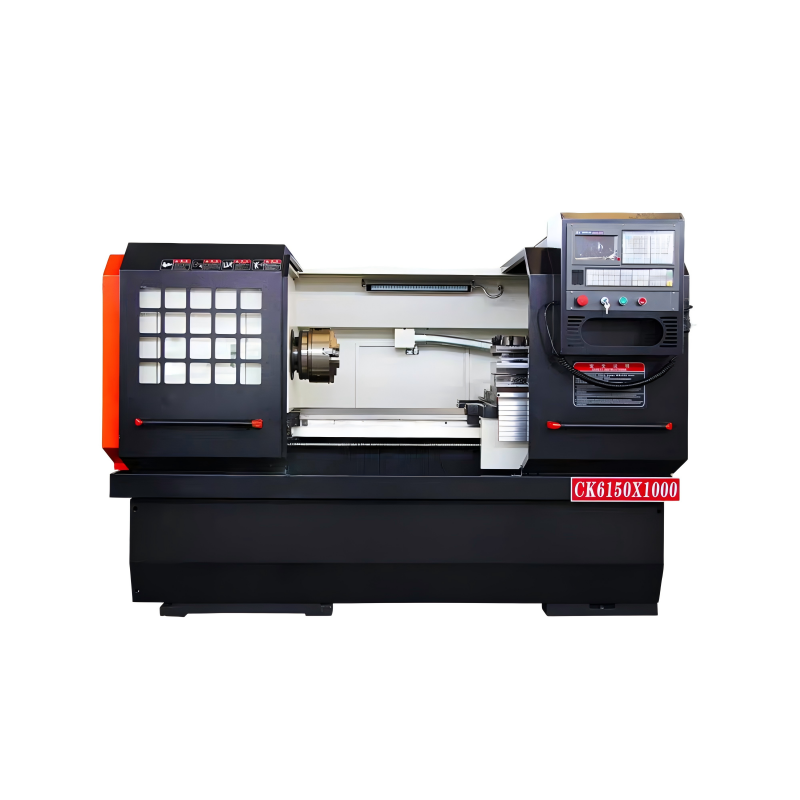
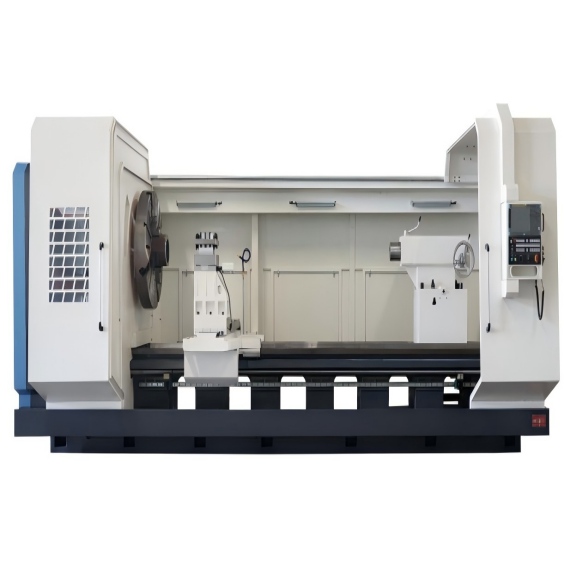
Deep hole machining is a critical process in the manufacturing of precision long shafts, where accuracy and surface finish are paramount. This technique has found widespread application across various industries, including aerospace, automotive, and energy, due to its ability to achieve high precision and efficiency. In this technical report, we will explore several key aspects of deep hole machining solutions for precision long shafts, focusing on the CK6186 machine as an example.
Precision is a non-negotiable requirement in the production of long shafts, which are often used in applications where even the slightest deviation can lead to catastrophic failures. For instance, in the aerospace industry, engine shafts must meet stringent tolerances to ensure optimal performance and safety. The CK6186, designed specifically for deep hole machining, offers the capability to maintain tight tolerances over extended lengths, making it an ideal choice for such applications. By employing advanced control systems and high-precision tooling, the CK6186 ensures that each component is machined to exact specifications, thereby reducing the risk of defects and improving overall product quality.
Over the years, significant advancements have been made in deep hole machining technology, enabling manufacturers to achieve higher levels of precision and productivity. One of the key innovations is the use of single-tube and gun drilling techniques, which allow for the creation of deep, straight, and accurate holes. The CK6186 incorporates these advanced drilling methods, along with features like automated coolant delivery and chip evacuation systems. These systems not only enhance the accuracy of the machining process but also extend the life of the cutting tools, leading to reduced downtime and maintenance costs. Additionally, the integration of real-time monitoring and data analysis capabilities enables operators to make informed decisions, further optimizing the machining process.
The material selection for long shafts plays a crucial role in determining the success of the machining process. Different materials, such as stainless steel, titanium, and various alloys, present unique challenges in terms of hardness, thermal conductivity, and machinability. The CK6186 is equipped with versatile tooling options and adjustable parameters, allowing it to handle a wide range of materials. For example, when machining hard materials like titanium, the machine can be configured to use specialized cutting tools and optimized feed rates to prevent tool wear and ensure consistent results. Understanding the properties of the material and tailoring the machining parameters accordingly is essential for achieving the desired outcomes in deep hole machining.
Despite the many advantages, deep hole machining for precision long shafts also presents several challenges. One of the primary issues is maintaining straightness and roundness over the entire length of the shaft. Any deviation can result in suboptimal performance or failure of the final product. To address this, the CK6186 employs a rigid design and precise guideways to minimize vibrations and deflections during the machining process. Another challenge is the management of heat, which can cause thermal expansion and affect the dimensional accuracy of the part. The machine's advanced cooling systems help dissipate heat effectively, ensuring that the workpiece remains within the specified temperature range. By addressing these challenges, the CK6186 provides a reliable and efficient solution for deep hole machining of precision long shafts.
As the demand for precision long shafts continues to grow, the future of deep hole machining is likely to see further advancements in automation, digitalization, and sustainability. Automation technologies, such as robotic loading and unloading, will play a significant role in increasing productivity and reducing labor costs. Digitalization, through the integration of Industry 4.0 principles, will enable real-time data collection, predictive maintenance, and enhanced process control. Moreover, there is a growing emphasis on sustainable manufacturing practices, and the CK6186 is well-positioned to support these initiatives with its energy-efficient design and waste reduction features. As the industry evolves, the CK6186 will continue to be at the forefront of deep hole machining, providing innovative solutions for the production of precision long shafts.
In conclusion, deep hole machining for precision long shafts is a complex and demanding process that requires advanced technology and expertise. The CK6186 stands out as a robust and versatile machine, capable of meeting the stringent requirements of various industries. By leveraging its precision, versatility, and advanced features, manufacturers can produce high-quality long shafts with confidence, ensuring the reliability and performance of their end products.
 22/06/2026
In today's manufacturing landscape, precision and efficiency are paramount. The CK6186 flat bed CNC lathe stands out as a top choice for those seeking to enhance their machining capabilities. This technical report delves into the various aspects of the CK
Read More22/06/2026The field of CNC (Computer Numerical Control) lathes has seen significant advancements over the years, with a particular focus on improving efficiency, precision, and operational noise. One such innovation is the CK6186 low noise flat bed CNC lathe, which
Read More22/06/2026CK6186, a highly specialized lathe model, has been making waves in the metalworking industry due to its exceptional performance and versatility. This technical report delves into the various aspects of how CK6186 contributes to achieving high-quality meta
Read More05/06/2026The future of metalworking is rapidly evolving, driven by advancements in technology and the increasing demand for precision and efficiency. One model that stands out in this landscape is the CK6186, a cutting-edge machine designed to meet the needs of mo
Read MoreOur professional sales team is always ready to assist you.