Introduction to Deep Hole Machining for Long Shafts
Deep hole machining is a critical process in the manufacturing of precision long shafts, especially those used in industries such as aerospace, automotive, and energy. This technique involves drilling holes with a depth-to-diameter ratio greater than 10:1, which requires specialized equipment like a deep hole machining CNC lathe for long shafts. The use of such lathes ensures that the machining process can be carried out with high precision and efficiency, meeting the stringent requirements of modern engineering applications.
Key Features of Deep Hole Machining CNC Lathes for Long Shafts
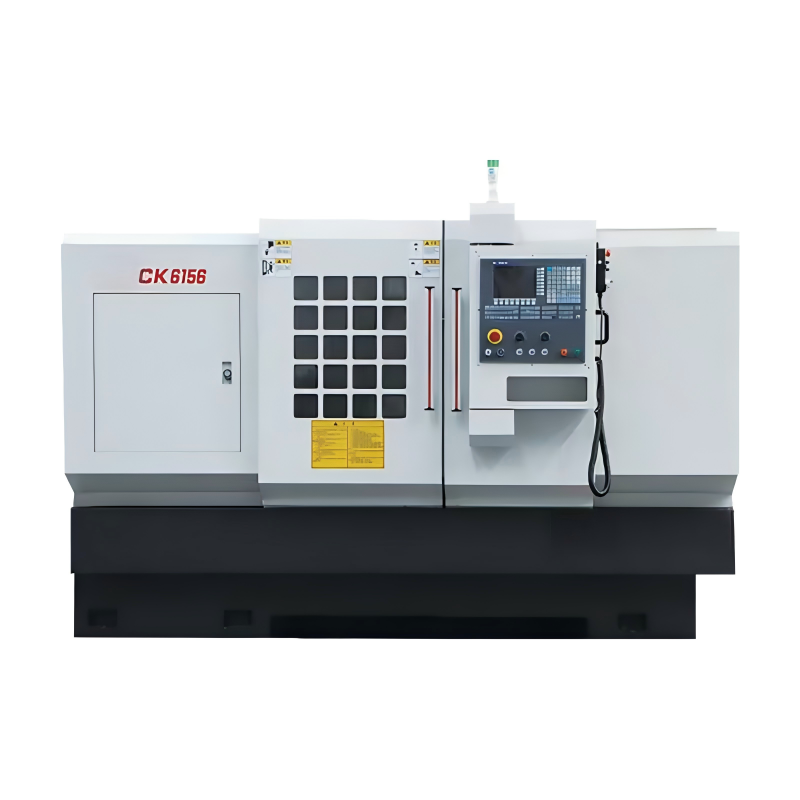
Deep hole machining CNC lathes are designed to handle the unique challenges posed by long shafts. These machines are equipped with advanced features that enhance their performance and reliability. One of the key features is the ability to maintain high accuracy over extended lengths, which is crucial for the production of precision long shafts. Additionally, these lathes often include automated systems for chip removal and coolant delivery, ensuring that the cutting process remains consistent and efficient.
Another important feature is the use of specialized tooling, such as BTA (Boring and Trepanning Association) and gun drills, which are specifically designed for deep hole machining. These tools are capable of achieving high feed rates and excellent surface finishes, even when working with difficult-to-machine materials. The integration of these tools with the CNC lathe allows for precise control over the machining parameters, resulting in superior quality products.
Challenges and Solutions in Deep Hole Machining for Long Shafts
One of the primary challenges in deep hole machining for long shafts is maintaining straightness and roundness over the entire length of the workpiece. Any deviation from the desired dimensions can lead to significant issues in the final product. To address this, manufacturers often employ advanced measurement and feedback systems, which continuously monitor the machining process and make real-time adjustments to ensure accuracy.
Heat management is another critical challenge. During the machining process, the friction between the tool and the workpiece generates a significant amount of heat, which can cause thermal expansion and affect the dimensional stability of the shaft. To mitigate this, deep hole machining CNC lathes are equipped with advanced cooling systems that deliver coolant directly to the cutting zone. This not only helps in dissipating heat but also improves the tool life and surface finish of the machined part.
Finally, the handling and support of long shafts during the machining process can be challenging. Specialized fixtures and clamping mechanisms are used to securely hold the workpiece, ensuring that it remains stable and aligned throughout the operation. These fixtures are designed to minimize deflection and vibration, which can otherwise compromise the precision of the machined shaft.
Applications of Precision Long Shafts in Various Industries
Precision long shafts produced through deep hole machining find wide-ranging applications in various industries. In the aerospace sector, these shafts are used in critical components such as engine spindles and landing gear, where high strength and dimensional accuracy are essential. The automotive industry relies on precision long shafts for components like drive shafts and camshafts, which must withstand high loads and operate under extreme conditions.
In the energy sector, particularly in the oil and gas industry, deep hole machining is used to produce drill pipes and other downhole tools. These components require exceptional durability and resistance to corrosion, making the precision and quality of the machining process paramount. Similarly, in the power generation industry, precision long shafts are used in turbines and generators, where any imperfection can lead to catastrophic failures.
The medical industry also benefits from the precision and reliability of deep hole machining. Medical devices and surgical instruments often require long, slender shafts with intricate internal features, which can be achieved through advanced machining techniques. The use of deep hole machining CNC lathes ensures that these components meet the stringent safety and performance standards required in the medical field.
Future Trends and Innovations in Deep Hole Machining for Long Shafts
As technology continues to advance, the future of deep hole machining for long shafts looks promising. One of the emerging trends is the integration of Industry 4.0 technologies, such as the Internet of Things (IoT) and artificial intelligence (AI), into the machining process. These technologies enable real-time monitoring and predictive maintenance, improving the overall efficiency and uptime of the CNC lathes.
Another area of innovation is the development of new materials and coatings for cutting tools. Advanced materials such as polycrystalline diamond (PCD) and cubic boron nitride (CBN) offer superior wear resistance and thermal conductivity, allowing for higher cutting speeds and longer tool life. Additionally, new coatings and surface treatments can further enhance the performance of these tools, making them more suitable for deep hole machining of difficult-to-machine materials.
Finally, the use of additive manufacturing (AM) in conjunction with traditional machining processes is gaining traction. AM can be used to create complex internal features and structures that are difficult or impossible to achieve through conventional machining. By combining AM with deep hole machining, manufacturers can produce highly customized and optimized long shafts, opening up new possibilities in design and functionality.
Conclusion
Deep hole machining for precision long shafts is a vital process in the manufacturing of high-precision components across various industries. The use of specialized CNC lathes, advanced tooling, and innovative technologies ensures that these components meet the highest standards of quality and performance. As the industry continues to evolve, the integration of new materials, coatings, and Industry 4.0 technologies will further enhance the capabilities of deep hole machining, enabling the production of even more complex and precise long shafts.
 15/06/2026



