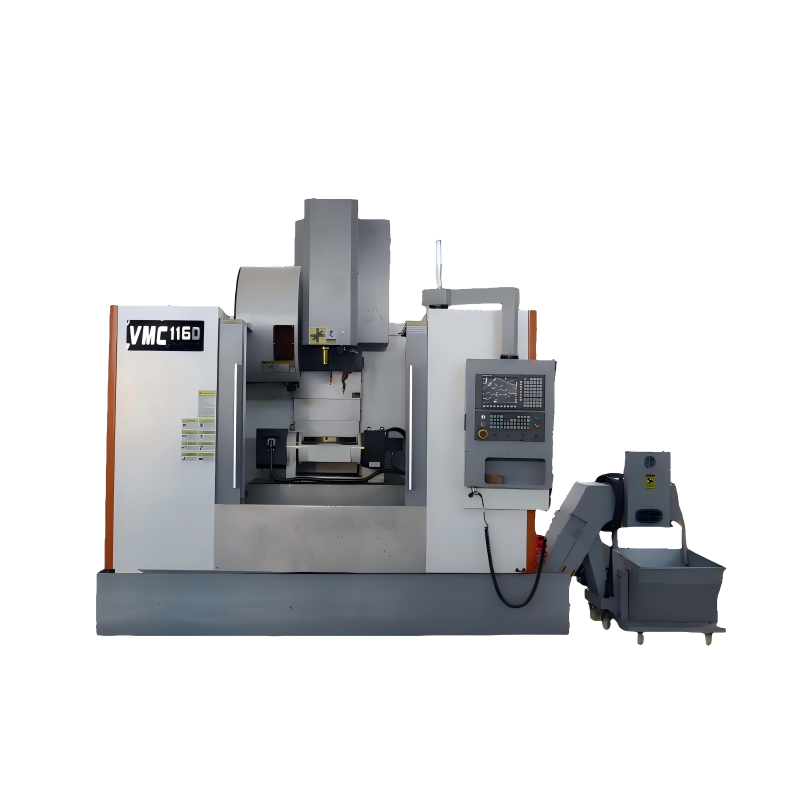
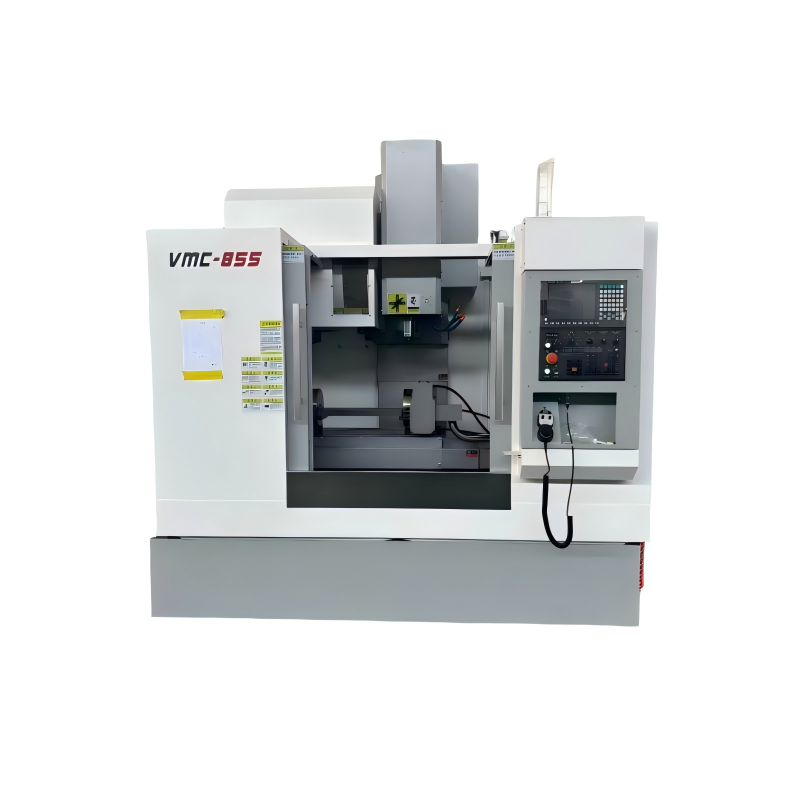
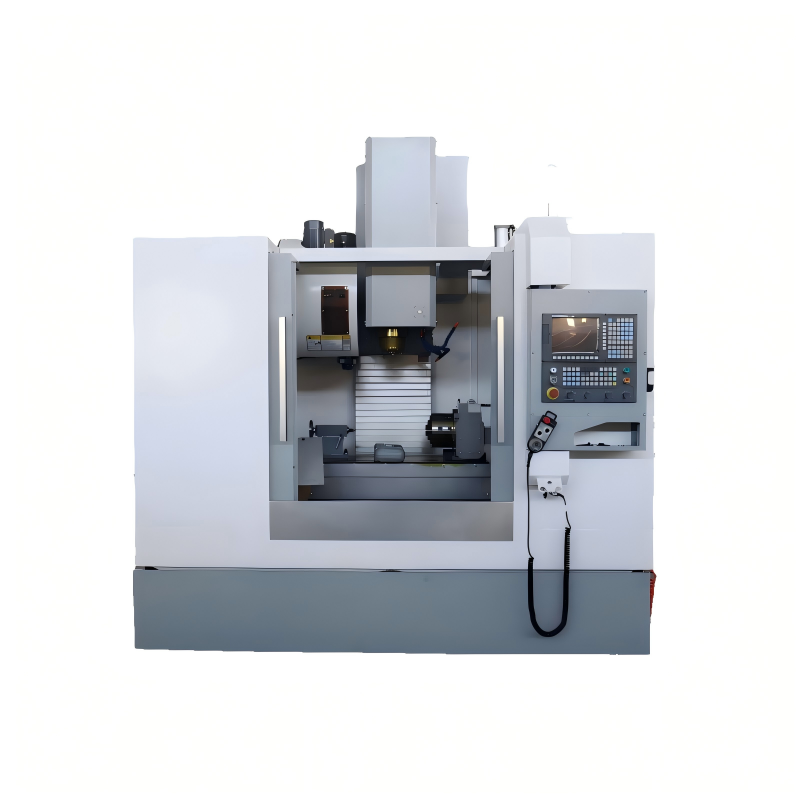
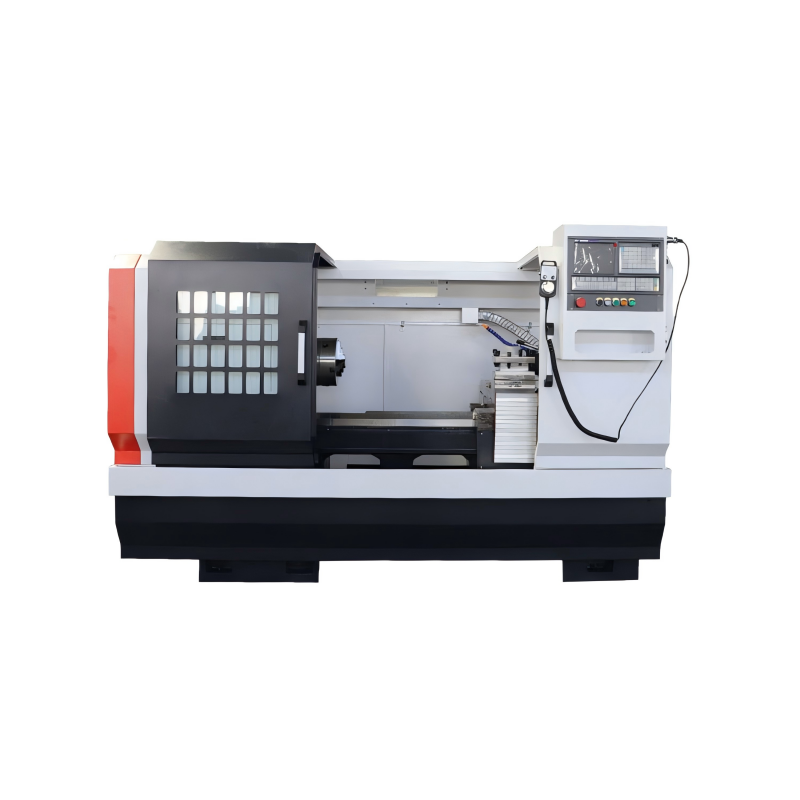
In the realm of modern manufacturing, CNC (Computer Numerical Control) lathes have emerged as a cornerstone for precision and efficiency. These machines, equipped with advanced capabilities, can handle a wide range of materials and complex geometries, making them indispensable in various industries. This report delves into the versatility of CNC Lathes, focusing on their applications, technological advancements, and the impact on manufacturing processes. Additionally, we will explore the role of Flat bed pipe thr in enhancing the performance of these lathes.
The journey of CNC lathes from their inception to the current state-of-the-art machines is a testament to the rapid advancements in technology. Initially, lathes were manually operated, requiring skilled operators to produce parts with varying degrees of accuracy. The introduction of numerical control in the 1950s marked a significant shift, as it allowed for automated and more precise operations. However, it was the advent of computer-aided design (CAD) and computer-aided manufacturing (CAM) that truly revolutionized the industry. Today, CNC lathes are capable of executing intricate and repetitive tasks with minimal human intervention, significantly reducing production time and costs while maintaining high levels of quality.
CNC lathes find applications in a multitude of industries, including automotive, aerospace, medical, and consumer goods. In the automotive sector, these machines are used to manufacture engine components, such as pistons, valves, and shafts, which require high precision and durability. The aerospace industry relies on CNC lathes for producing critical parts like turbine blades and landing gear components, where even the slightest deviation can have catastrophic consequences. In the medical field, CNC lathes are employed to create surgical instruments and implants, ensuring that each piece meets the stringent standards required for patient safety. Consumer goods manufacturers also benefit from the precision and consistency of CNC lathes, using them to produce everything from kitchen appliances to electronic devices.
Recent technological advancements have further enhanced the capabilities of CNC lathes. One such advancement is the integration of multi-axis machining, which allows for the simultaneous operation of multiple axes, enabling the creation of complex geometries in a single setup. This not only improves efficiency but also reduces the need for additional setups, thereby minimizing errors and improving overall part quality. Another significant development is the use of advanced cutting tools and materials, such as coated carbide and ceramic inserts, which offer superior wear resistance and longer tool life. Additionally, the incorporation of real-time monitoring systems and predictive maintenance technologies has made CNC lathes more reliable and easier to maintain, reducing downtime and increasing productivity.
Flat bed pipe thr plays a crucial role in the functionality and performance of CNC lathes. This component, often referred to as a flat bed, is designed to support and guide the workpiece during the machining process. The flat bed provides a stable and rigid platform, ensuring that the workpiece remains in place and is accurately positioned for the cutting tools. In the context of pipe threading, the flat bed pipe thr is particularly important, as it must be able to accommodate and secure pipes of various diameters and lengths. The robust construction of the flat bed, combined with its precise alignment features, ensures that the threads are cut accurately and consistently, meeting the exacting standards required in many industries. Furthermore, the flat bed pipe thr is often equipped with adjustable clamps and supports, allowing for quick and easy setup changes, which is essential for high-volume production environments.
In conclusion, CNC lathes have become an integral part of modern manufacturing, offering unparalleled precision, efficiency, and versatility. Their evolution from manual lathes to highly sophisticated machines has been driven by continuous technological advancements, making them indispensable in a wide range of industries. The integration of multi-axis machining, advanced cutting tools, and real-time monitoring systems has further enhanced their capabilities, enabling the production of complex and high-precision parts. The flat bed pipe thr, as a key component, ensures the stability and accuracy of the machining process, particularly in pipe threading applications. As the demand for precision and efficiency continues to grow, CNC lathes will undoubtedly play an increasingly vital role in shaping the future of manufacturing.
 17/06/2026
Understanding the Advancements in CNC Pipe Threading TechnologyThe evolution of pipe threading technology, particularly with the advent of heavy-duty CNC (Computer Numerical Control) pipe threading lathes, has transformed the manufacturing landscape. Thes
Read More17/06/2026The oil and gas industry is one of the most technologically advanced sectors, continuously seeking innovations to improve efficiency, reduce costs, and enhance safety. One such innovation that has significantly impacted the industry is the Casing thread C
Read More17/06/2026China, a global leader in manufacturing, has been at the forefront of innovation and quality when it comes to CNC (Computer Numerical Control) lathe machines. These machines are not only essential for precision machining but also play a crucial role in va
Read More17/06/2026In the realm of precision machining, the CNC pipe thread lathe stands out as a remarkable tool that combines efficiency with accuracy. This article delves into the intricacies of the CNC pipe thread lathe, exploring its capabilities and the benefits it of
Read MoreOur professional sales team is always ready to assist you.