The manufacturing industry is continuously evolving, with technological advancements driving the development of more efficient, versatile, and precise machines. Among these, the Slant Bed CNC Lathe and Gantry-Type GMC (Gantry Machining Center) stand out as two critical pieces of equipment that have transformed various applications. This report delves into the versatility of a Gantry-Type GMC, highlighting its capabilities across different industries while also touching upon the complementary role of the Slant Bed CNC Lathe.
Understanding the Gantry-Type GMC: A Brief Overview
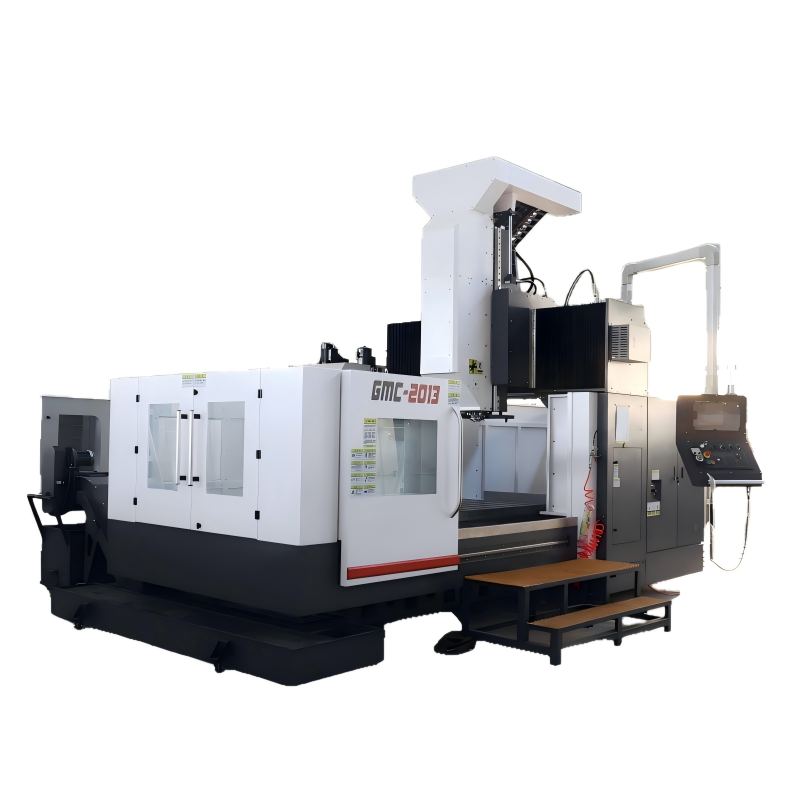
Gantry-Type GMCs are large-scale machining centers designed for heavy-duty and high-precision operations. These machines are characterized by their robust structure, which typically consists of a gantry frame that moves along the X-axis, while the table or workpiece moves in the Y and Z axes. The design allows for exceptional rigidity and stability, making them ideal for processing large components with complex geometries. Unlike traditional machining centers, Gantry-Type GMCs can handle a wide range of materials, including metals, composites, and even some plastics, making them incredibly versatile in manufacturing environments.
Enhanced Precision and Accuracy in Large-Scale Manufacturing
One of the key advantages of Gantry-Type GMCs is their ability to maintain high levels of precision and accuracy, even when working with large and heavy workpieces. The rigid gantry structure minimizes vibrations and deflections, ensuring that the cutting tools remain stable throughout the machining process. This stability is crucial for achieving tight tolerances and smooth surface finishes, which are essential in industries such as aerospace, automotive, and energy. For example, in the aerospace industry, Gantry-Type GMCs are used to manufacture critical components like turbine blades and structural parts, where any deviation from specifications can have severe consequences.
Flexibility in Multi-Axis Machining
Gantry-Type GMCs are often equipped with multiple axes, allowing for complex 5-axis or even 6-axis machining. This multi-axis capability enables the machine to perform a wide array of operations, from milling and drilling to turning and grinding, all within a single setup. The ability to manipulate the workpiece and cutting tool in multiple directions significantly reduces the need for repositioning, thereby saving time and improving overall productivity. In the automotive industry, this flexibility is particularly valuable for producing intricate parts such as engine blocks, transmission cases, and suspension components, where the geometry can be highly complex.
Integration with Advanced Technologies for Enhanced Efficiency
Modern Gantry-Type GMCs are increasingly being integrated with advanced technologies to further enhance their efficiency and performance. For instance, many machines now feature real-time monitoring systems, which use sensors and data analytics to track the machining process and detect any deviations or issues. This proactive approach helps to prevent defects and downtime, ensuring that the production process remains smooth and reliable. Additionally, the integration of automation technologies, such as robotic arms and automatic tool changers, allows for continuous operation with minimal human intervention, further boosting productivity. In the context of Industry 4.0, these advanced features make Gantry-Type GMCs an integral part of smart factories, where data-driven decision-making and seamless connectivity are paramount.
Complementary Role of the Slant Bed CNC Lathe
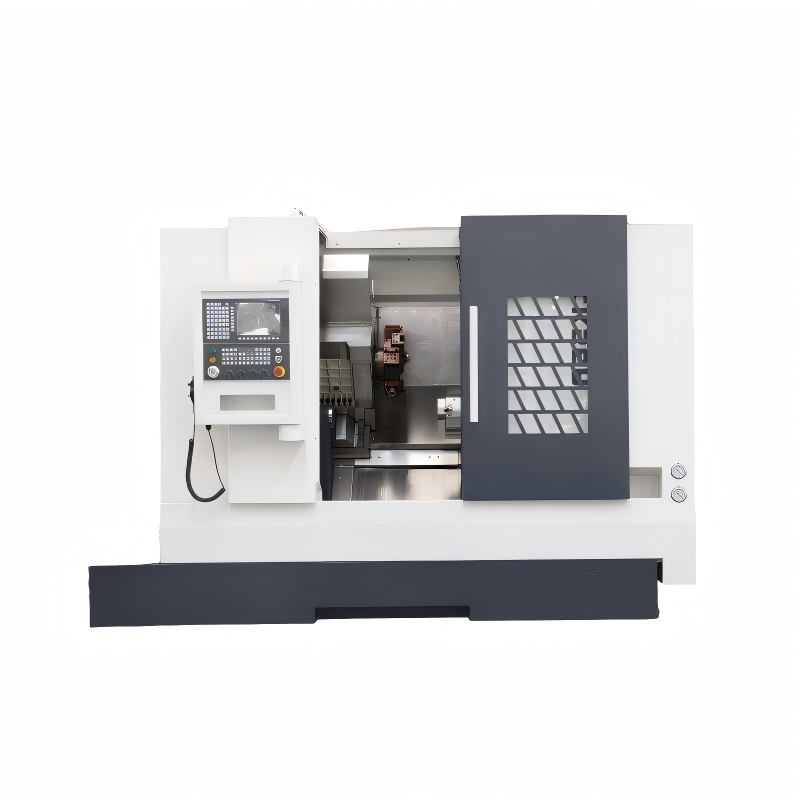
While Gantry-Type GMCs excel in handling large and complex workpieces, the Slant Bed CNC Lathe plays a complementary role in the manufacturing process. Slant Bed CNC Lathes are designed for high-speed, high-precision turning operations, making them ideal for producing cylindrical parts with tight tolerances. The slanted bed design provides better chip evacuation and improved accessibility, which is particularly beneficial for long and slender workpieces. In many manufacturing setups, the combination of a Gantry-Type GMC and a Slant Bed CNC Lathe allows for a comprehensive solution, where the GMC handles the large and complex components, while the lathe takes care of the smaller, more detailed parts. This synergy ensures that the entire production line is optimized for both efficiency and quality.
Conclusion
In conclusion, the Gantry-Type GMC is a versatile and powerful machine that has revolutionized large-scale manufacturing. Its ability to handle complex geometries, maintain high precision, and integrate with advanced technologies makes it an indispensable tool in various industries. When combined with the Slant Bed CNC Lathe, manufacturers can achieve a balanced and efficient production process, capable of meeting the most demanding requirements. As technology continues to advance, the future of manufacturing will undoubtedly see even more innovative solutions, but the Gantry-Type GMC and Slant Bed CNC Lathe will remain at the forefront, driving progress and innovation.
 30/06/2026



