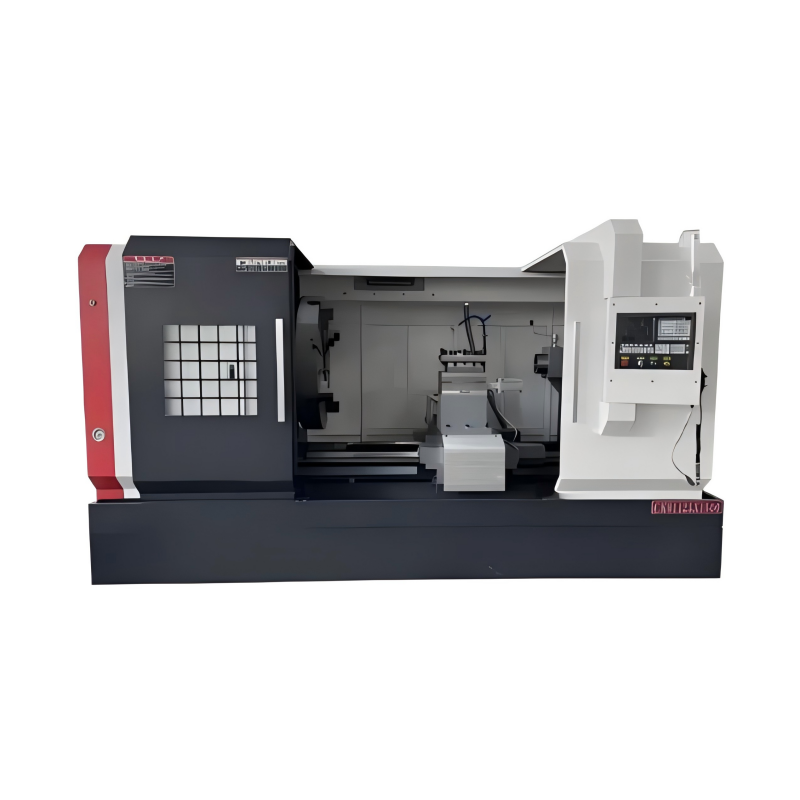
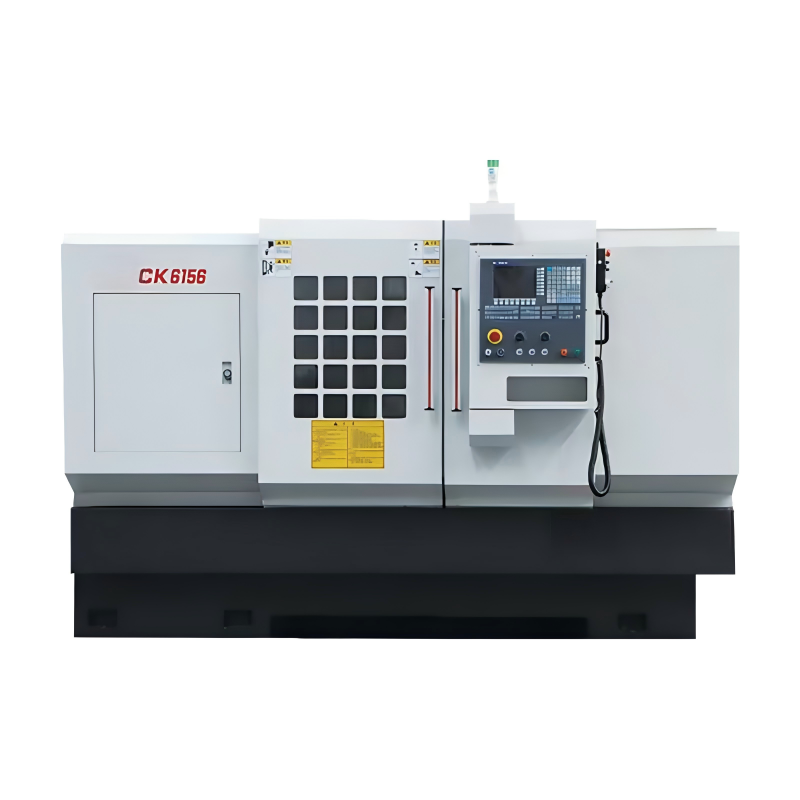
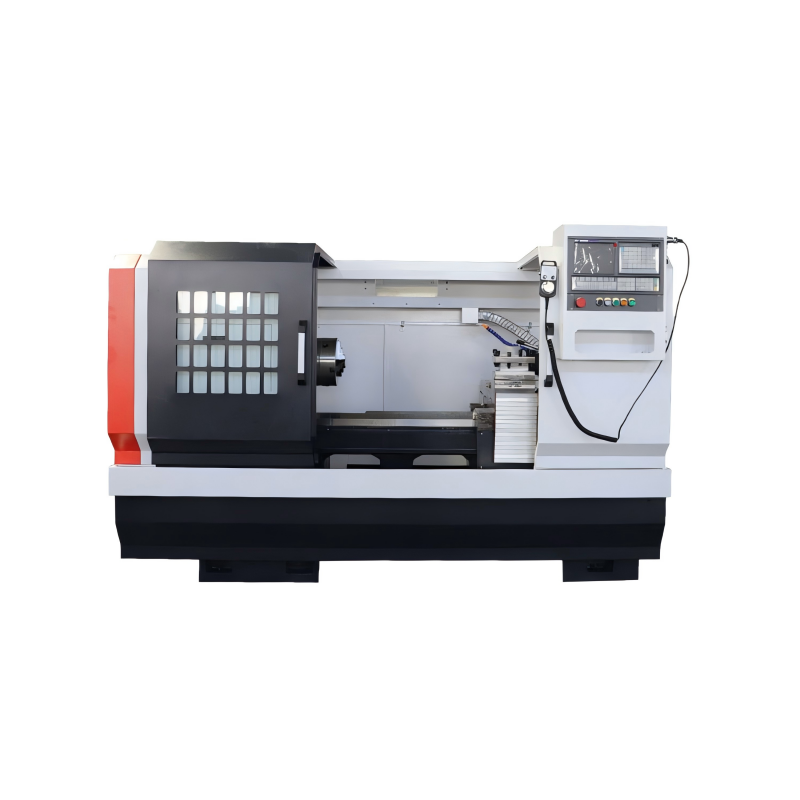
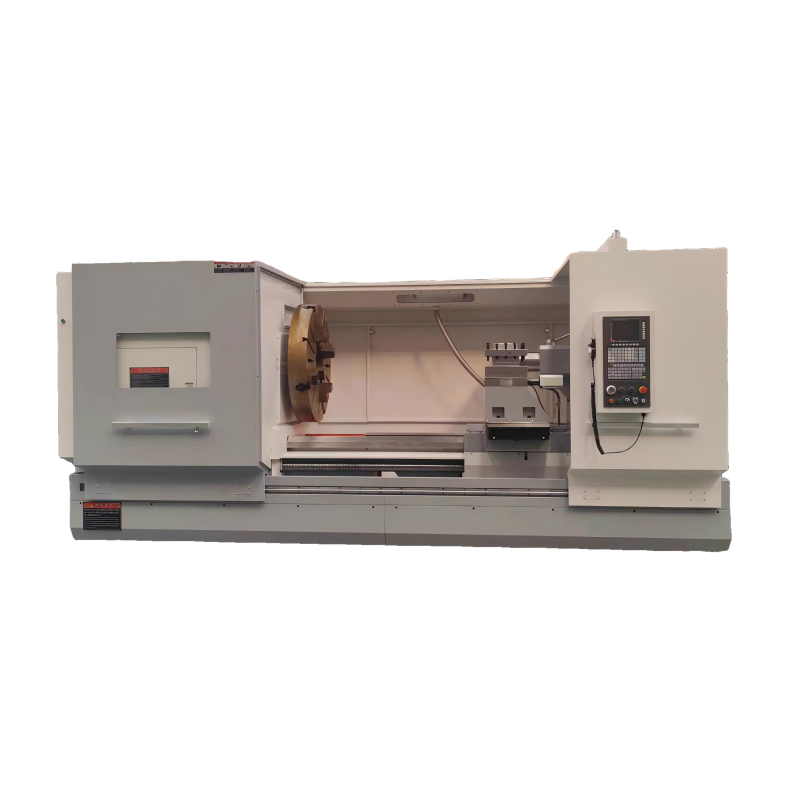
A horizontal CNC (Computer Numerical Control) lathe is a sophisticated machine used for cutting, shaping, and machining materials. As a China supplier of horizontal CNC Lathe, it's crucial to understand the core components that make up this machine. The primary parts include the headstock, tailstock, carriage, tool turret, and control panel. Each component plays a vital role in the overall functionality and precision of the lathe.
The headstock houses the main spindle, which rotates the workpiece. The tailstock supports the other end of the workpiece, ensuring stability during operation. The carriage moves along the X-axis, while the tool turret holds various tools and can rotate to select the appropriate one for the task. The control panel, often equipped with a touchscreen interface, allows operators to program and control the lathe's movements and operations.
Understanding these components is essential for both maintenance and efficient operation. Regular inspection and maintenance of these parts can prevent unexpected breakdowns and ensure consistent performance. For instance, lubricating the moving parts, checking for wear and tear, and replacing damaged components are all part of routine maintenance.
Operating a horizontal CNC lathe requires a combination of technical knowledge and practical experience. As a China supplier of horizontal CNC lathe, we recommend several best practices to ensure optimal performance and safety. First, always start by thoroughly reading the user manual and familiarizing yourself with the machine's capabilities and limitations.
Before starting the machine, ensure that the workpiece is securely clamped and the tools are properly set up. This includes verifying that the tool offsets are correctly entered into the control system. It's also important to check the coolant and lubricant levels, as these fluids play a critical role in maintaining the tool and workpiece temperature, reducing friction, and extending the life of the machine.
During operation, monitor the machine's performance closely. Pay attention to any unusual sounds or vibrations, as these can indicate potential issues. If you notice anything out of the ordinary, stop the machine immediately and investigate the cause. Additionally, keep the work area clean and organized to minimize the risk of accidents and improve efficiency.
Finally, regular training and refresher courses for operators are essential. As technology advances, new features and functionalities may be added to the lathe, and staying up-to-date with these changes is crucial for maintaining high productivity and safety standards.
Proper maintenance is key to extending the life and ensuring the reliability of your horizontal CNC lathe. As a China supplier of horizontal CNC lathe, we provide comprehensive maintenance guidelines to help our customers get the most out of their machines. One of the most important aspects of maintenance is regular cleaning. Dust, debris, and metal shavings can accumulate on the machine, leading to wear and tear and potentially causing malfunctions. Use compressed air to blow away loose particles and a soft cloth to wipe down surfaces.
Lubrication is another critical aspect of maintenance. Ensure that all moving parts, such as the ways, screws, and bearings, are well-lubricated. Follow the manufacturer's recommendations for the type and frequency of lubrication. Over-lubrication can be just as detrimental as under-lubrication, so it's important to strike the right balance.
Regularly inspect the electrical components, including the control panel, wiring, and connectors. Look for signs of wear, corrosion, or damage. Replace any faulty parts promptly to avoid more significant issues. Additionally, check the hydraulic and pneumatic systems for leaks and ensure that the pressure settings are correct.
Lastly, keep detailed maintenance records. Documenting all maintenance activities, including inspections, repairs, and part replacements, can help identify patterns and predict when certain components may need attention. This proactive approach can save time and money in the long run by preventing unexpected downtime and costly repairs.
Modern horizontal CNC lathes come equipped with advanced features and technologies that enhance their performance and versatility. As a China supplier of horizontal CNC lathe, we offer a range of upgrades and options to meet the diverse needs of our customers. One such feature is the integration of multi-axis capabilities, which allow for more complex and precise machining operations. Multi-axis lathes can perform milling, drilling, and turning in a single setup, reducing the need for multiple machines and setups.
Another significant advancement is the use of high-speed spindles. These spindles can reach higher RPMs, enabling faster and more efficient machining. High-speed spindles are particularly useful for applications that require fine surface finishes and tight tolerances. Additionally, they can reduce cycle times, increasing overall productivity.
Automated tool changers are another valuable upgrade. These systems automatically change tools based on the programmed instructions, eliminating the need for manual intervention and significantly reducing setup times. Automated tool changers also increase the accuracy and repeatability of the machining process, as they eliminate human error.
Finally, advanced control systems, such as those with touchscreens and intuitive interfaces, make programming and operating the lathe more straightforward. These systems often include features like real-time monitoring, diagnostic tools, and remote access, allowing operators to manage and troubleshoot the machine from a distance. By investing in these advanced features, manufacturers can stay competitive and achieve higher levels of precision and efficiency.
Safety is paramount in any manufacturing environment, and operating a horizontal CNC lathe is no exception. As a China supplier of horizontal CNC lathe, we emphasize the importance of adhering to safety guidelines and regulations. One of the first steps in ensuring safety is to conduct a thorough risk assessment. Identify potential hazards, such as pinch points, rotating parts, and flying debris, and implement appropriate safety measures to mitigate these risks.
Personal protective equipment (PPE) is essential for the operator and anyone in the vicinity of the lathe. This includes safety glasses, gloves, and hearing protection. Additionally, ensure that the machine is equipped with proper guarding and safety interlocks. These devices prevent access to dangerous areas while the machine is in operation and automatically shut off the machine if a guard is removed or a door is opened.
Training and education are also crucial. Operators should be thoroughly trained on the safe operation of the lathe, including emergency procedures and the proper use of PPE. Regular safety drills and refresher courses can help reinforce good safety habits and ensure that everyone is prepared for unexpected situations.
Compliance with local and international safety standards, such as OSHA (Occupational Safety and Health Administration) and ISO (International Organization for Standardization), is essential. These standards provide guidelines and best practices for safe machine operation and maintenance. By following these standards, manufacturers can create a safer working environment and avoid potential legal and financial liabilities.
In conclusion, understanding the core components, following best practices, performing regular maintenance, leveraging advanced features, and prioritizing safety are all critical aspects of operating and maintaining a horizontal CNC lathe. As a China supplier of horizontal CNC lathe, we are committed to providing our customers with the knowledge and support they need to achieve optimal performance and longevity from their machines.
 18/06/2026
In the realm of precision manufacturing, the role of a China supplier of horizontal CNC lathe cannot be overstated. These suppliers play a crucial part in providing high-quality machinery that meets the demands of modern industry. One such machine that st
Read More18/06/2026The Growing Demand for Horizontal CNC Lathes in Global ManufacturingAs the global manufacturing landscape continues to evolve, the demand for precision and efficiency has never been higher. One of the key pieces of equipment that plays a critical role in
Read More18/06/2026As a China supplier of horizontal CNC lathe, navigating the global market requires a deep understanding of both technological advancements and market trends. This report aims to provide valuable insights for businesses looking to expand their reach in the
Read More18/06/2026In the ever-evolving landscape of manufacturing, efficiency and precision are paramount. One key tool that has revolutionized the way workshops operate is the horizontal CNC lathe. As a China supplier of horizontal CNC lathe, these machines offer a range
Read More18/06/2026In the ever-evolving world of manufacturing, the role of horizontal CNC lathes has become increasingly significant. As a top China supplier of horizontal CNC lathe, our company is at the forefront of this technological revolution, constantly pushing the b
Read More18/06/2026As the manufacturing industry continues to evolve, the demand for precision and efficiency in machining processes has never been higher. One of the most critical pieces of equipment in this domain is the horizontal CNC lathe. These machines are essential
Read More18/06/2026With the rapid advancement of manufacturing technology, companies across the globe are constantly seeking ways to enhance their productivity and efficiency. One such method is through the adoption of state-of-the-art machinery, like a China supplier of ho
Read More18/06/2026Understanding the Importance of Choosing the Right Horizontal CNC Lathe SupplierIn today’s rapidly evolving manufacturing landscape, selecting the right China supplier of horizontal CNC lathe is crucial for ensuring not only the quality and efficiency of
Read More18/06/2026As the manufacturing sector continues to evolve, precision engineering has become increasingly critical for meeting the demands of modern industries. One of the key players in this field is a leading China supplier of horizontal CNC lathe. This report del
Read More18/06/2026China, known for its robust manufacturing industry, has emerged as a significant player in the global market for advanced machining solutions. Among these, the China supplier of horizontal CNC lathe plays a crucial role in providing high-precision and eff
Read MoreOur professional sales team is always ready to assist you.