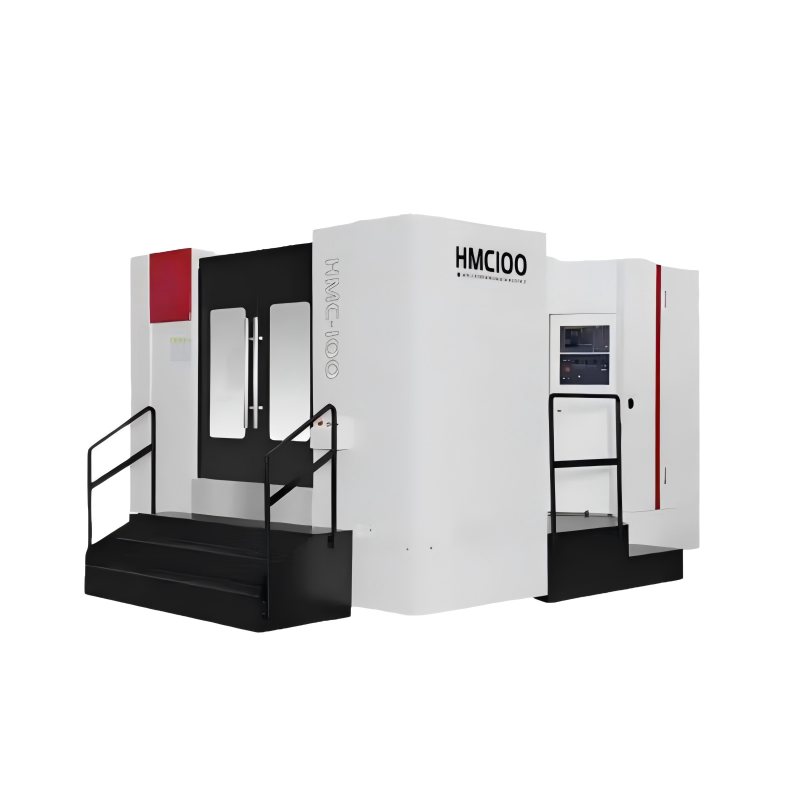
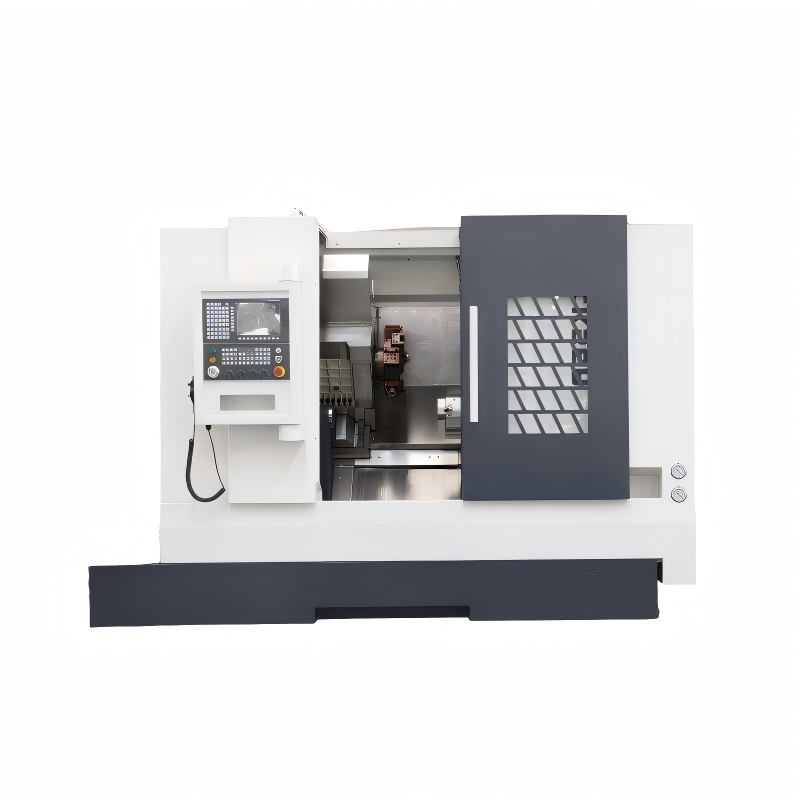
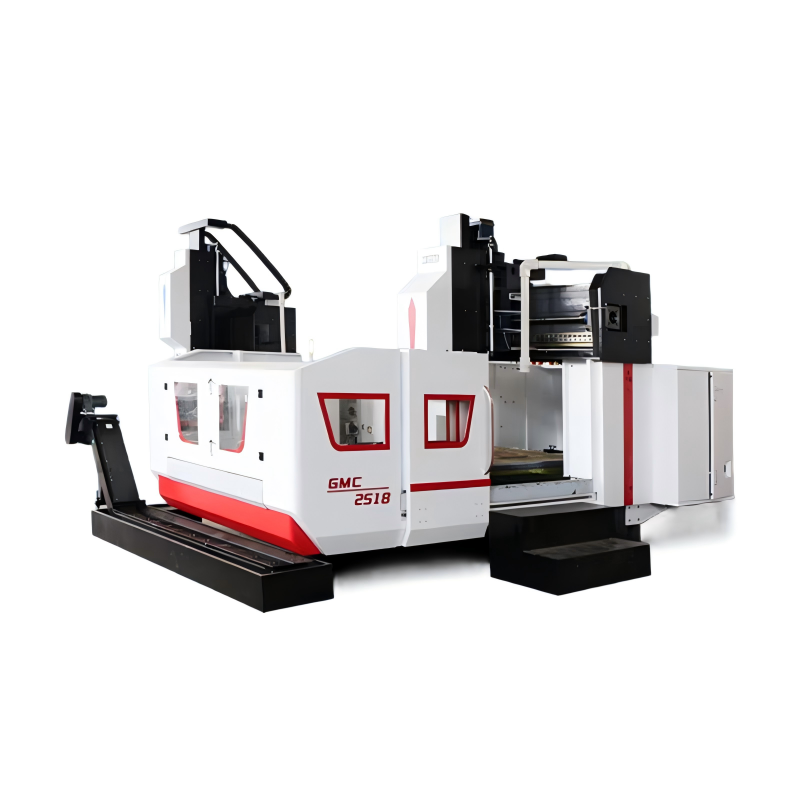
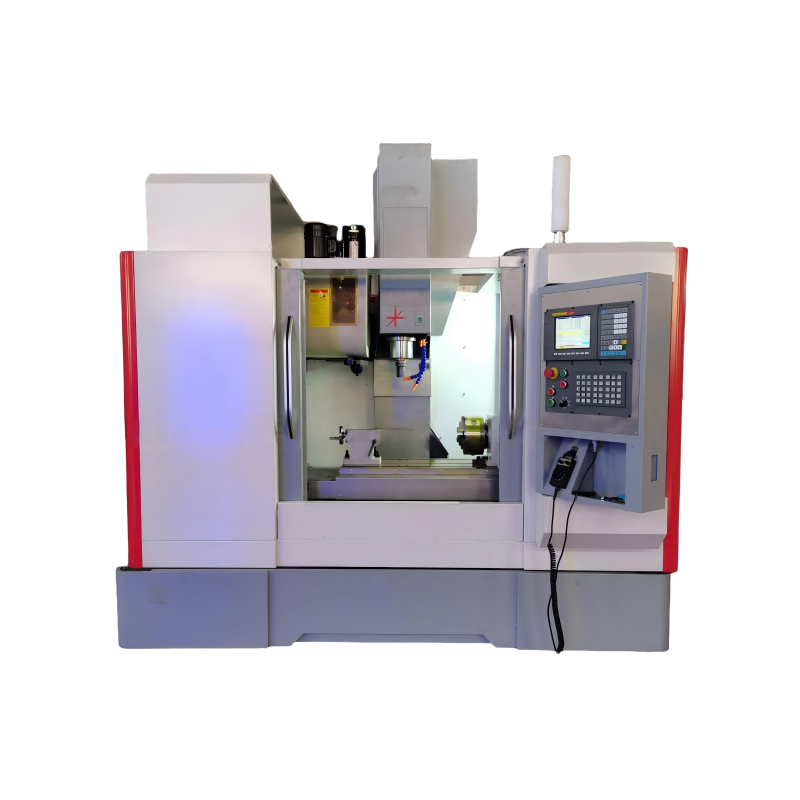
The 5 axis Vertical Machining Center represents a significant advancement in the field of precision engineering. This technology enables complex parts and components to be manufactured with an unprecedented level of accuracy, efficiency, and flexibility. Unlike traditional 3-axis machines, which are limited to moving along three linear axes (X, Y, and Z), 5 axis machines can also rotate around two additional axes (A and B or C). This expanded range of motion allows for the machining of intricate geometries and undercuts without the need for repositioning the workpiece, thereby reducing setup times and improving overall productivity.
One of the most compelling advantages of using a 5 Axis Vertical Machining Center is the enhanced precision it offers. The ability to approach the workpiece from multiple angles ensures that even the most complex designs can be executed with high accuracy. This capability is particularly valuable in industries such as aerospace, where tolerances are extremely tight and the quality of the final product is critical. The 5 axis machine's ability to maintain consistent tool paths and orientations results in superior surface finishes, reducing the need for secondary operations like hand finishing or polishing. Furthermore, the continuous cutting path allowed by 5 axis machining minimizes the risk of chatter and vibration, leading to a smoother and more precise end result.
A 5 axis vertical machining center significantly boosts productivity by reducing the number of setups required to complete a part. In conventional 3-axis machining, complex parts often need to be repositioned several times to access all sides, which can be time-consuming and introduce errors. With a 5 axis machine, the workpiece can remain fixed while the tool moves around it, accessing all necessary angles in a single setup. This not only saves time but also reduces the potential for human error, as there is no need to manually reposition the part. Additionally, the 5 axis machine's ability to perform multiple operations in one pass, such as milling, drilling, and tapping, further streamlines the production process and enhances throughput.
Another key advantage of 5 axis vertical machining centers is the increased design flexibility they offer. These machines can handle a wide range of materials and part geometries, making them ideal for both prototyping and full-scale production. The ability to machine complex shapes and features, such as those found in medical implants or automotive components, is greatly enhanced. This flexibility allows engineers and designers to push the boundaries of what is possible, creating innovative and efficient designs that would be difficult or impossible to produce with traditional 3-axis machines. The 5 axis machine's versatility also means that it can be used across various industries, from aerospace and automotive to medical and consumer goods, making it a valuable asset in any manufacturing environment.
In conclusion, the 5 axis vertical machining center is a powerful tool that brings numerous benefits to the manufacturing industry. Its enhanced precision and surface finish, increased productivity and reduced setup times, and greater design flexibility and complexity make it an indispensable asset for modern manufacturing. As technology continues to evolve, the 5 axis vertical machining center will likely play an even more crucial role in shaping the future of precision engineering. By investing in this advanced technology, manufacturers can stay competitive, improve their product quality, and meet the growing demands of a rapidly changing market.
 23/06/2026
The advent of 5 Axis Vertical Machining Centers (VMCs) has revolutionized the manufacturing industry, enabling complex and precise machining operations that were once either impossible or highly inefficient. These advanced machines are capable of performi
Read More23/06/2026In the ever-evolving landscape of manufacturing, the advent of 5 Axis Vertical Machining Centers (VMCs) has marked a significant shift towards more efficient and precise production processes. These advanced machines offer unparalleled flexibility and capa
Read More23/06/2026Introduction to 5 Axis Vertical Machining Centers The advent of the 5 axis vertical machining center has revolutionized the manufacturing industry, offering unparalleled precision and versatility. These advanced machines are designed to handle complex geo
Read MoreOur professional sales team is always ready to assist you.