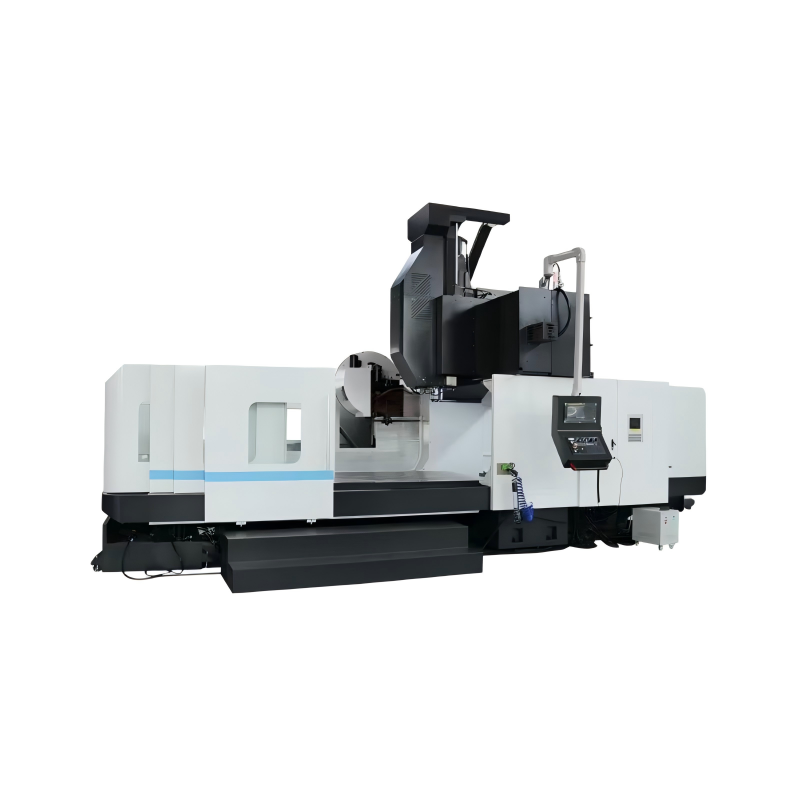
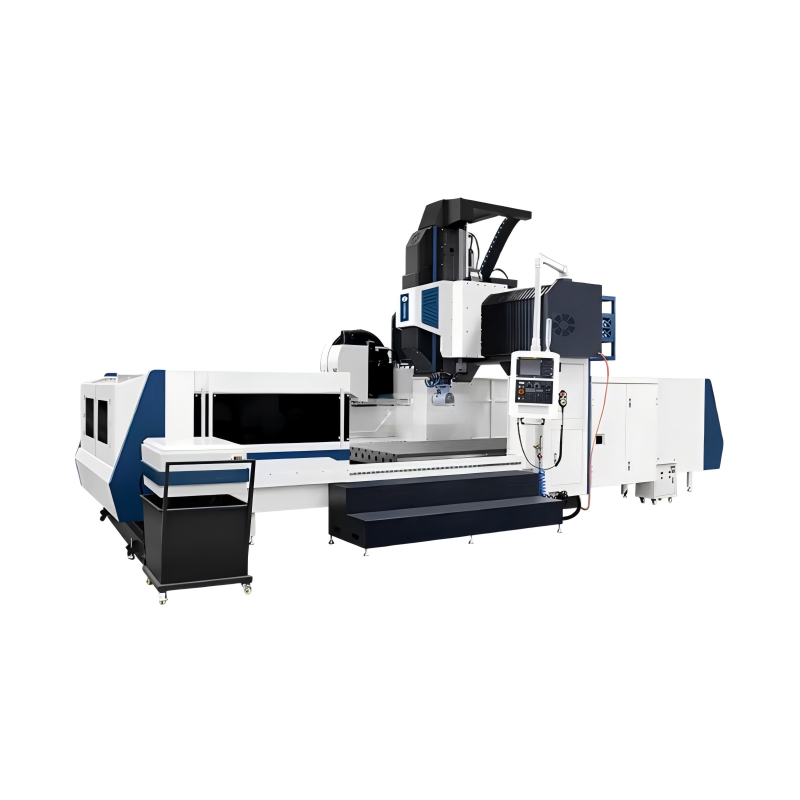
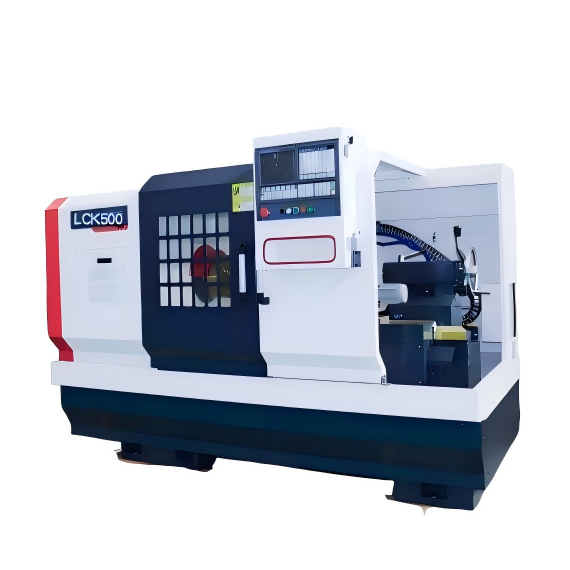
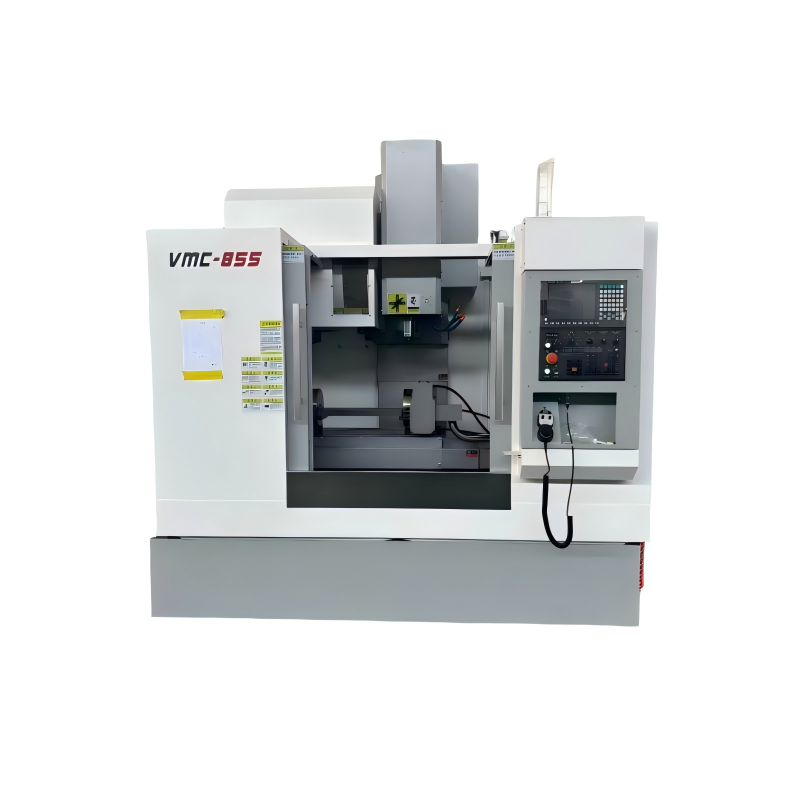
In the realm of precision machining, CNC lathes are indispensable tools that enable manufacturers to produce parts with high accuracy and efficiency. Among the different types of CNC Lathes, those equipped with hard rail systems, also known as box way lathes, stand out for their robustness and durability. This report explores the advantages of hard rail systems in CNC lathes, highlighting key aspects such as stability, longevity, and precision.
The primary advantage of a hard rail system in a CNC lathe is its enhanced stability and rigidity. Unlike linear guide rails, which are more prone to deflection under heavy loads, hard rails provide a solid foundation for the machine's moving components. The box way design, where the rails are integrated into the bed of the lathe, ensures that the tool and workpiece remain in perfect alignment, even during high-speed or high-force operations. This stability is crucial for maintaining the quality and consistency of machined parts, especially when working with materials that require high cutting forces, such as stainless steel or titanium.
Moreover, the rigid structure of the hard rail system minimizes vibrations, which can significantly affect the surface finish and dimensional accuracy of the final product. By reducing these unwanted movements, the Box way / Hard rail CNC lathe delivers superior performance, making it an ideal choice for applications that demand high precision and repeatability.
Another significant advantage of hard rail systems in CNC lathes is their exceptional longevity and durability. The box way design is inherently more resistant to wear and tear compared to other types of guide systems. The contact surfaces between the rail and the moving components are typically made from hardened steel, which provides excellent resistance to abrasion and deformation. This robust construction allows the hard rail CNC lathe to withstand the rigors of continuous, high-volume production without compromising on performance.
Additionally, the maintenance requirements for hard rail systems are relatively low. While regular lubrication is necessary to ensure smooth operation, the overall durability of the system means that it can operate for extended periods without the need for major repairs or replacements. This not only reduces downtime but also lowers the total cost of ownership over the lifespan of the machine.
Hard rail systems in CNC lathes are renowned for their ability to achieve high levels of precision and accuracy. The rigid and stable nature of the box way design ensures that the cutting tool follows the programmed path with minimal deviation. This is particularly important in industries such as aerospace, medical devices, and automotive, where even the slightest variations in part dimensions can have significant consequences.
Furthermore, the consistent and predictable behavior of the hard rail system allows for better control over the machining process. Operators can rely on the machine to maintain tight tolerances and produce parts with consistent quality, batch after batch. This reliability is a critical factor in ensuring the success of manufacturing operations, as it reduces the likelihood of rework and scrap, thereby improving overall productivity and profitability.
One of the often-overlooked advantages of hard rail systems in CNC lathes is their adaptability to a wide range of machining conditions. Whether the task involves roughing, finishing, or high-precision operations, the hard rail CNC lathe can handle it with ease. The robust design of the box way system allows the machine to perform well under various cutting conditions, including high-speed, high-torque, and high-temperature environments.
This versatility makes the hard rail CNC lathe a valuable asset for manufacturers who need to produce a diverse range of parts with varying material properties and geometric complexities. The ability to switch between different machining tasks without compromising on performance or accuracy is a testament to the flexibility and reliability of the hard rail system.
In conclusion, the advantages of hard rail systems in CNC lathes are numerous and significant. The enhanced stability and rigidity, coupled with the longevity and durability of the box way design, make these machines a preferred choice for many manufacturing applications. Additionally, the high precision and accuracy, along with the adaptability to various machining conditions, further underscore the value of hard rail CNC lathes in modern manufacturing. As technology continues to evolve, the hard rail system remains a reliable and efficient solution for achieving high-quality, precise, and consistent results in the field of precision machining.
 16/06/2026
In the realm of heavy-duty CNC lathe applications, the choice between box way and hard rail systems is a critical decision that can significantly impact the performance, durability, and overall efficiency of the machine. This technical report delves into
Read More16/06/2026In the realm of precision manufacturing, CNC lathes are indispensable tools that demand meticulous maintenance to ensure optimal performance and longevity. Among the various components of a CNC lathe, the box way, also known as the hard rail, plays a crit
Read More15/06/2026Understanding the Basics of Box Way Technology in CNC LathesIn the realm of precision machining, the choice between box way and linear guide systems for CNC lathe applications significantly impacts overall performance. Box ways, also known as box slides,
Read More15/06/2026In the world of precision manufacturing, the role of CNC lathes cannot be overstated. These machines are pivotal for producing parts with high accuracy and repeatability. Among the various components that contribute to a CNC lathe's performance, the guidi
Read More15/06/2026In the realm of modern manufacturing, precision is not just a preference but a necessity. One of the key components that ensure this precision in CNC lathes is the box way or hard rail system. This technical report aims to provide an in-depth understandin
Read MoreOur professional sales team is always ready to assist you.