In the realm of modern manufacturing, the advent of high precision Flat Bed CNC Lathes has revolutionized how industries approach machining. These advanced machines are not just a technological leap forward; they represent a significant improvement in accuracy, efficiency, and versatility, making them indispensable for a wide range of applications. This report delves into the advantages of employing high precision flat bed CNC lathes, exploring their benefits from multiple perspectives to highlight why these machines have become a cornerstone in today’s manufacturing landscape.
Enhanced Precision and Accuracy
The primary advantage of a high precision flat bed CNC Lathe lies in its ability to achieve unparalleled levels of precision and accuracy. Unlike traditional manual lathes, which rely heavily on the skill and experience of the operator, CNC (Computer Numerical Control) technology enables these machines to execute complex operations with micron-level accuracy. The use of advanced software allows for the programming of intricate designs and specifications, ensuring that each part is machined to exact dimensions. This level of precision is critical in industries such as aerospace, automotive, and medical devices, where even the slightest deviation can result in catastrophic failures or non-compliance with stringent quality standards. Furthermore, the repeatability of processes ensures that every piece produced is identical, leading to consistent quality across large production runs. This consistency not only improves product reliability but also reduces waste, as fewer parts need to be scrapped due to inaccuracies.
Increased Efficiency and Productivity
Another significant benefit of using a High precision flat bed CNC lathe is the substantial increase in efficiency and productivity it brings to the manufacturing process. These machines are designed to operate continuously, often requiring minimal supervision once the initial setup is complete. Automated tool changes, integrated coolant systems, and real-time monitoring capabilities allow for smooth, uninterrupted operation, reducing downtime and increasing throughput. Additionally, the ability to program multiple operations in a single cycle means that complex parts can be manufactured in a fraction of the time it would take using conventional methods. For example, a part that might require several setups and adjustments on a manual lathe can be completed in one go on a CNC lathe, significantly cutting down on labor costs and production time. This increased efficiency translates directly into higher output and lower per-unit costs, making high precision flat bed CNC lathes an economically viable solution for both small and large-scale production.
Versatility in Machining Capabilities
High precision flat bed CNC lathes are incredibly versatile, capable of performing a wide array of machining operations. These machines can handle a variety of materials, including metals, plastics, and composites, and can be used for turning, threading, drilling, milling, and more. The flexibility in tooling and the ability to switch between different operations without the need for retooling or machine changes make them ideal for producing a diverse range of parts. Moreover, the integration of additional features such as live tooling, Y-axis capability, and sub-spindle options further expands their functionality, allowing for the creation of more complex and intricate components. This versatility is particularly valuable in industries that require custom or specialized parts, as it enables manufacturers to adapt quickly to changing demands and produce a wide range of products without the need for multiple machines. The ability to perform multiple operations in a single setup not only saves time and resources but also ensures that the final product meets the highest standards of quality and precision.
Improved Safety and Ergonomics
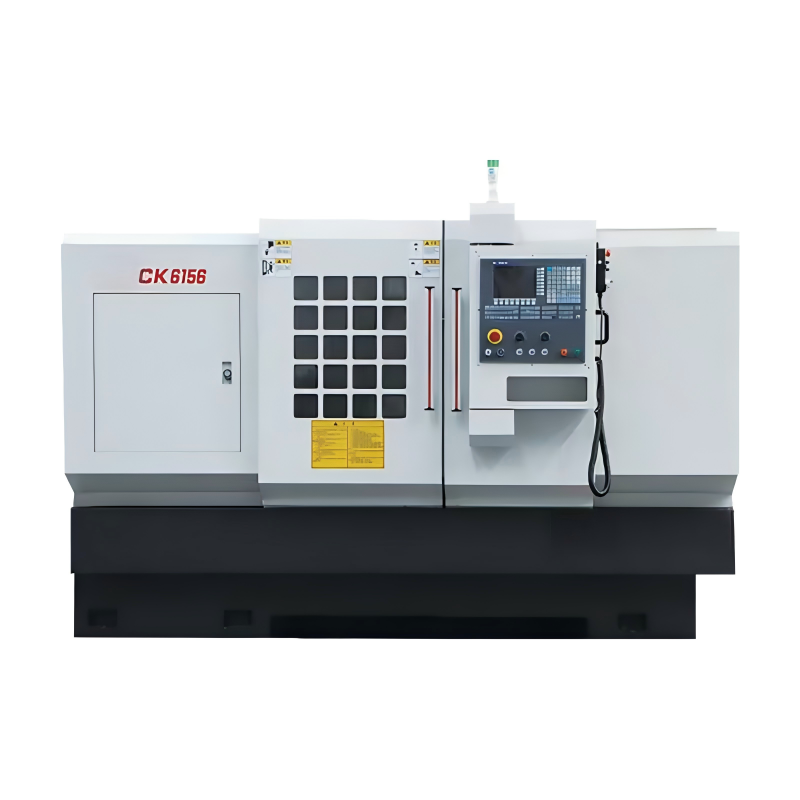
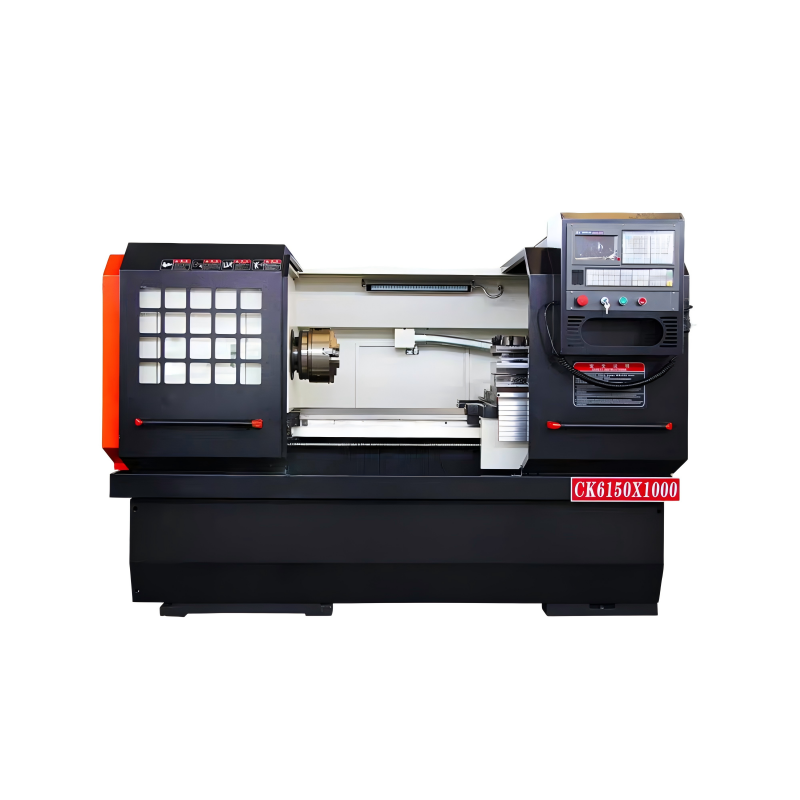
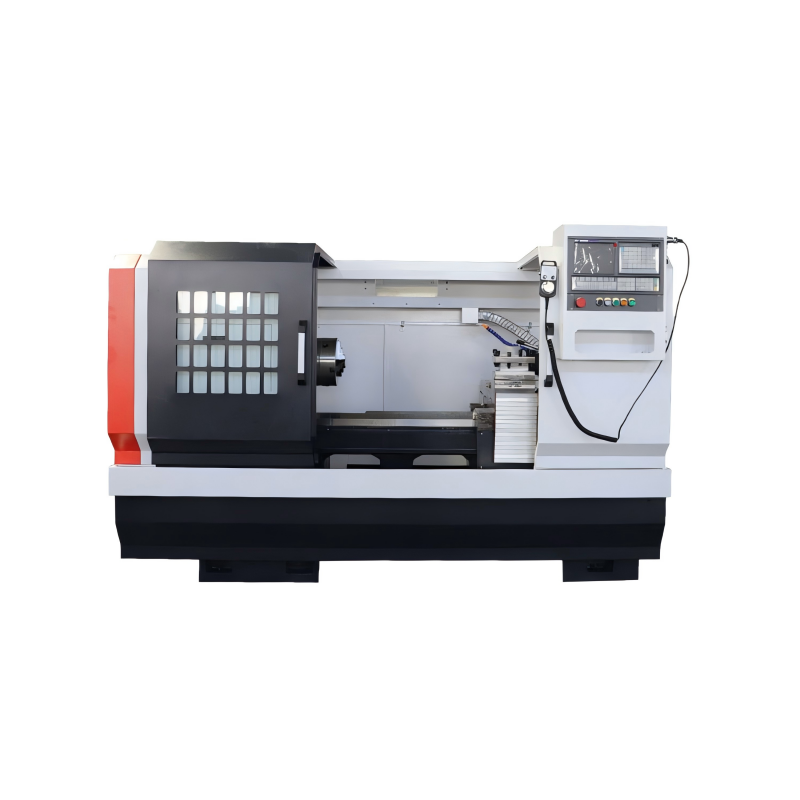
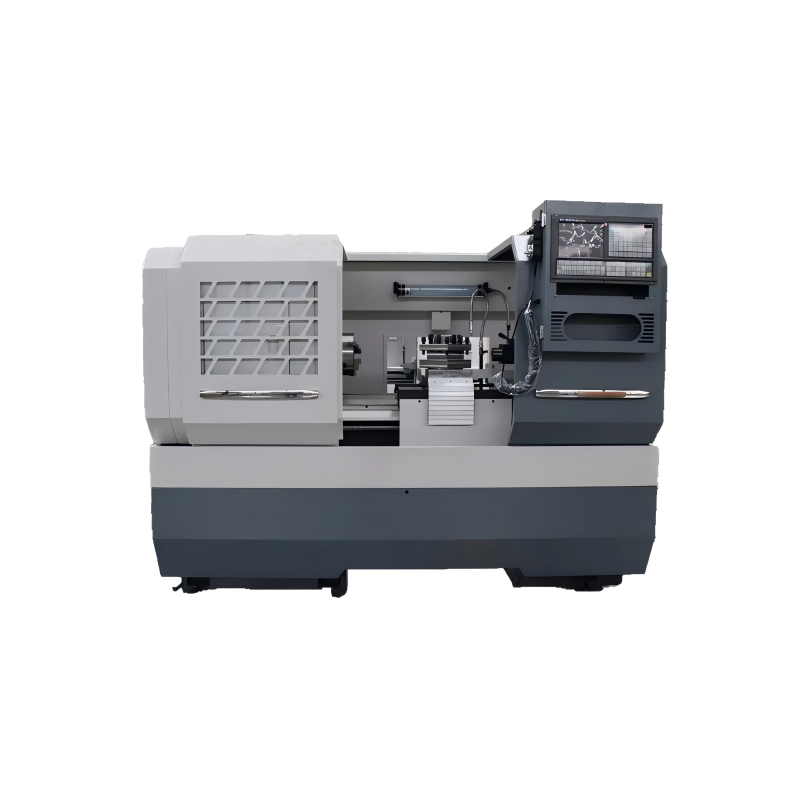
Safety and ergonomics are crucial considerations in any manufacturing environment, and high precision flat bed CNC lathes offer significant improvements in both areas. The automated nature of these machines minimizes the need for manual intervention, reducing the risk of accidents and injuries associated with operating traditional lathes. Features such as enclosed workspaces, automatic door interlocks, and emergency stop buttons provide additional layers of safety, ensuring that operators are protected during the machining process. Additionally, the ergonomic design of the control panels and user interfaces makes it easier for operators to interact with the machine, reducing the physical strain and fatigue often associated with manual machining. This improved working environment not only enhances the well-being of the workforce but also contributes to higher overall productivity and job satisfaction. By prioritizing safety and ergonomics, high precision flat bed CNC lathes create a more secure and comfortable workspace, fostering a positive and efficient manufacturing environment.
Cost-Effectiveness and Long-Term Value
While the initial investment in a high precision flat bed CNC lathe may be higher than that of a traditional manual lathe, the long-term cost-effectiveness and value it provides make it a worthwhile investment. The increased efficiency, reduced labor costs, and minimized material waste contribute to a lower total cost of ownership over the machine's lifecycle. The ability to produce high-quality parts consistently and at a faster rate leads to higher throughput and revenue, offsetting the initial capital expenditure. Additionally, the durability and reliability of these machines, combined with regular maintenance, ensure a longer operational lifespan, further enhancing their return on investment. The versatility and adaptability of high precision flat bed CNC lathes also mean that they can be used for a wide range of projects, eliminating the need for multiple specialized machines and reducing overall equipment costs. In summary, the combination of improved efficiency, reduced waste, and extended machine life makes high precision flat bed CNC lathes a cost-effective and valuable asset for any manufacturing operation.
In conclusion, the advantages of high precision flat bed CNC lathes are multifaceted, encompassing enhanced precision, increased efficiency, versatility, improved safety, and long-term cost-effectiveness. These machines have become an essential tool in modern manufacturing, driving innovation and excellence across various industries. As technology continues to advance, the capabilities of high precision flat bed CNC lathes will only continue to grow, further cementing their role as a cornerstone of precision machining.
 16/06/2026



