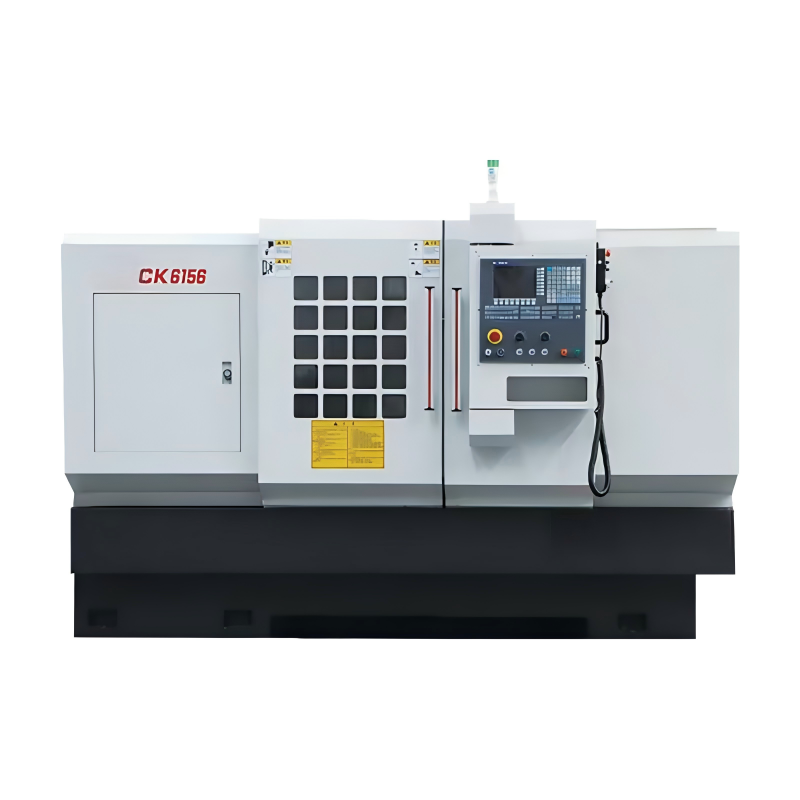
In the rapidly evolving landscape of modern manufacturing, the integration of advanced machinery plays a pivotal role in enhancing productivity and precision. One such piece of equipment that stands out is the horizontal heavy duty CNC lathe, especially those manufactured in China. This article delves into the advantages of using a Horizontal heavy duty CNC Lathe in contemporary manufacturing processes, highlighting its impact on efficiency, versatility, and cost-effectiveness.
Enhanced Precision and Consistency
The primary advantage of a Horizontal heavy duty CNC lathe lies in its ability to deliver high-precision machining. These lathes are equipped with advanced computer numerical control (CNC) systems that allow for precise control over the cutting process. The CNC technology ensures that each operation is performed with minimal error, resulting in highly accurate and consistent parts. This level of precision is particularly crucial in industries such as aerospace, automotive, and medical devices, where even the slightest deviation can have significant consequences.
Moreover, the use of CNC technology enables the programming of complex geometries and intricate designs. This capability allows manufacturers to produce parts with tight tolerances and fine finishes, which would be challenging or impossible to achieve with manual lathes. The repeatability of these operations further enhances the consistency of the final products, ensuring that each part meets the required specifications.
Increased Productivity and Efficiency
Another key benefit of the Horizontal heavy duty CNC lathe is its contribution to increased productivity and efficiency in the manufacturing process. These lathes are designed to handle large and heavy workpieces, making them ideal for industrial applications. The robust construction and powerful motors enable the machine to operate at high speeds and with significant force, allowing for faster material removal and shorter cycle times.
Additionally, the automation features of CNC lathes significantly reduce the need for manual intervention. Operators can program the machine to perform multiple operations in a single setup, eliminating the need for frequent tool changes and repositioning of the workpiece. This not only saves time but also reduces the likelihood of human error, further enhancing the overall efficiency of the production process.
Cost-Effective and Versatile Solutions
While the initial investment in a Horizontal heavy duty CNC lathe may be higher compared to traditional lathes, the long-term cost savings and versatility make it a worthwhile investment. These lathes are capable of performing a wide range of operations, including turning, facing, threading, and drilling, all within a single setup. This multifunctionality reduces the need for additional machines, thereby saving floor space and reducing capital expenditure.
Furthermore, the reduced setup times and increased productivity contribute to lower operational costs. The ability to run unattended for extended periods, coupled with the reduced need for skilled labor, results in significant cost savings over time. Additionally, the high precision and consistency of the parts produced by these lathes can lead to fewer rejections and scrap, further reducing waste and associated costs.
Conclusion
The Horizontal heavy duty CNC lathe, particularly those manufactured in China, offers numerous advantages in modern manufacturing. From enhanced precision and consistency to increased productivity and cost-effectiveness, these lathes are a valuable asset for any manufacturing facility. As the demand for high-quality, precision-engineered components continues to grow, the adoption of such advanced machinery will be essential for maintaining a competitive edge in the global market.

 15/06/2026



