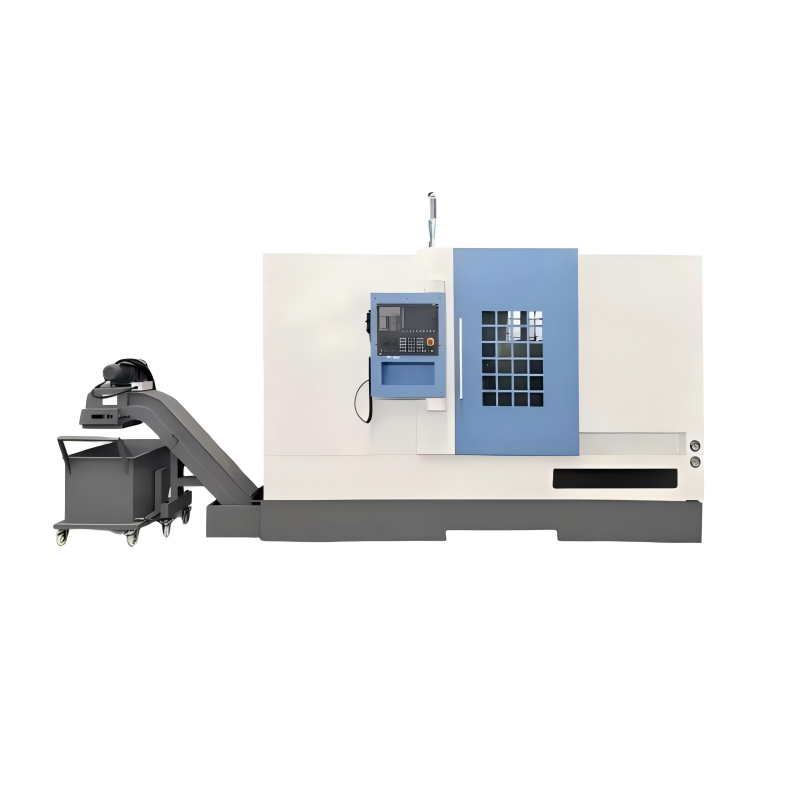
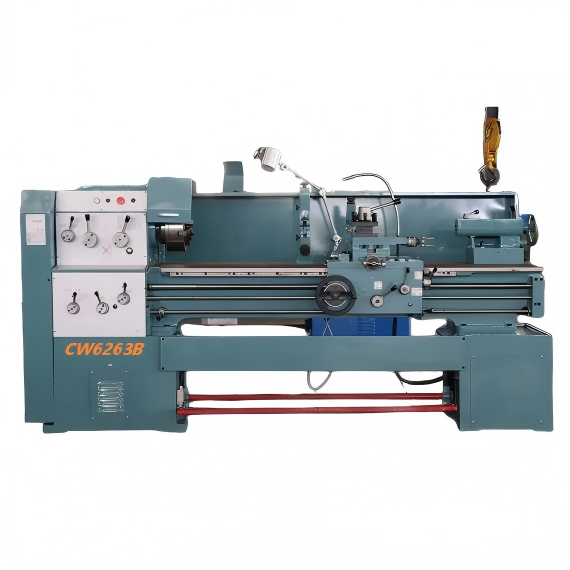
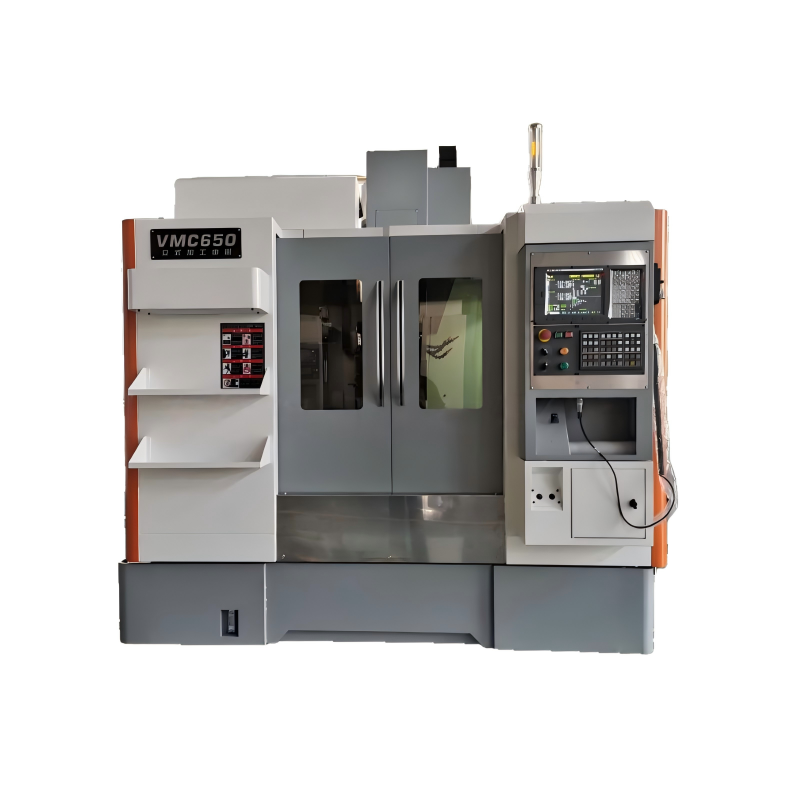
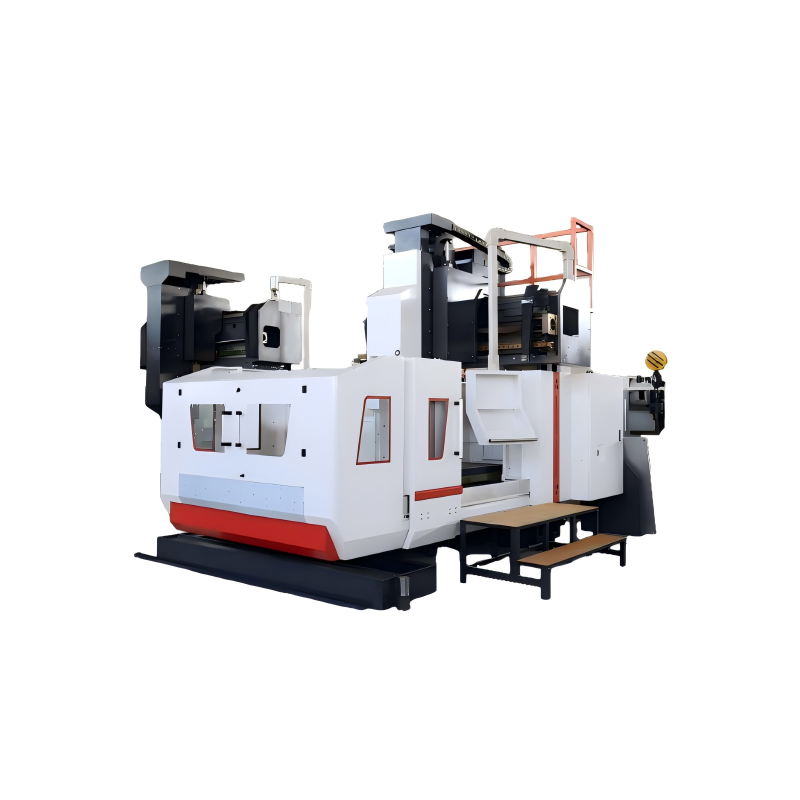
In the realm of modern manufacturing, the heavy duty CNC lathe has emerged as an indispensable tool for precision machining. This article delves into the capabilities and applications of a heavy duty CNC Lathe, exploring its role in enhancing production efficiency, accuracy, and versatility. By examining the technological advancements and practical uses, we aim to provide a comprehensive understanding of how this machinery contributes to today's industrial landscape.
Enhanced Precision and Accuracy
The advent of Heavy duty CNC Lathes has revolutionized the way parts are machined, offering unparalleled precision and accuracy. These machines utilize advanced computer numerical control (CNC) systems that allow for the precise execution of complex operations. The ability to program and control the lathe through software means that even the most intricate designs can be replicated with minimal error. This level of precision is crucial in industries such as aerospace, automotive, and medical, where tolerances are extremely tight and failure is not an option.
Moreover, the use of high-precision sensors and feedback mechanisms ensures that the machine maintains consistent performance throughout the machining process. This consistency is vital for maintaining quality standards and reducing the need for rework, which ultimately leads to cost savings and increased productivity.
Increased Productivity and Efficiency
One of the key advantages of a heavy duty CNC lathe is its ability to significantly increase productivity and efficiency in the manufacturing process. Unlike traditional lathes, which require manual setup and operation, CNC lathes can be programmed to perform multiple operations automatically. This automation not only reduces the time required for setup but also minimizes the potential for human error.
Additionally, these machines often come equipped with features such as automatic tool changers and multi-axis capabilities, allowing for the completion of complex parts in a single setup. This capability, known as "one-hit" machining, greatly reduces the overall production time and improves the workflow. Furthermore, the ability to run unattended or with minimal supervision allows for continuous operation, further boosting productivity.
Versatility in Material and Part Size
A heavy duty CNC lathe is designed to handle a wide range of materials and part sizes, making it an incredibly versatile tool in the manufacturing industry. Whether working with metals like steel, aluminum, and titanium, or non-metals such as plastics and composites, these machines can adapt to the specific requirements of each material. This versatility is particularly valuable in industries that require the processing of diverse materials, such as automotive and aerospace.
Furthermore, the robust construction of a heavy duty CNC lathe enables it to handle large and heavy workpieces. This capability is essential for industries that produce large components, such as wind turbine shafts or engine blocks. The ability to machine such large parts without compromising on precision or quality is a testament to the engineering prowess of these machines.
In conclusion, the heavy duty CNC lathe plays a pivotal role in modern manufacturing by providing enhanced precision, increased productivity, and versatility in material and part size. As technology continues to advance, the capabilities of these machines will only continue to grow, further cementing their importance in the industrial landscape.