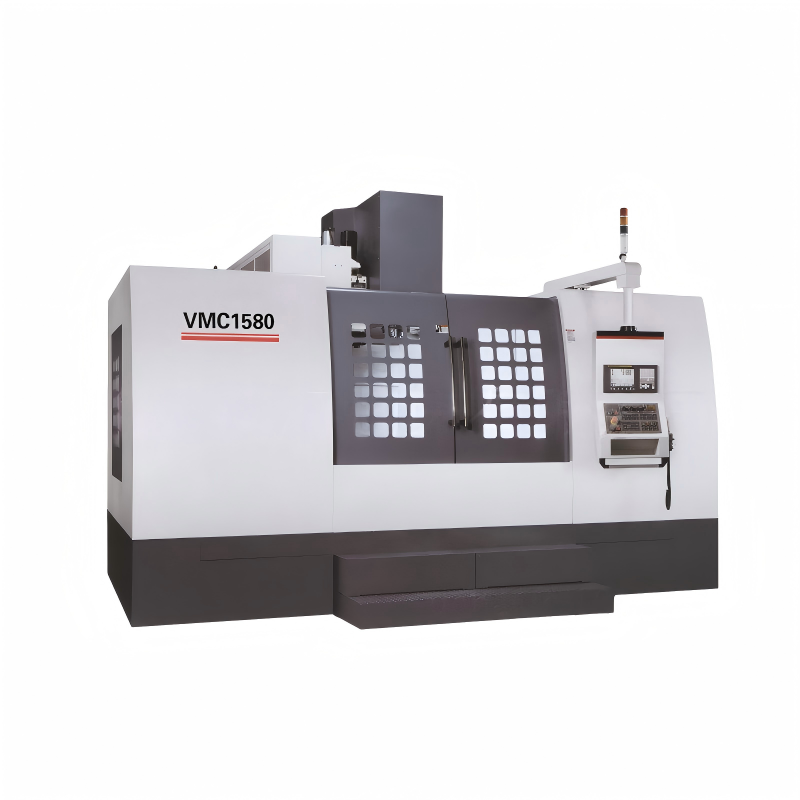
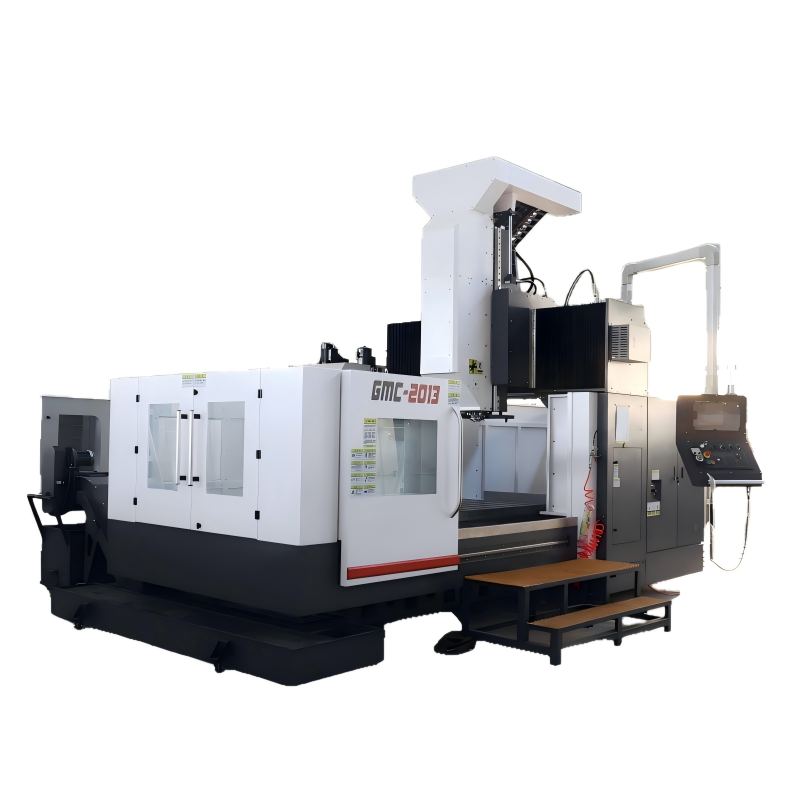
A Gantry Machining Center, also known as a bridge-type machining center, represents one of the most advanced and versatile types of CNC (Computer Numerical Control) machines available today. These machines are characterized by their large work envelope, which allows for the processing of extremely large and heavy parts, making them indispensable in industries such as aerospace, shipbuilding, and heavy machinery manufacturing. The unique design of the Gantry Machining Center enables it to deliver high precision, stability, and efficiency, even when working with challenging materials or complex geometries.
The adoption of modern gantry machining centers has revolutionized precision engineering by significantly enhancing the accuracy and repeatability of manufactured components. One of the key features contributing to this advancement is the robust construction of these machines, featuring a rigid frame that minimizes vibrations during operation. This structural integrity ensures that the machine maintains its alignment over long periods, leading to consistent part quality. Additionally, advanced control systems and software enable operators to program highly complex operations, allowing for the production of intricate parts with minimal human intervention. Furthermore, the integration of multi-axis capabilities within a Gantry Machining Center expands its application range, supporting 5-axis machining for achieving superior surface finishes and handling more sophisticated designs.
Recent technological advancements have further propelled the capabilities of gantry machining centers, setting new standards in performance and productivity. A notable innovation is the incorporation of linear motors instead of traditional ball screws for axis movement. Linear motors offer several advantages, including higher acceleration and deceleration rates, smoother motion, and reduced wear and tear, all of which contribute to increased machine lifespan and lower maintenance costs. Another significant development is the use of intelligent sensors and monitoring systems, which can detect and adjust for deviations in real-time, ensuring optimal performance throughout the machining process. Moreover, the trend towards Industry 4.0 principles, such as connectivity and data analytics, is transforming how these machines operate, enabling predictive maintenance and more efficient resource utilization. Such innovations not only improve the operational efficiency of a Gantry Machining Center but also enhance its ability to meet the evolving demands of modern manufacturing environments.
Despite their numerous benefits, the implementation of gantry machining centers does come with certain challenges. One of the primary concerns is the substantial initial investment required, both in terms of the machine cost and the necessary infrastructure, such as reinforced floors and adequate space. However, the long-term return on investment (ROI) often justifies this expenditure, especially given the increased throughput and reduced scrap rates associated with these machines. Another challenge lies in the skill level required to operate and maintain such sophisticated equipment. To address this, manufacturers are increasingly offering comprehensive training programs and support services, helping to bridge the skills gap and ensure smooth operation. Additionally, advancements in user-friendly interfaces and automation technologies are making it easier for less experienced operators to manage these systems effectively. By overcoming these hurdles, companies can fully leverage the potential of a Gantry Machining Center, driving innovation and competitiveness in their respective fields.
As we look to the future, it's clear that gantry machining centers will continue to play a pivotal role in shaping the landscape of advanced manufacturing. With ongoing developments in technology, such as artificial intelligence, robotics, and additive manufacturing, there is enormous potential for these machines to become even more integrated, efficient, and versatile. For instance, the combination of subtractive and additive processes within a single Gantry Machining Center could open up new possibilities for hybrid manufacturing, enabling the creation of parts with unprecedented complexity and functionality. Moreover, the push towards sustainability and energy efficiency is likely to drive further improvements in the design and operation of these machines, making them not only more productive but also environmentally friendly. In conclusion, the evolution of gantry machining centers promises to be an exciting journey, filled with opportunities for those willing to embrace the latest in manufacturing technology.
Our professional sales team is always ready to assist you.