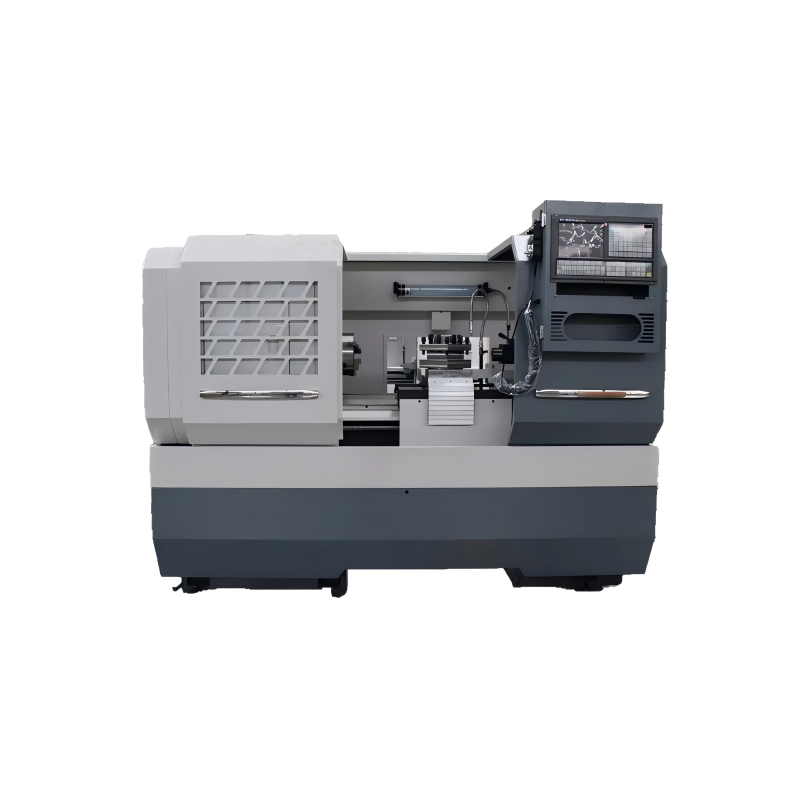
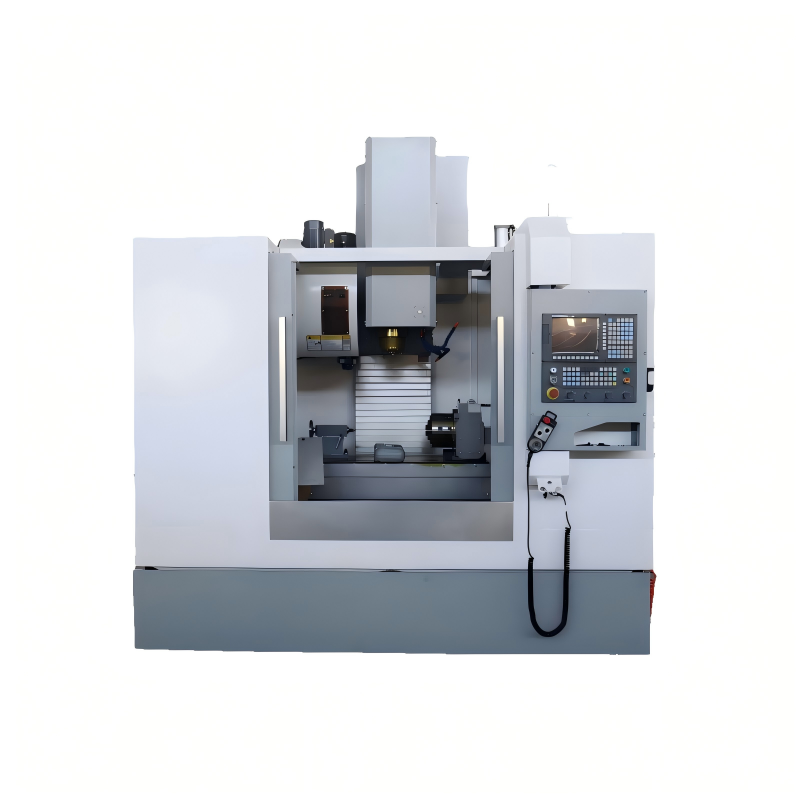
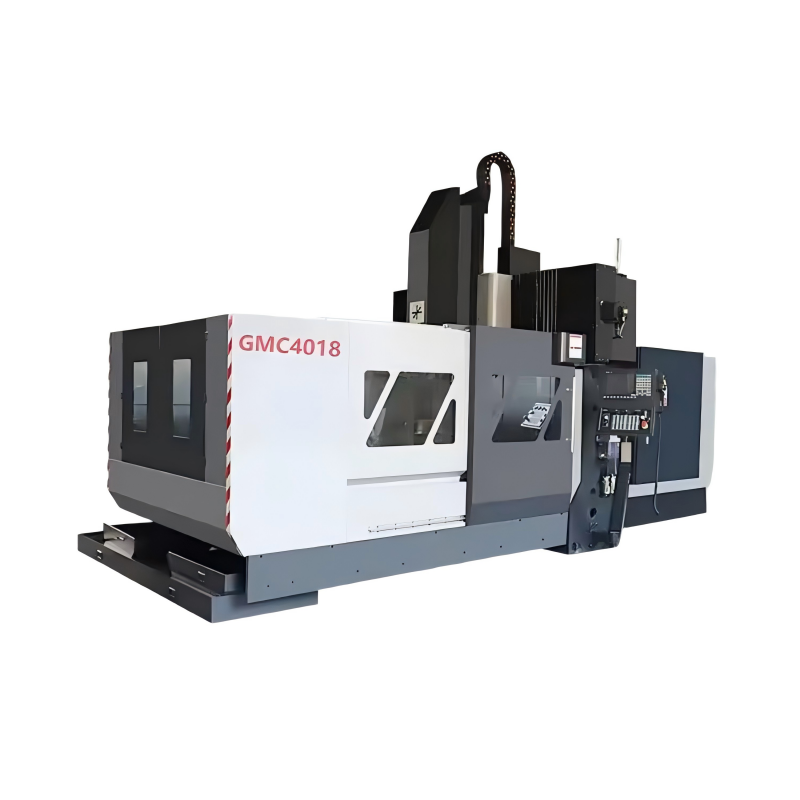
CNC milling centers, also known as Computer Numerical Control milling machines, are an essential part of modern manufacturing. These machines use computerized controls to manage and operate the machining process, allowing for high precision and efficiency in the production of parts. Before delving into CNC Milling Center Price, it's important to understand the fundamental components and operations that make up these sophisticated pieces of equipment. A typical CNC milling center consists of a spindle, tool changer, worktable, and control system. The integration of these elements allows for the automated cutting, drilling, and shaping of materials like metal, plastic, and wood, according to programmed instructions.
The initial cost of acquiring a CNC milling center is one of the most significant factors in determining its overall price. This cost includes not only the purchase price of the machine itself but also additional expenses such as installation, training, and any necessary modifications to the facility. High-end models with advanced features, larger working envelopes, and more powerful spindles will naturally command higher prices. Additionally, the brand and reputation of the manufacturer play a crucial role in setting the price point. Established brands often come with a premium due to their proven reliability, performance, and after-sales support.
Another aspect to consider is the level of customization required. Custom-built CNC milling centers, tailored to specific industrial needs, can be significantly more expensive than off-the-shelf models. However, this customization can lead to increased productivity and efficiency, potentially justifying the higher upfront cost over time.
Beyond the initial investment, the ongoing operational costs of a CNC milling center are another critical factor in its total cost. These costs include electricity, maintenance, and consumables. Modern CNC milling centers are designed to be energy-efficient, but the power consumption can still vary widely depending on the machine's size, capacity, and usage patterns. Regular maintenance, including lubrication, cleaning, and replacement of worn parts, is essential to ensure the longevity and optimal performance of the machine. Neglecting maintenance can lead to unexpected downtime and costly repairs.
Consumables, such as cutting tools, coolant, and lubricants, also contribute to the operational costs. The quality and type of these consumables can affect both the performance and the lifespan of the machine. High-quality tools and fluids, while more expensive, can reduce wear and tear and extend the intervals between replacements, ultimately saving money in the long run.
Advancements in technology have a profound impact on the pricing of CNC milling centers. Newer models often incorporate state-of-the-art features such as multi-axis capabilities, advanced software, and integrated automation systems. These technological enhancements can significantly increase the price of the machine but also offer substantial benefits in terms of speed, accuracy, and versatility. For example, 5-axis CNC milling centers, which can move along five different axes, provide greater flexibility and can handle complex geometries that would be difficult or impossible to achieve with a 3-axis machine.
Software is another key area where technological advancements drive pricing. Modern CNC milling centers come equipped with sophisticated software that can optimize tool paths, reduce material waste, and improve overall efficiency. Some manufacturers also offer proprietary software solutions that integrate seamlessly with their machines, providing a comprehensive and user-friendly experience. While these software packages can add to the initial cost, they can also enhance the machine's capabilities and streamline the production process, leading to cost savings over time.
The global market for CNC milling centers is influenced by various economic and industry-specific trends. Fluctuations in raw material prices, changes in trade policies, and shifts in demand can all impact the pricing of these machines. For instance, if the cost of raw materials such as steel and aluminum increases, the price of CNC milling centers may also rise. Similarly, changes in import and export regulations, tariffs, and currency exchange rates can affect the cost of importing machinery from foreign manufacturers.
Economic conditions, such as recessions or periods of rapid growth, can also influence the demand for CNC milling centers. During economic downturns, businesses may delay or reduce their investments in new equipment, leading to a decrease in demand and potentially lower prices. Conversely, during times of economic expansion, there may be a surge in demand, driving up prices. Additionally, the competitive landscape within the industry can impact pricing. As more manufacturers enter the market, competition may lead to more affordable options, while consolidation among major players can result in higher prices due to reduced competition.
In conclusion, the CNC Milling Center Price is influenced by a multitude of factors, including initial investment, operational costs, technological advancements, and market trends. When selecting a CNC milling center, it is crucial to consider not only the upfront cost but also the long-term value and return on investment. By carefully evaluating these factors, businesses can make informed decisions that align with their budget and production requirements, ensuring that they get the best possible value from their investment in CNC technology.
 25/06/2026
Understanding the Technical Specifications and Capabilities of a CNC Milling CenterA CNC milling center is a highly versatile machine, capable of performing a wide range of machining operations. When considering the CNC Milling Center Price, it's essentia
Read MoreOur professional sales team is always ready to assist you.