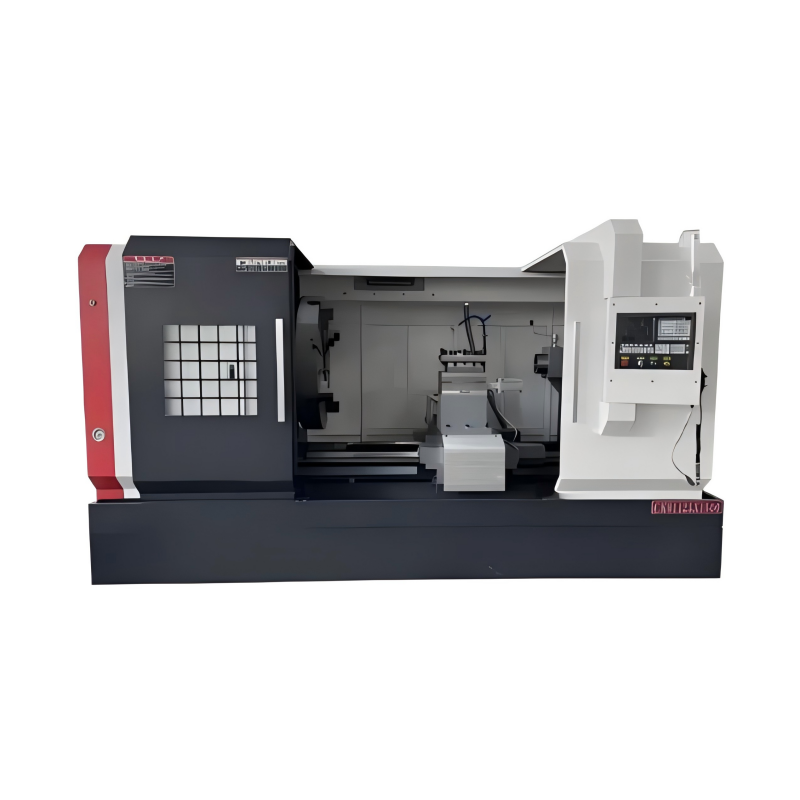
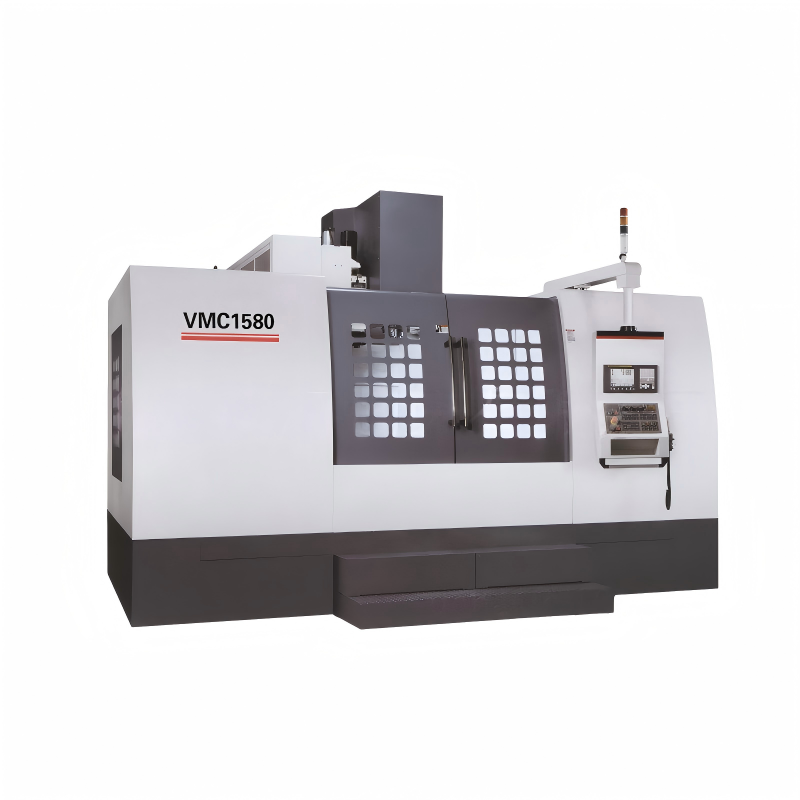
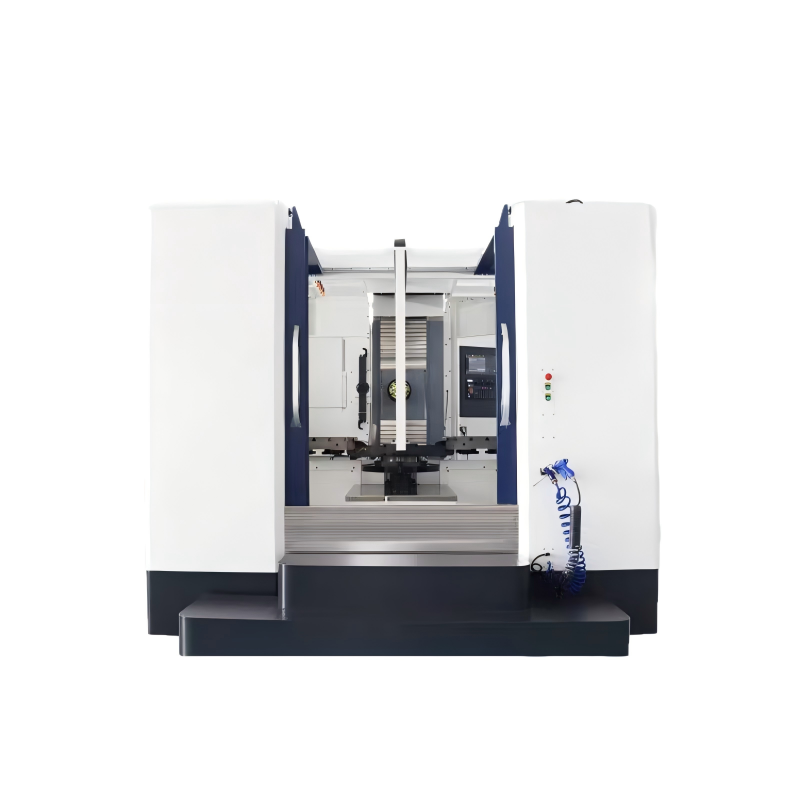
The advent of 2 Axis CNC Lathe technology has revolutionized the manufacturing industry, offering unparalleled precision and efficiency. This report delves into the intricacies of 2 Axis CNC Lathes, exploring their capabilities, applications, and the advantages they bring to modern manufacturing processes.
A 2 Axis CNC Lathe is a computer-controlled machine tool that operates along two primary axes: the X-axis (horizontal) and the Z-axis (vertical). These lathes are designed to perform turning operations, such as cutting, drilling, and threading, with high precision and repeatability. The control system of a 2 Axis CNC Lathe is programmed using G-code, which dictates the movement and actions of the machine. This allows for the creation of complex and intricate parts with minimal human intervention.
One of the key features of 2 Axis CNC Lathes is their ability to maintain consistent accuracy over long production runs. The use of advanced sensors and feedback mechanisms ensures that the machine can adjust its movements in real-time, compensating for any deviations and maintaining the desired tolerances. This level of precision is crucial in industries where even the slightest error can lead to significant quality issues, such as aerospace, automotive, and medical device manufacturing.
2 Axis CNC Lathes offer several advantages that make them indispensable in modern manufacturing. One of the most significant benefits is their ability to produce parts with high precision and consistency. The automated nature of these machines eliminates the variability associated with manual machining, ensuring that each part meets the exact specifications required. This not only improves the overall quality of the final product but also reduces the need for rework and scrap, leading to cost savings and increased productivity.
Another advantage of 2 Axis CNC Lathes is their versatility. These machines can be used to manufacture a wide range of parts, from simple cylindrical components to more complex geometries. By changing the tooling and programming, manufacturers can quickly adapt the lathe to different production needs, making it a flexible solution for various applications. Additionally, the integration of 2 Axis CNC Lathes with other manufacturing systems, such as robotic arms and automated material handling, further enhances their efficiency and capability.
Furthermore, 2 Axis CNC Lathes contribute to the overall sustainability of manufacturing processes. The precise control and efficient use of materials reduce waste and energy consumption. Advanced software and monitoring systems allow for real-time optimization of the machining process, ensuring that resources are used in the most effective manner. This not only helps in reducing the environmental impact but also aligns with the growing demand for sustainable manufacturing practices.
While 2 Axis CNC Lathes offer numerous benefits, there are also challenges that manufacturers may face when implementing these machines. One of the primary challenges is the initial investment cost. High-precision 2 Axis CNC Lathes can be expensive, and the cost of training operators and integrating the machine into existing production lines can add to the overall expense. However, the long-term benefits, such as increased productivity and reduced scrap, often outweigh the initial costs.
Another challenge is the need for skilled operators and programmers. 2 Axis CNC Lathes require a deep understanding of G-code programming and the ability to troubleshoot and optimize the machining process. Training programs and continuous education are essential to ensure that the workforce is equipped with the necessary skills to operate and maintain these machines effectively.
Finally, the maintenance and upkeep of 2 Axis CNC Lathes are critical to their performance and longevity. Regular maintenance, including lubrication, calibration, and replacement of worn-out parts, is necessary to prevent downtime and ensure consistent operation. Manufacturers can mitigate these challenges by investing in robust maintenance programs and working with experienced suppliers who can provide ongoing support and service.
In conclusion, the 2 Axis CNC Lathe plays a vital role in modern manufacturing, offering precision, versatility, and efficiency. While there are challenges in implementation, the benefits of using these machines far outweigh the drawbacks. As technology continues to advance, the capabilities of 2 Axis CNC Lathes will only continue to improve, making them an indispensable tool for manufacturers looking to stay competitive in the global market.
 22/06/2026
In the realm of manufacturing, the advent of 2 Axis CNC Lathes has marked a significant turning point, especially for small-scale production. These machines, which stand out due to their precision and efficiency, are transforming how businesses approach t
Read More22/06/2026The advent of 2 Axis CNC Lathe technology has revolutionized the manufacturing industry, offering unparalleled precision and efficiency in the production of cylindrical parts. This report delves into the fundamentals of 2 Axis CNC Lathes, their advantages
Read MoreOur professional sales team is always ready to assist you.