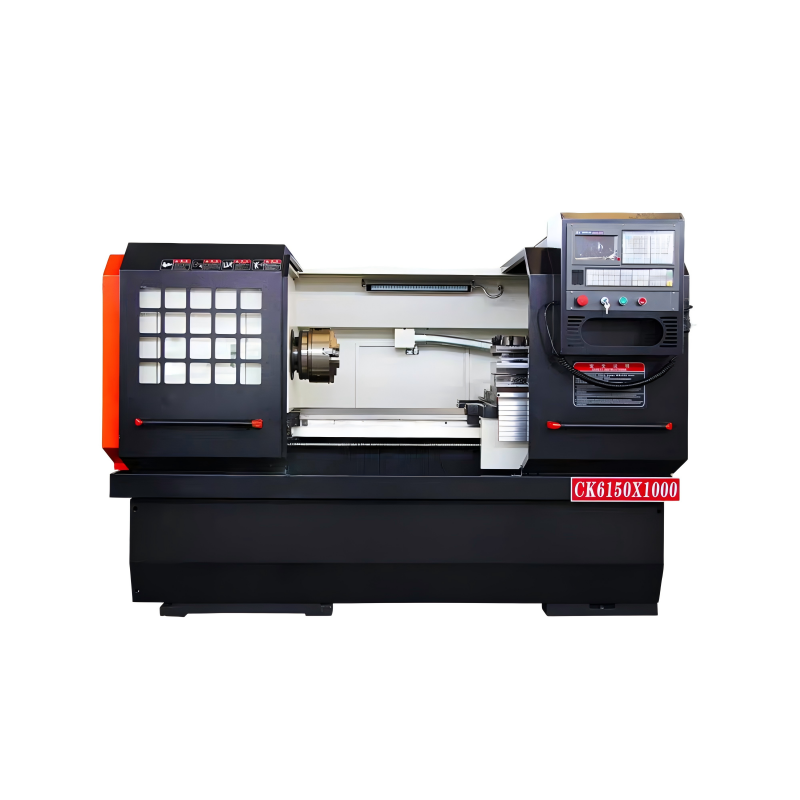
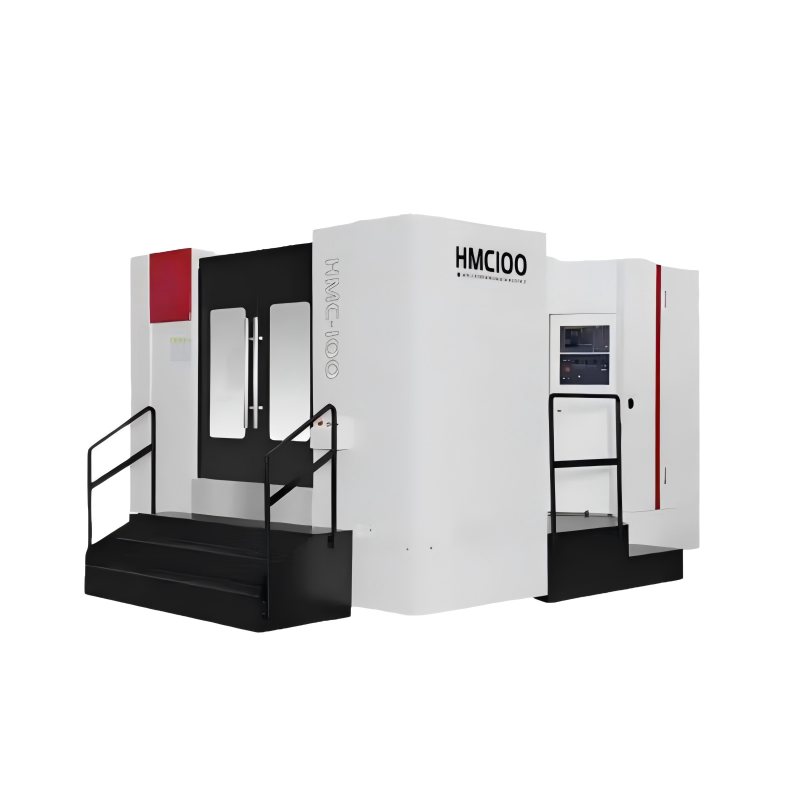
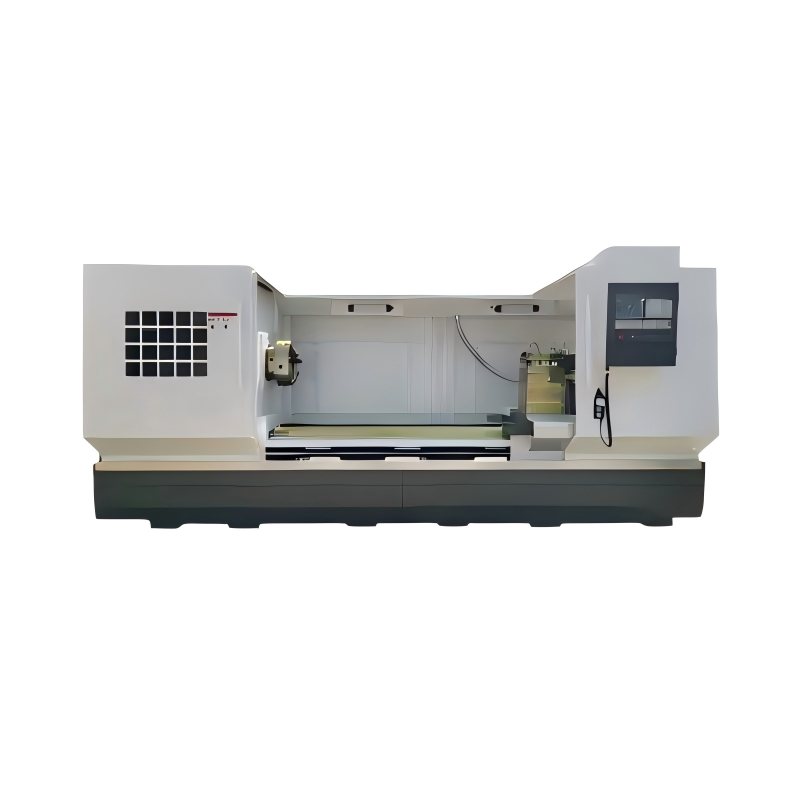
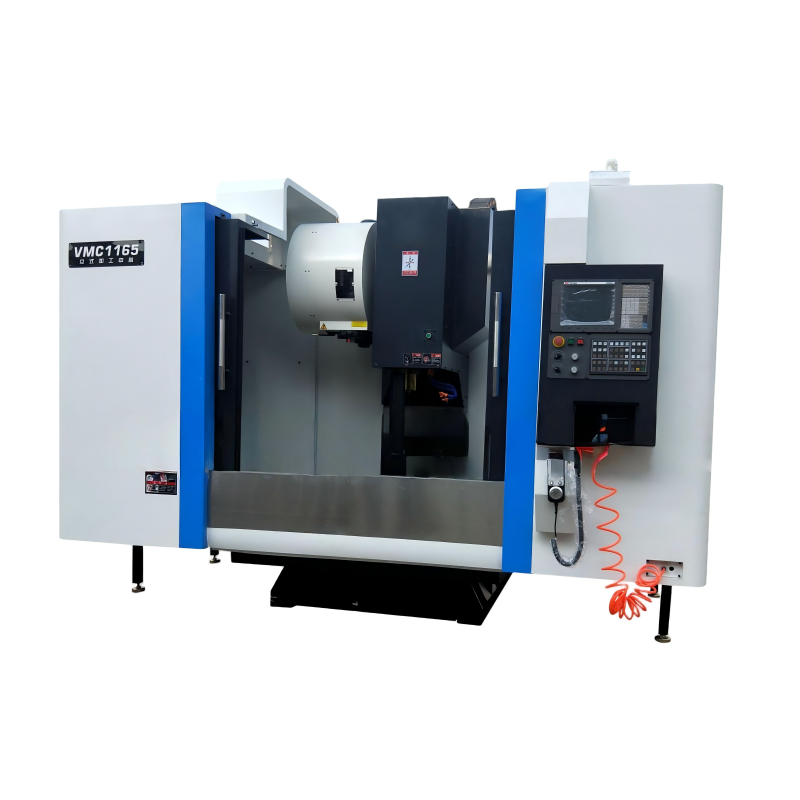
In the realm of modern manufacturing, precision and efficiency are paramount. One technology that significantly contributes to achieving these goals is the Vertical Machining Center (VMC) equipped with linear guideways. This report delves into how VMCs, particularly those utilizing linear guideways, have become indispensable in today’s manufacturing processes. We will explore their role, benefits, and the transformative impact they bring to the industry.
The incorporation of linear guideways in VMCs represents a significant leap forward in machining accuracy. Linear guideways, or linear guides, are designed to provide smooth, precise, and repeatable motion along a single axis. These components consist of a rail and a block, where the block slides along the rail with minimal friction. The design ensures that the moving parts of the machine, such as the spindle and table, can move with high precision and stability.
One of the key advantages of using linear guideways in VMCs is the reduction of backlash and vibration. Backlash, which is the play between the moving parts, can lead to inaccuracies in machining. By minimizing this, linear guideways help maintain the tight tolerances required in many manufacturing applications. Additionally, the low-friction design of these guideways reduces wear and tear, leading to longer machine life and reduced maintenance costs.
Another benefit is the ability to achieve higher speeds and accelerations. Traditional VMCs often use box ways, which, while robust, can be limited in terms of speed due to higher friction. Linear guideways, on the other hand, allow for faster and more efficient movements, thereby increasing productivity. This is particularly important in industries where high throughput and short cycle times are critical, such as automotive and aerospace manufacturing.
The use of VMCs with linear guideways has a profound impact on the overall efficiency and productivity of manufacturing operations. One of the primary ways this is achieved is through the reduction of setup and changeover times. Linear guideways enable rapid and accurate positioning, which means that operators can quickly reconfigure the machine for different tasks. This flexibility is crucial in environments where multiple products or components need to be machined on the same machine.
Furthermore, the enhanced precision and stability provided by linear guideways result in fewer rejects and rework. In traditional machining, even minor deviations can lead to significant quality issues, necessitating additional time and resources to correct. With linear guideways, the consistency of the machining process is greatly improved, leading to higher first-pass yields and lower scrap rates. This not only saves time but also reduces material waste, contributing to a more sustainable manufacturing process.
Additionally, the integration of advanced control systems and automation technologies with VMCs equipped with linear guideways further enhances productivity. These systems can optimize tool paths, monitor machine performance in real-time, and even predict maintenance needs. This level of automation and data-driven decision-making is essential for maintaining high levels of efficiency and competitiveness in the global market.
While VMCs with linear guideways offer numerous advantages, there are also challenges that need to be addressed. One of the main concerns is the initial cost of implementing these systems. High-precision linear guideways and the associated control systems can be expensive, which may be a barrier for some manufacturers, especially small and medium-sized enterprises (SMEs). However, the long-term benefits, such as reduced maintenance costs and increased productivity, often justify the investment.
Another challenge is the need for skilled operators and technicians who can effectively manage and maintain these advanced machines. Training programs and ongoing support from equipment suppliers are essential to ensure that the workforce is well-equipped to handle the new technology. Additionally, as the complexity of VMCs increases, so does the importance of robust cybersecurity measures to protect against potential threats.
Looking ahead, the future of VMCs with linear guideways is promising. Advancements in materials science, such as the development of new lubricants and coatings, are expected to further reduce friction and extend the lifespan of these components. Moreover, the integration of artificial intelligence (AI) and machine learning (ML) algorithms will enable predictive maintenance and real-time optimization, making the manufacturing process even more efficient and reliable.
In conclusion, VMCs equipped with linear guideways are playing a pivotal role in modern manufacturing. They enhance precision, improve efficiency, and address key challenges in the industry. As technology continues to evolve, these machines will remain at the forefront of innovation, driving the next generation of manufacturing excellence.
 23/06/2026
Linear guideways play a crucial role in the precision and performance of Vertical Machining Centers (VMCs). As manufacturing industries continue to demand higher accuracy, faster processing speeds, and longer machine life, the enhancements made to linear
Read More23/06/2026Understanding the Role of Linear Guideways in VMCsIn the realm of precision engineering, the Vertical Machining Center (VMC) stands out as a versatile and indispensable tool. A key component contributing to its accuracy and efficiency is the linear guidew
Read More23/06/2026The evolution of manufacturing technologies has led to significant improvements in the efficiency, precision, and durability of machining processes. One such advancement is the integration of linear guideways into Vertical Machining Centers (VMCs). This t
Read MoreOur professional sales team is always ready to assist you.