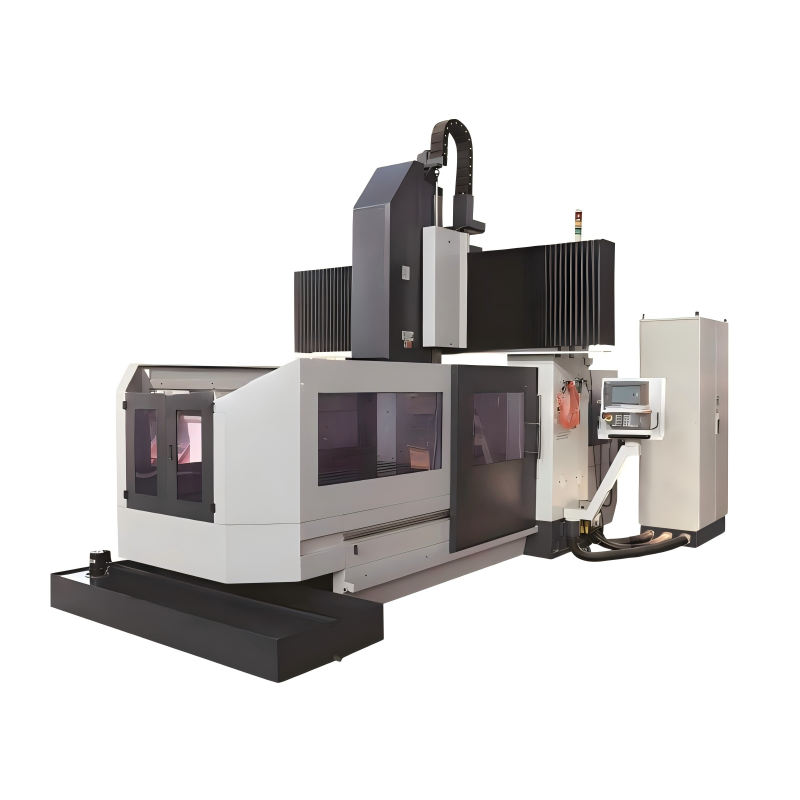
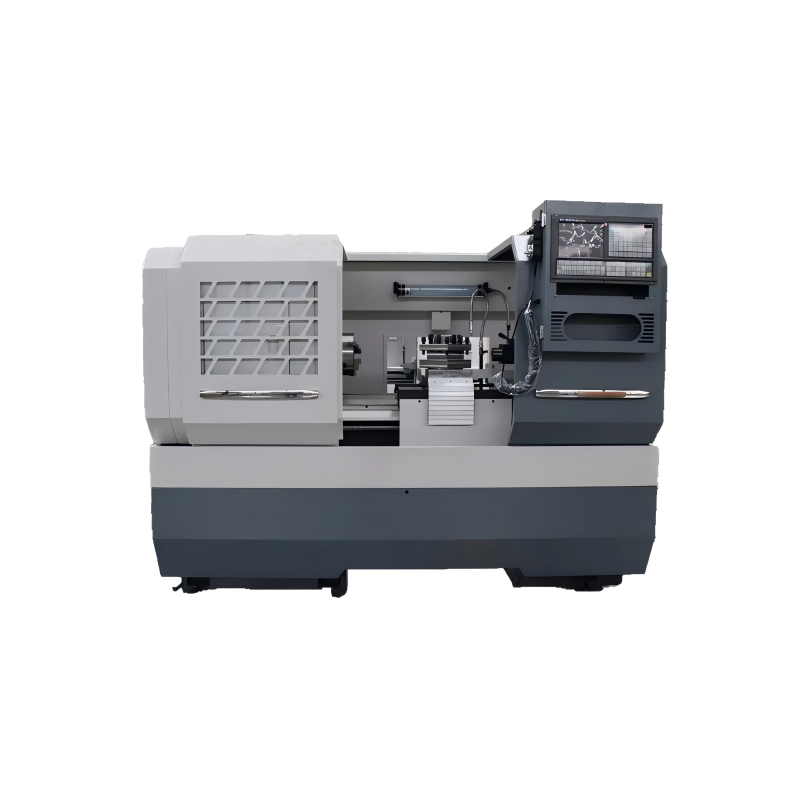
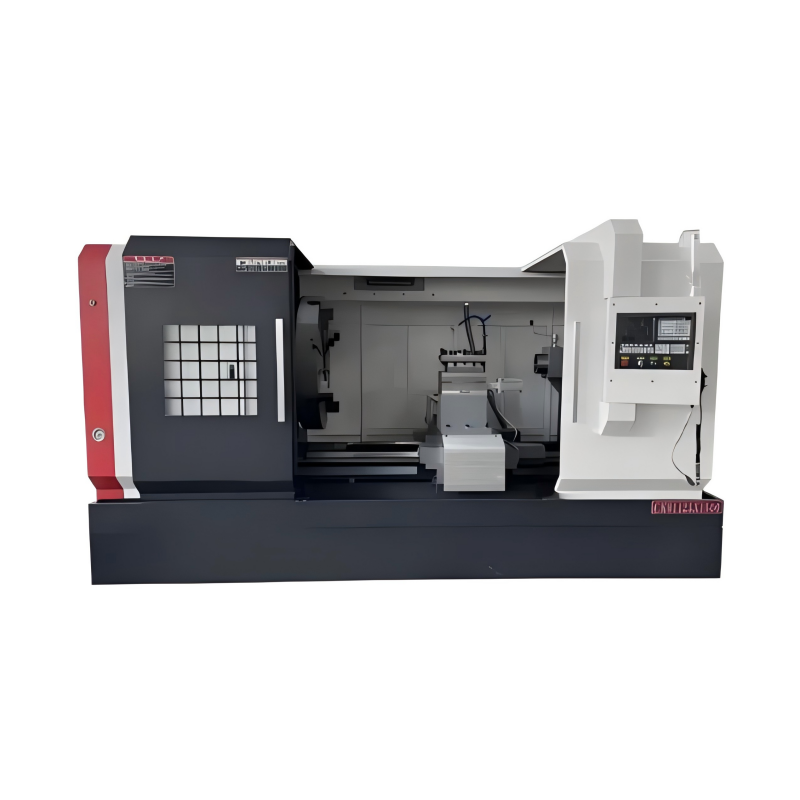
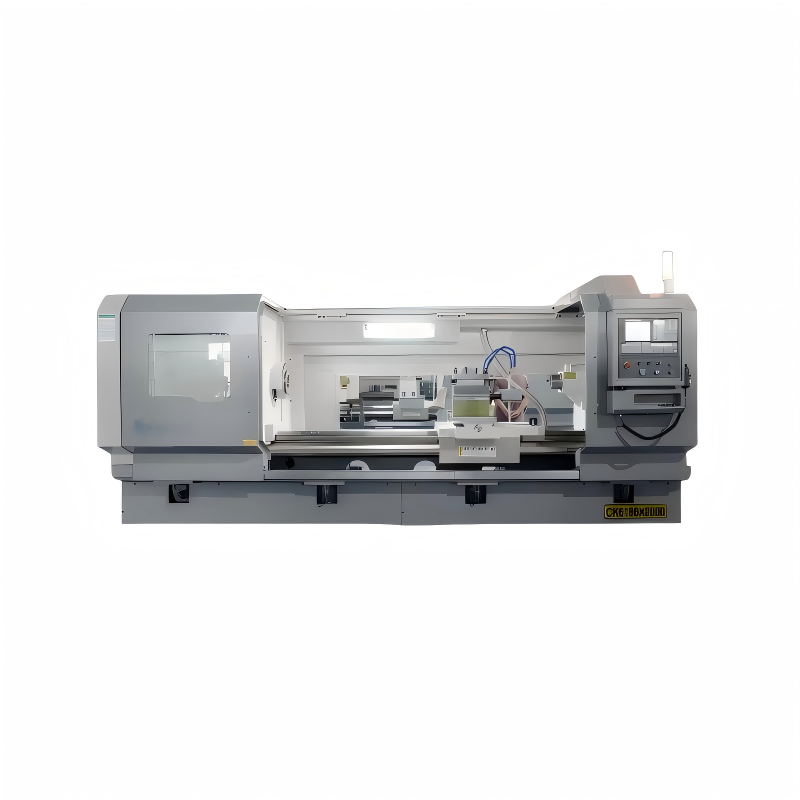
In the rapidly evolving landscape of modern manufacturing, high-precision milling machine tools have become indispensable for achieving superior quality and efficiency. These advanced machines are designed to meet the stringent requirements of industries such as aerospace, automotive, and medical devices, where precision and accuracy are paramount. This report delves into the latest innovations in high-precision milling machine tools, exploring how these advancements are reshaping the manufacturing sector. We will examine key areas including the integration of smart technologies, the role of advanced materials, the importance of ergonomic design, and the impact of sustainable practices on the future of high-precision milling.
The incorporation of automation and robotics into high-precision milling machine tools has revolutionized the manufacturing process. Automated systems can perform complex tasks with unparalleled precision, reducing human error and increasing productivity. For instance, robotic arms equipped with high-precision sensors can execute intricate milling operations, ensuring that each part is machined to exact specifications. This level of automation not only enhances the quality of the final product but also streamlines the production line, making it more efficient and cost-effective.
Artificial intelligence (AI) and machine learning (ML) are transforming the way high-precision milling machine tools operate. By analyzing vast amounts of data, AI algorithms can predict and optimize machining parameters, leading to improved performance and reduced downtime. Machine learning models can also detect anomalies in real-time, allowing for proactive maintenance and minimizing the risk of equipment failure. Additionally, AI-driven predictive analytics can help manufacturers make informed decisions, enhancing overall operational efficiency and reducing waste.
The development of high-performance cutting tools is a critical aspect of high-precision milling. Advanced materials such as tungsten carbide, ceramic, and polycrystalline diamond (PCD) are being used to create cutting tools that offer exceptional durability and wear resistance. These materials enable higher cutting speeds and longer tool life, which are essential for maintaining the precision and quality of the milling process. Moreover, the use of these advanced materials reduces the need for frequent tool changes, further enhancing productivity and reducing costs.
Effective workholding is crucial for achieving high-precision milling. Innovations in workholding solutions, such as modular vices and hydraulic clamping systems, provide greater flexibility and accuracy. These systems ensure that the workpiece is securely held in place, minimizing vibrations and ensuring consistent results. Additionally, the use of custom-designed fixtures and jigs can further enhance the precision of the milling operation, allowing for the production of highly complex and intricate parts with ease.
Ergonomic design is a key consideration in the development of high-precision milling machine tools. The well-being of operators is paramount, and ergonomic features such as adjustable workstations, intuitive control panels, and noise reduction technologies contribute to a safer and more comfortable working environment. By prioritizing operator comfort, manufacturers can reduce the risk of workplace injuries and improve overall job satisfaction, leading to higher productivity and better quality output.
Modern high-precision milling machine tools are equipped with user-friendly interfaces that simplify the operation and programming process. Touchscreen displays, graphical user interfaces (GUIs), and intuitive software make it easier for operators to set up and run the machine, even for complex tasks. These interfaces often include features such as real-time monitoring, diagnostic tools, and step-by-step guidance, which help operators to quickly identify and resolve issues, ensuring smooth and efficient operation.
Sustainability is a growing concern in the manufacturing industry, and high-precision milling machine tools are no exception. Manufacturers are increasingly focusing on energy-efficient designs and resource management to reduce their environmental footprint. High-precision milling machines now incorporate energy-saving features such as variable speed drives, regenerative braking, and optimized cooling systems. These innovations not only reduce energy consumption but also lower operating costs, making them more attractive to environmentally conscious businesses.
Another important aspect of sustainability in high-precision milling is the reduction of waste and the promotion of recycling. Advanced milling processes generate less scrap material, and the use of recyclable materials in the construction of the machine itself contributes to a more sustainable manufacturing process. Additionally, many manufacturers are implementing closed-loop systems that recycle and reuse materials, such as coolant and lubricants, further reducing waste and environmental impact. By adopting these sustainable practices, the high-precision milling industry is moving towards a more eco-friendly and responsible future.
 04/06/2026
In the realm of aerospace engineering, where precision and reliability are paramount, high-precision milling machine tools play an indispensable role. These advanced machines offer unparalleled accuracy and consistency, which are crucial for manufacturing
Read MoreOur professional sales team is always ready to assist you.