high-speed linear motion control represents a significant advancement in the field of automation and manufacturing, offering unprecedented precision, speed, and efficiency. This report delves into how high-speed linear motion is transforming modern manufacturing processes, enhancing productivity, and enabling new levels of automation. We will explore the key components, technologies, and applications that make high-speed linear motion a game-changer in the industry.
Electromagnetic actuators are at the forefront of high-speed linear motion control. These devices use electromagnetic forces to generate rapid and precise movements, making them ideal for applications requiring high acceleration and deceleration rates. The use of advanced materials and design optimizations has significantly improved their performance, enabling faster and more accurate operations.
Linear motors are another critical component in high-speed linear motion systems. Unlike traditional rotary motors, linear motors convert electrical energy directly into linear motion, eliminating the need for mechanical conversion. This results in higher efficiency, reduced maintenance, and increased reliability. The development of high-force, low-maintenance linear motors has further expanded their applications in various industries.
High-speed linear motion control relies heavily on advanced feedback systems to ensure precision and accuracy. These systems, which include encoders, sensors, and real-time monitoring, provide continuous data on position, velocity, and acceleration. By integrating these feedback mechanisms, manufacturers can achieve sub-micron level accuracy, even at high speeds, ensuring consistent and reliable performance.
Real-time control algorithms play a crucial role in maintaining the stability and accuracy of high-speed linear motion systems. These algorithms process the feedback data and adjust the system parameters in real-time, compensating for any deviations or disturbances. The use of sophisticated control strategies, such as model predictive control and adaptive control, has significantly enhanced the performance of high-speed linear motion systems.
High-speed linear motion control is revolutionizing automated assembly lines by enabling faster and more efficient production processes. In automotive manufacturing, for example, high-speed linear motion systems are used to move parts and assemblies with pinpoint accuracy, reducing cycle times and increasing throughput. The integration of these systems has also led to the development of flexible and reconfigurable assembly lines, allowing manufacturers to adapt quickly to changing production demands.
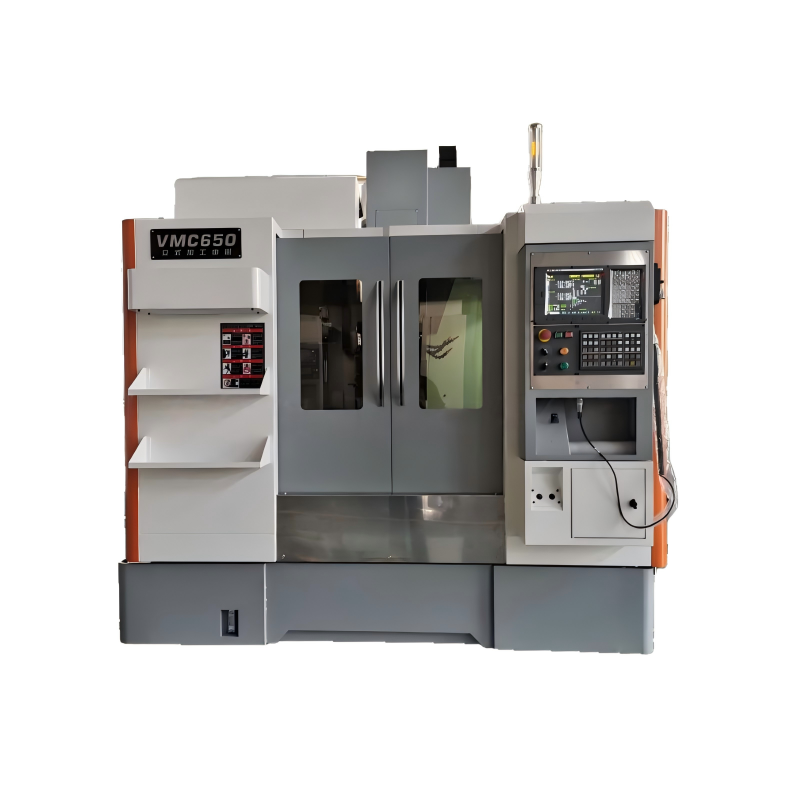
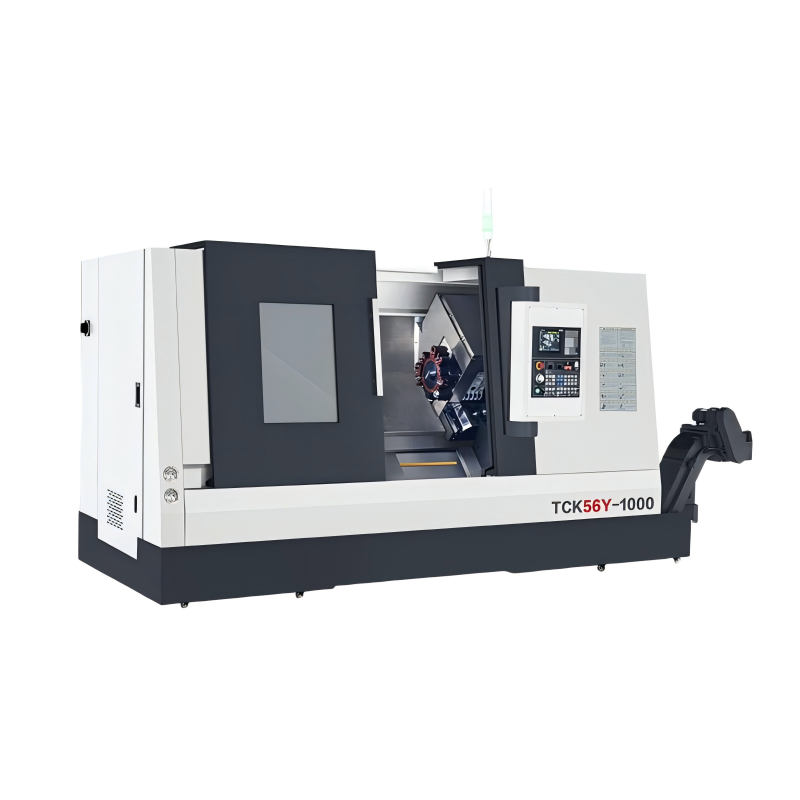
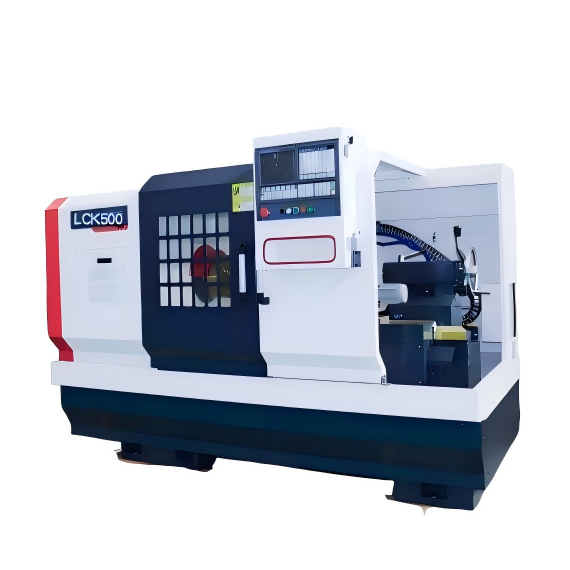
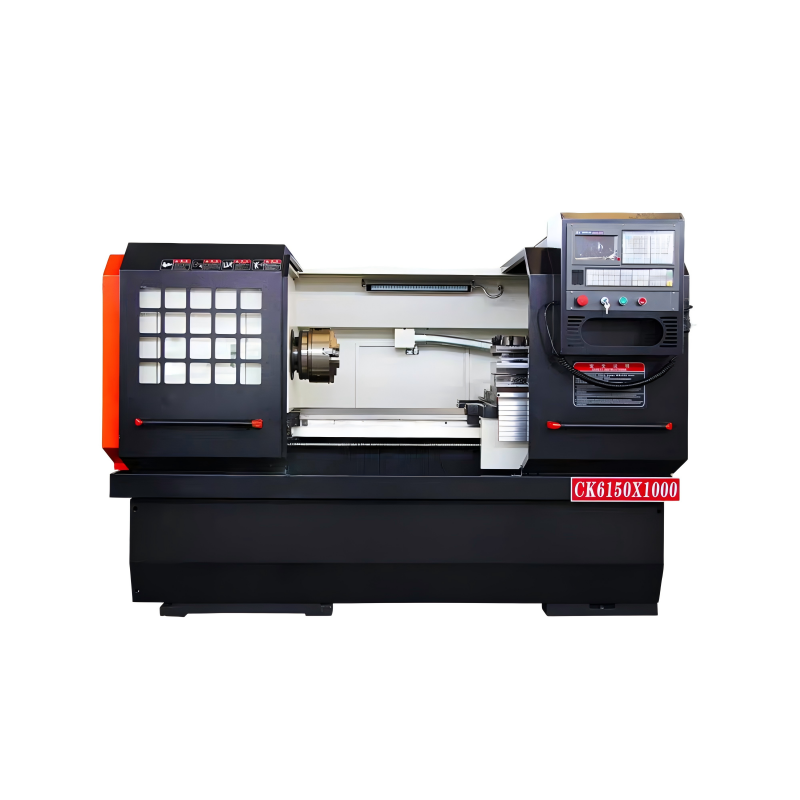
In precision machining, high-speed linear motion control is essential for achieving the required tolerances and surface finishes. CNC machines equipped with high-speed linear motion systems can perform complex operations with high precision, leading to improved product quality and reduced scrap rates. Additionally, in robotics, high-speed linear motion enables robots to perform tasks with greater speed and accuracy, enhancing their capabilities in applications such as pick-and-place, welding, and inspection.
One of the key challenges in high-speed linear motion control is thermal management. High-speed operations generate significant heat, which can affect the performance and lifespan of the system components. Advanced cooling solutions, such as liquid cooling and active thermal management, are being developed to address this issue. These solutions help maintain optimal operating temperatures, ensuring the longevity and reliability of high-speed linear motion systems.
The future of high-speed linear motion control lies in its integration with Industry 4.0 technologies. By leveraging the Internet of Things (IoT), artificial intelligence (AI), and big data analytics, manufacturers can optimize their high-speed linear motion systems for even greater efficiency and productivity. Predictive maintenance, remote monitoring, and intelligent control systems are some of the areas where high-speed linear motion can benefit from Industry 4.0 advancements.
High-speed linear motion control offers significant economic benefits by reducing production costs and increasing productivity. The ability to perform tasks faster and with greater precision leads to higher output and lower per-unit costs. Additionally, the reduced need for manual intervention and the potential for 24/7 operation further enhance the cost-effectiveness of these systems.
High-speed linear motion systems are designed to be energy-efficient, contributing to sustainable manufacturing practices. The use of advanced materials, optimized designs, and efficient control algorithms reduces energy consumption, lowering the environmental impact. Furthermore, the precision and accuracy of these systems help minimize waste and improve resource utilization, aligning with the goals of green manufacturing.
 04/06/2026
In the rapidly evolving landscape of industrial automation, high-speed linear motion control stands out as a critical technology that is redefining the capabilities and efficiency of modern machinery. This technical report explores how advancements in hig
Read More04/06/2026Linear motion control at high speeds has emerged as a pivotal technology in modern industrial applications, significantly enhancing efficiency and productivity. This report delves into the transformative impact of high-speed linear motion control on vario
Read More04/06/2026High-speed linear motion control is an essential aspect of modern robotics, enabling machines to perform tasks with unprecedented speed and precision. This report explores how advancements in high-speed linear motion have revolutionized the field of robot
Read More04/06/2026In the rapidly evolving landscape of automation, high-speed linear motion control stands out as a critical component for achieving greater efficiency and precision across various industries. This report delves into the future innovations in high-speed lin
Read More04/06/2026IntroductionThe advancement of industrial automation has significantly propelled the demand for high-speed linear motion control systems, which are pivotal in achieving precise and efficient movement in various applications. These systems play a crucial r
Read More04/06/2026Introduction to High-speed Linear Motion ControlThe field of high-speed linear motion control has seen significant advancements over the past few decades, driven by the increasing demands for precision, speed, and efficiency in various industries. This te
Read MoreOur professional sales team is always ready to assist you.