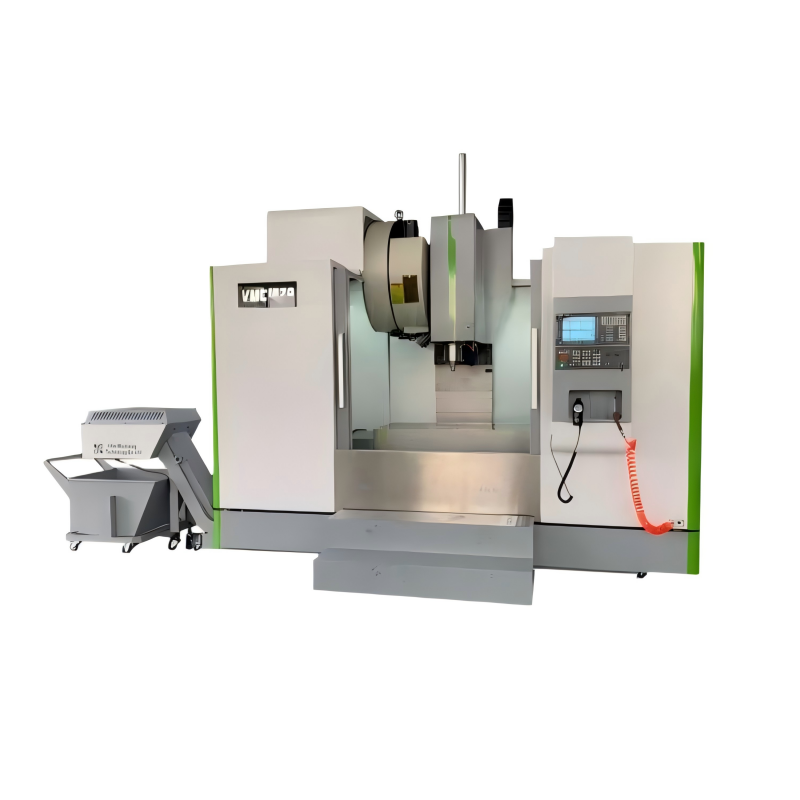
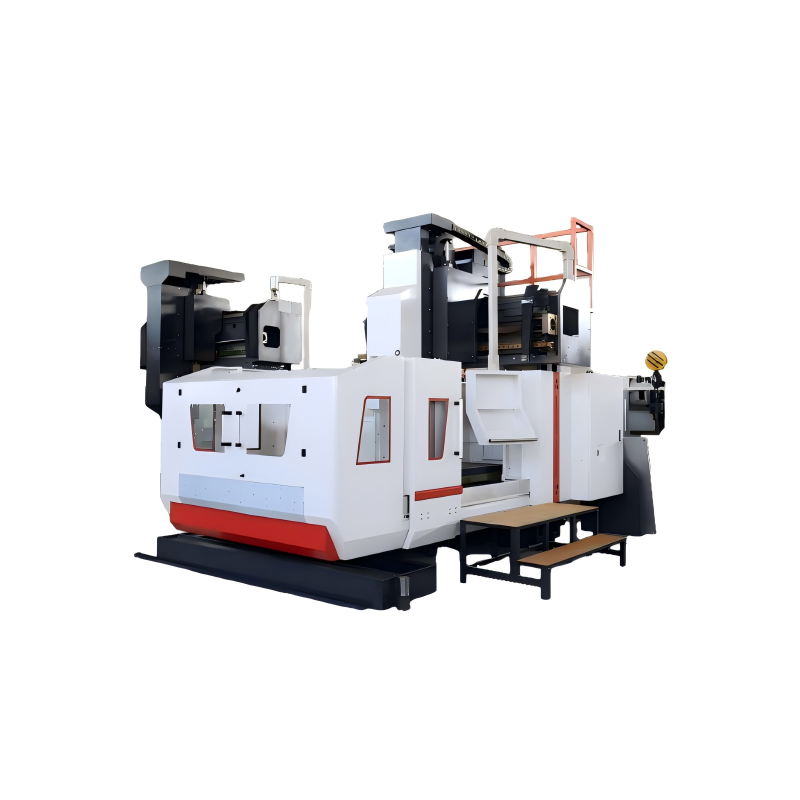
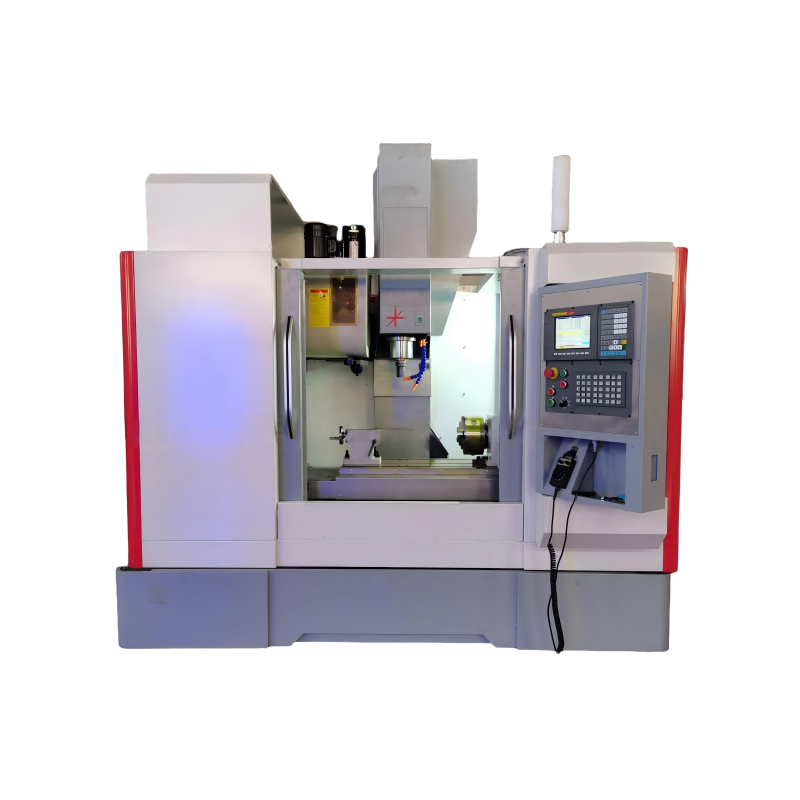
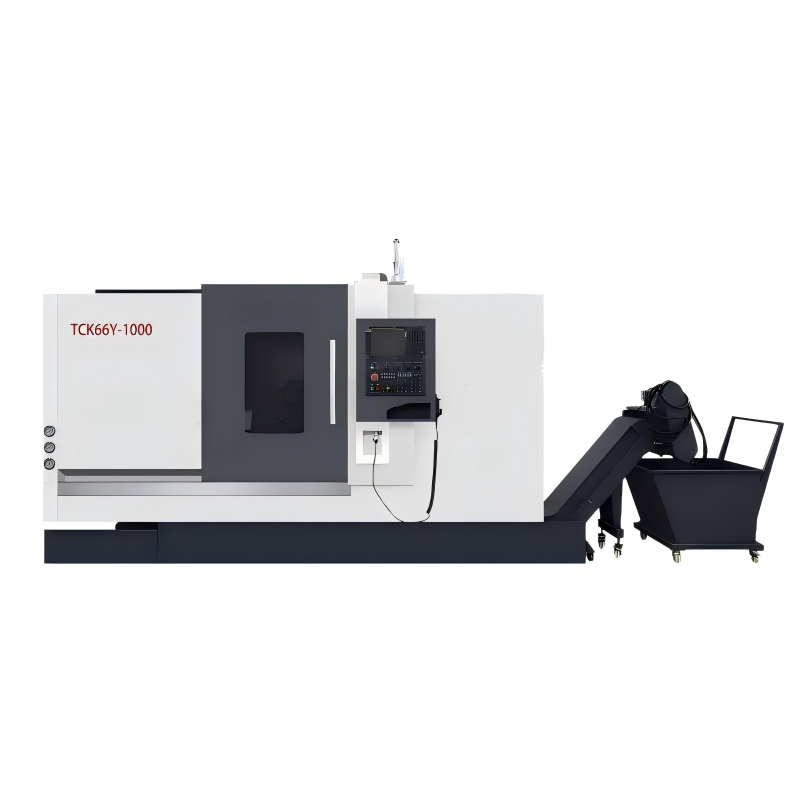
In the realm of modern manufacturing, the Horizontal CNC Lathe has emerged as a transformative technology, significantly enhancing productivity and precision. This report delves into the innovations that are shaping the future of manufacturing, focusing on the advancements in Horizontal CNC Lathes.
One of the most significant advancements in Horizontal CNC Lathes is the integration of advanced control systems. These systems utilize sophisticated algorithms and real-time data processing to achieve unparalleled levels of precision. The use of high-resolution encoders and feedback mechanisms ensures that the lathe can maintain extremely tight tolerances, even during complex operations. This level of accuracy is crucial for industries such as aerospace, where even the slightest deviation can have catastrophic consequences. The advanced control systems not only improve the quality of the final product but also reduce the need for post-processing, thereby saving time and resources.
Moreover, these control systems are often equipped with predictive maintenance capabilities. By continuously monitoring the machine's performance, they can detect potential issues before they become critical. This proactive approach to maintenance minimizes downtime and extends the lifespan of the equipment, making it a cost-effective solution for manufacturers.
Another key innovation in Horizontal CNC Lathes is the development of high-speed machining capabilities. Traditional lathes were limited by their speed, which often led to longer production times and lower throughput. However, modern Horizontal CNC Lathes are designed to operate at much higher speeds without compromising on precision. This is achieved through the use of high-performance spindles, robust cooling systems, and advanced tooling materials.
High-speed machining not only increases the rate of production but also allows for more efficient material removal. This is particularly beneficial in industries that require the rapid production of large quantities of parts, such as automotive and consumer electronics. Additionally, the ability to perform multiple operations in a single setup reduces the need for repositioning the workpiece, further enhancing productivity.
Furthermore, the implementation of multi-axis configurations in Horizontal CNC Lathes has revolutionized the way parts are machined. Multi-axis machines can perform complex operations in a single pass, reducing the number of setups required and minimizing the risk of errors. This capability is especially valuable in the production of intricate components, where maintaining dimensional accuracy is paramount.
The integration of smart technologies in Horizontal CNC Lathes has opened up new possibilities for customization and flexibility. Modern lathes are often equipped with features such as adaptive control, which allows the machine to adjust its parameters in real-time based on the specific requirements of the job. This adaptability is particularly useful in environments where there is a need to switch between different types of materials or part geometries frequently.
Additionally, the use of IoT (Internet of Things) and Industry 4.0 principles has enabled the seamless integration of Horizontal CNC Lathes into smart manufacturing ecosystems. These lathes can communicate with other machines and systems on the factory floor, sharing data and optimizing processes. For example, a Horizontal CNC Lathe can receive instructions from a central control system, automatically adjust its settings, and provide real-time feedback on its performance. This level of connectivity and automation enhances the overall efficiency of the manufacturing process and supports the move towards lights-out manufacturing, where facilities can operate with minimal human intervention.
Smart technologies also play a crucial role in improving the user experience. Modern Horizontal CNC Lathes come with intuitive interfaces and advanced software that simplify the programming and operation of the machine. This makes it easier for operators to set up and run jobs, even if they do not have extensive technical expertise. The availability of simulation tools and virtual training programs further aids in the learning process, ensuring that operators can quickly become proficient in using the machine.
As the manufacturing industry increasingly focuses on sustainability, the development of energy-efficient Horizontal CNC Lathes has become a priority. Manufacturers are implementing various strategies to reduce the energy consumption of these machines, such as the use of regenerative braking systems and energy-efficient motors. Regenerative braking systems convert the kinetic energy generated during deceleration into electrical energy, which can be reused to power the machine. This not only reduces energy consumption but also helps in extending the life of the motor.
Energy-efficient motors, on the other hand, are designed to minimize power losses and maximize operational efficiency. These motors are typically more compact and lighter than traditional ones, which also contributes to the overall reduction in the machine's energy footprint. Additionally, the use of advanced cooling systems and optimized lubrication techniques further enhance the energy efficiency of Horizontal CNC Lathes.
Moreover, the design of Horizontal CNC Lathes is evolving to incorporate more sustainable materials and practices. For instance, some manufacturers are using recycled materials in the construction of the machine, and others are implementing lean manufacturing principles to reduce waste and improve resource utilization. These efforts not only contribute to the environmental sustainability of the manufacturing process but also help in reducing operating costs, making it a win-win situation for both the environment and the manufacturer.
The innovations in Horizontal CNC Lathes are fundamentally reshaping the landscape of modern manufacturing. Enhanced precision through advanced control systems, increased productivity with high-speed machining, and the integration of smart technologies for enhanced flexibility are just a few of the key advancements driving this transformation. Additionally, the focus on sustainability and energy efficiency is ensuring that these machines are not only more capable but also more environmentally friendly. As the technology continues to evolve, it is clear that Horizontal CNC Lathes will play an increasingly important role in the future of manufacturing, enabling greater efficiency, precision, and sustainability.
Our professional sales team is always ready to assist you.