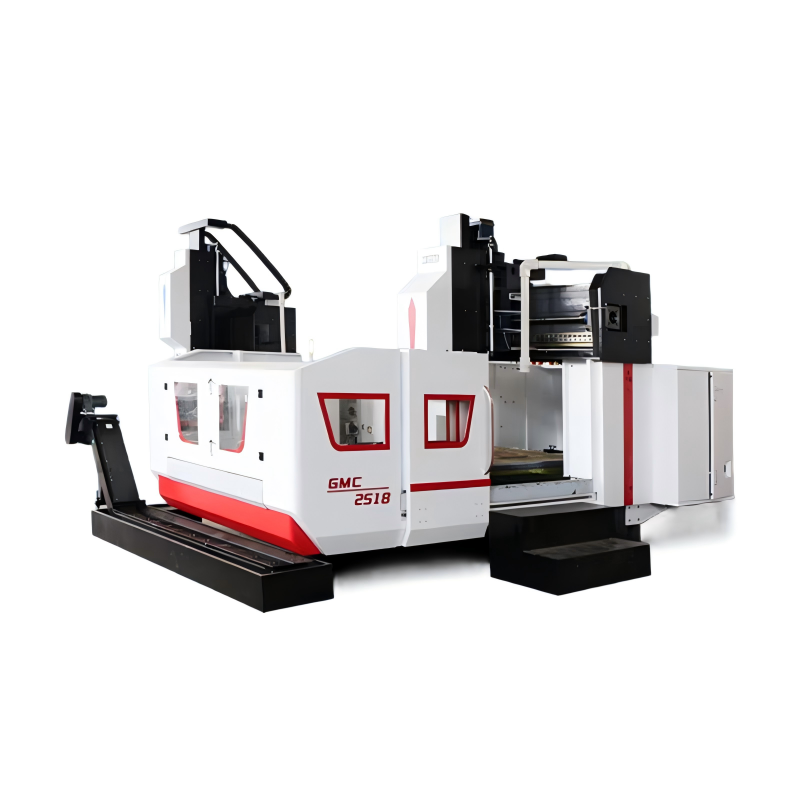
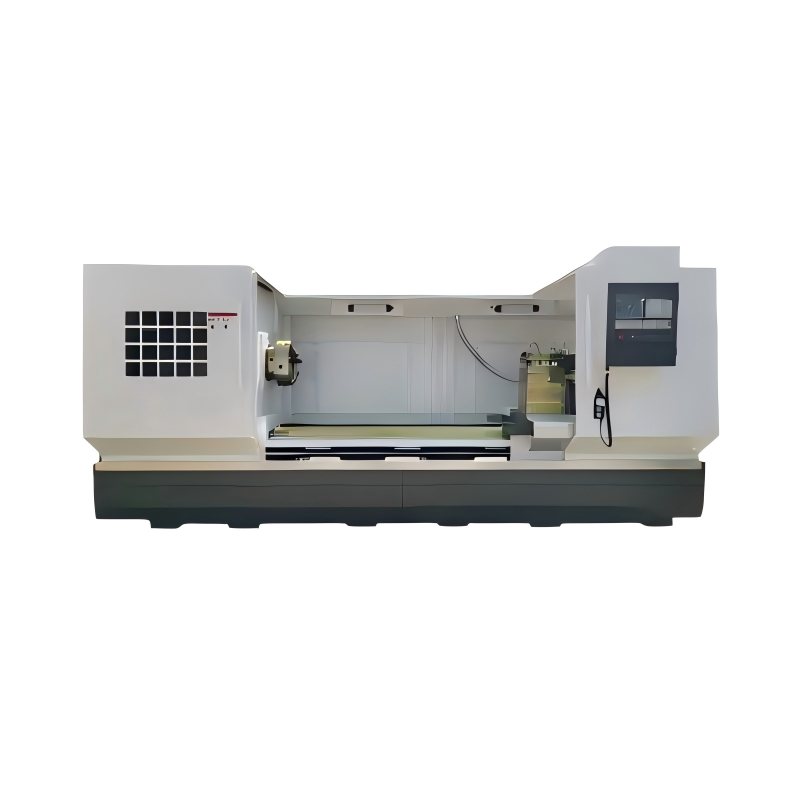
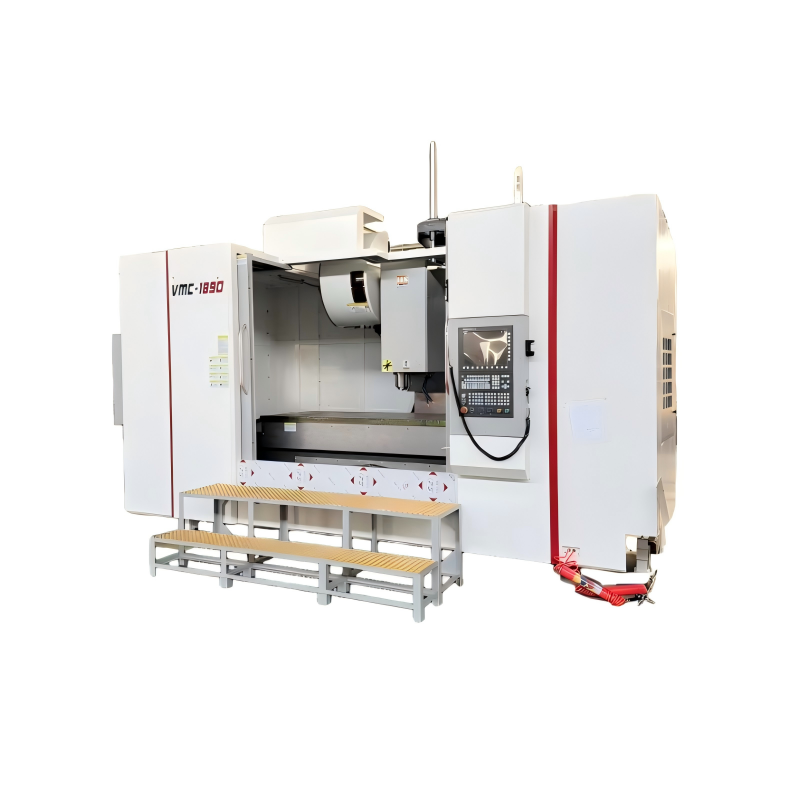
In recent years, the landscape of small workshops in China has been significantly transformed by advancements in manufacturing technology. One notable development is the rise of mini horizontal CNC (Computer Numerical Control) lathes, which have become indispensable tools for many businesses. This report delves into how these machines, particularly those from China CNC pipe threading lathe manufacture, are revolutionizing the way small workshops operate, enhancing productivity, and contributing to the overall growth of the industry.
The introduction of mini horizontal CNC Lathes has dramatically improved the precision and quality of work produced in small workshops. Unlike traditional manual lathes, which rely heavily on the skill and experience of the operator, CNC lathes use computerized controls to execute highly accurate and consistent operations. This level of precision is especially crucial in industries where tolerances are tight, such as automotive and aerospace. The ability to program and store multiple operations also ensures that the same high-quality results can be replicated consistently, reducing the likelihood of human error and increasing customer satisfaction.
Moreover, the advanced software used in these lathes allows for complex designs and intricate patterns, which would be difficult or impossible to achieve with manual methods. This capability opens up new possibilities for innovation and creativity, enabling small workshops to take on more challenging and diverse projects. As a result, businesses can expand their service offerings and attract a broader range of clients, ultimately driving growth and competitiveness.
One of the most significant advantages of mini Horizontal CNC Lathes is their ability to increase efficiency and productivity. These machines can operate continuously without the need for breaks, unlike human operators who require rest periods. This 24/7 operational capacity translates to a substantial increase in output, allowing small workshops to meet higher production demands and reduce lead times. Additionally, the automation of tasks such as tool changes and part loading further streamlines the production process, minimizing downtime and maximizing throughput.
Furthermore, the integration of advanced features like automatic tool changers and multi-axis capabilities enables these lathes to perform multiple operations in a single setup. This not only reduces the need for manual intervention but also decreases the time required for setup and changeovers. Consequently, small workshops can achieve higher levels of efficiency, leading to cost savings and improved profitability. The ability to handle a wide range of materials, including metals, plastics, and composites, also makes these lathes versatile and suitable for various applications, further enhancing their value.
While the initial investment in a mini horizontal CNC lathe may seem significant, the long-term benefits often outweigh the costs. The increased productivity and efficiency mentioned earlier contribute to a faster return on investment (ROI). Additionally, the reduction in labor costs, due to the automation of tasks, can lead to significant savings over time. Small workshops can allocate these savings to other areas of the business, such as research and development, marketing, or expanding their workforce.
Another factor that contributes to the cost-effectiveness of these machines is their durability and reliability. High-quality CNC lathes, such as those from China CNC pipe threading lathe manufacture, are built to last and require minimal maintenance. This longevity, combined with the lower likelihood of errors and rework, further enhances their economic viability. Moreover, the ability to produce high-quality parts consistently can lead to fewer rejects and waste, reducing material costs and improving overall sustainability.
The adoption of mini horizontal CNC lathes in small workshops also presents an opportunity for skill development and training. While these machines automate many tasks, they still require skilled operators to program, set up, and maintain them. This shift in job requirements creates a demand for workers with a different set of skills, including programming, troubleshooting, and machine maintenance. Workshops that invest in training their employees in these areas can build a more versatile and capable workforce, better equipped to handle the challenges of modern manufacturing.
Additionally, the availability of user-friendly software and intuitive interfaces makes it easier for operators to learn and adapt to the new technology. Many manufacturers, including those in China CNC pipe threading lathe manufacture, offer comprehensive training programs and support services to help customers get the most out of their machines. This support can include on-site training, online tutorials, and technical assistance, ensuring that operators are well-prepared to use the equipment effectively.
The integration of mini horizontal CNC lathes in small workshops in China has brought about numerous benefits, including enhanced precision, increased efficiency, and cost-effectiveness. These machines, particularly those from China CNC pipe threading lathe manufacture, have proven to be valuable assets, enabling businesses to improve their productivity, quality, and competitiveness. As the manufacturing landscape continues to evolve, the adoption of such advanced technologies will play a crucial role in shaping the future of small workshops and the broader industry.
 24/06/2026
China, a global leader in manufacturing, has been at the forefront of technological advancements across various industries. One such area where China excels is in the production of CNC (Computer Numerical Control) pipe threading lathes. These machines pla
Read More23/06/2026When it comes to selecting the right turning lathe machine, especially in a specialized area like China CNC pipe threading lathe manufacture, making an informed decision is crucial. The market is flooded with various options, each offering unique features
Read More22/06/2026In the ever-evolving landscape of manufacturing, the demand for precision and efficiency has never been higher. This report delves into the advancements in China CNC pipe threading lathe manufacture, highlighting how state-of-the-art milling machine syste
Read More22/06/2026In the realm of modern manufacturing, the demand for high-precision and efficient machinery has never been greater. One such machine that stands out in this context is the China CNC pipe threading lathe, a solution designed to meet the stringent requireme
Read More20/06/2026The development of China's CNC (Computer Numerical Control) pipe threading lathe technology has been a remarkable journey, reflecting the country’s broader industrial and technological advancements. This report aims to provide insights into this specific
Read More20/06/2026Understanding the Chinese CNC Pipe Threading Lathe MarketThe global demand for high-precision machining equipment, such as China CNC pipe threading lathe manufacture, has seen a steady rise. This trend is particularly evident in the oil and gas, automotiv
Read More20/06/2026In the rapidly evolving landscape of industrial machinery, the demand for precision and efficiency has never been higher. Among the various tools that play a crucial role in modern manufacturing, CNC (Computer Numerical Control) pipe threading lathes stan
Read More19/06/2026The manufacturing sector has seen significant advancements over the years, with China emerging as a key player in producing high-quality machinery, including CNC pipe threading lathes. This report aims to assess the performance of China-produced CNC pipe
Read More19/06/2026China has emerged as a global leader in the manufacturing of CNC (Computer Numerical Control) pipe threading lathes, with its robust industrial base and technological advancements. The future of CNC pipe threading lathe manufacturing in China is poised fo
Read More19/06/2026In the realm of industrial manufacturing, precision and efficiency are paramount. Among the various tools that contribute to these qualities, CNC (Computer Numerical Control) pipe threading lathes stand out as indispensable. This technical report explores
Read More18/06/2026Evolution of CNC Pipe Threading Lathe Manufacturing in ChinaIn recent decades, the evolution of China CNC pipe threading lathe manufacture has been nothing short of remarkable. This transformation is a testament to the country's commitment to technologica
Read More18/06/2026The rapid development of China's manufacturing industry, particularly in the field of CNC (Computer Numerical Control) machinery, has placed it at the forefront of global technological innovation. This report focuses on the advancements and growth trends
Read More18/06/2026In recent years, the advancements in automation have significantly impacted various manufacturing sectors worldwide, including the China CNC pipe threading lathe manufacture. This report aims to explore how these technological shifts are reshaping the ind
Read More17/06/2026Understanding the Core Capabilities of CNC Pipe Threading LathesThe manufacturing landscape, particularly in China, has witnessed a significant transformation with the advent of advanced technologies like the CNC (Computer Numerical Control) pipe threadin
Read More17/06/2026In the global manufacturing landscape, China's CNC pipe threading lathe manufacturers have carved out a significant niche for themselves. This technical report delves into the strategies and practices that enable these manufacturers to maintain their comp
Read More17/06/2026When it comes to the manufacturing of precision components, a China CNC pipe threading lathe is an essential piece of machinery. This type of lathe is specifically designed for threading pipes and other cylindrical materials, ensuring high accuracy and ef
Read More16/06/2026China, with its vast industrial base and rapid technological advancements, has emerged as a leading player in the manufacturing sector. One area where this progress is particularly evident is in the production of CNC (Computer Numerical Control) pipe thre
Read More16/06/2026The manufacturing of CNC (Computer Numerical Control) pipe threading lathes in China represents a significant advancement in the precision engineering sector, offering enhanced efficiency and accuracy over traditional methods. This report delves into the
Read More16/06/2026The field of manufacturing is constantly evolving, with technological advancements leading the way in improving efficiency and precision. One such innovation that has significantly impacted the industry is the CNC (Computer Numerical Control) pipe threadi
Read MoreOur professional sales team is always ready to assist you.