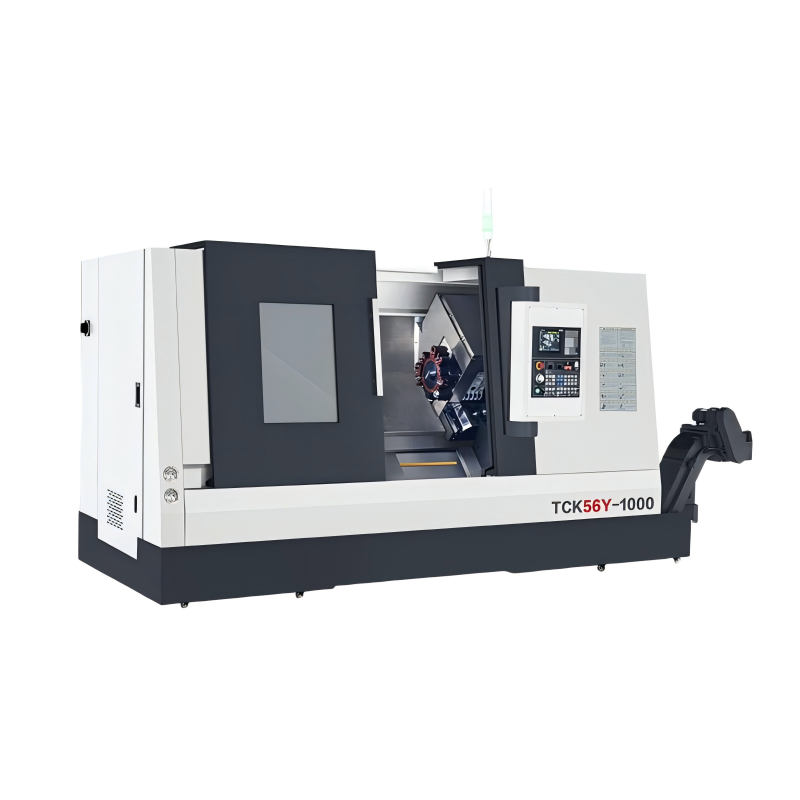
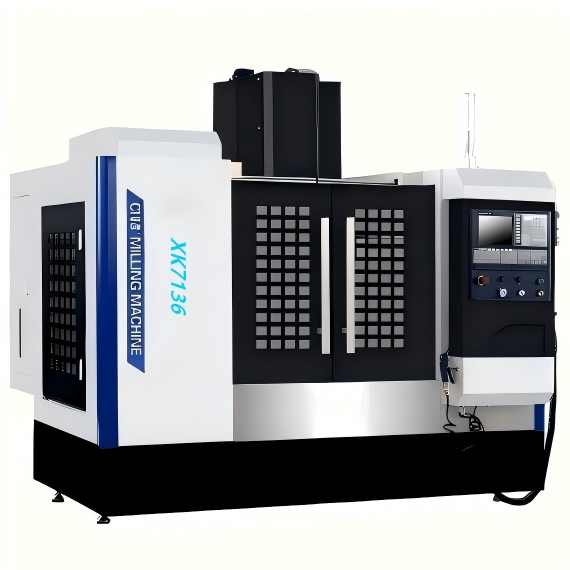
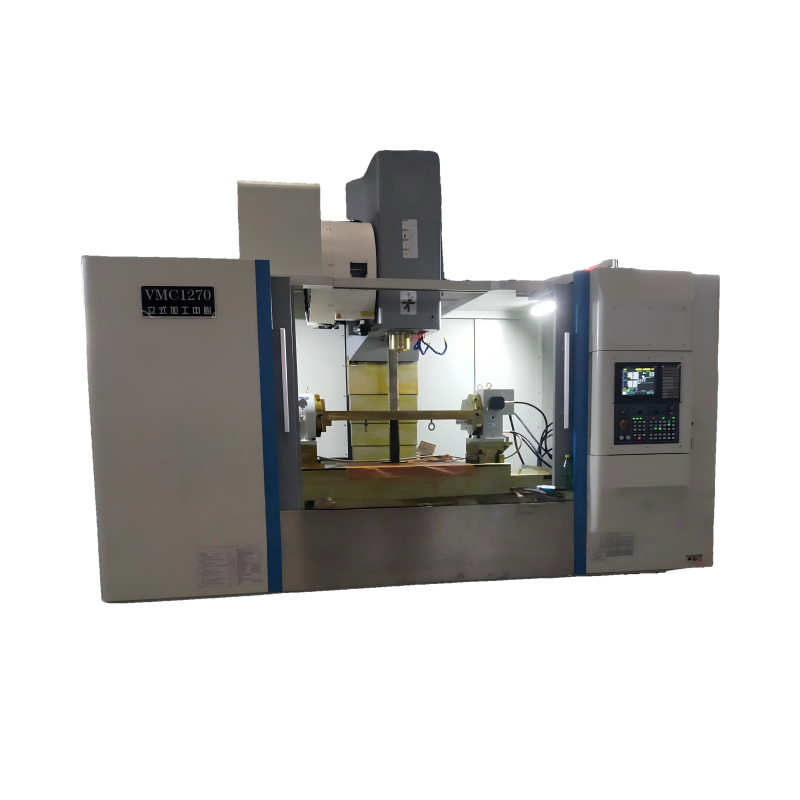
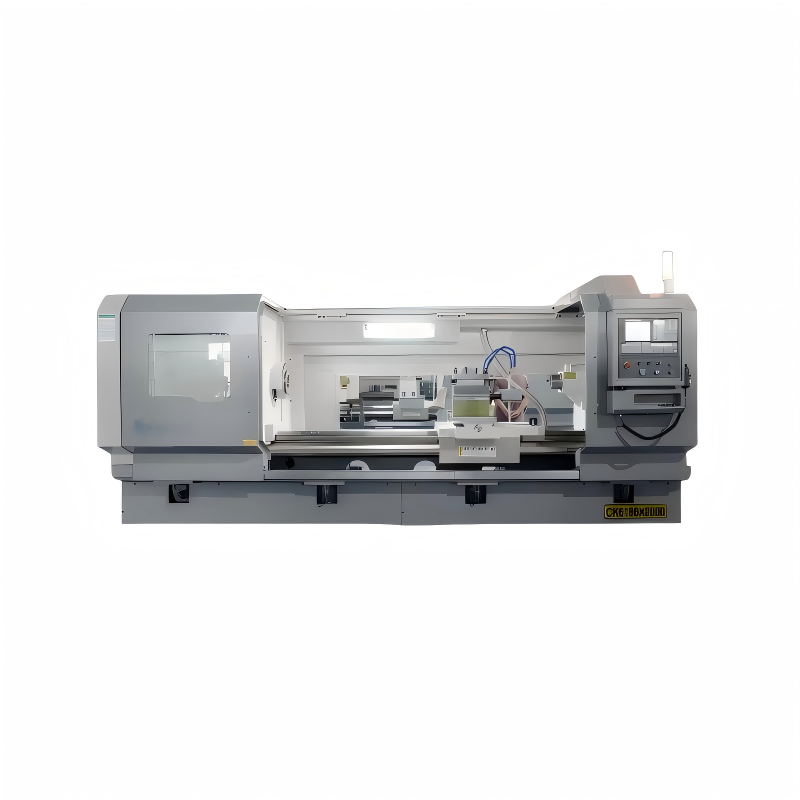
In the rapidly evolving world of manufacturing, choosing a reliable conventional lathe supplier is more critical than ever. A conventional lathe is a fundamental tool in many industries, from automotive to aerospace, and its quality directly impacts the efficiency and precision of your production processes. This report aims to guide you through the essential factors to consider when selecting a conventional lathe supplier in 2023.
The first step in choosing a reliable conventional lathe supplier is to clearly define your specific needs. Different applications require different types of lathes, and understanding your requirements will help you narrow down the options. Consider the following:
By thoroughly understanding your requirements, you can make an informed decision and avoid overpaying for features you don't need or underestimating the capabilities required for your tasks.
Once you have a clear idea of your needs, the next step is to evaluate the reputation and experience of potential suppliers. A reliable conventional lathe supplier should have a proven track record of delivering high-quality products and excellent customer service. Here are some key points to consider:
By carefully evaluating the reputation and experience of potential suppliers, you can ensure that you are partnering with a company that has a strong commitment to quality and customer satisfaction.
After narrowing down your list of potential suppliers, the next step is to assess the quality and features of the lathes they offer. A reliable conventional lathe supplier should provide machines that meet your specific requirements and are built to last. Here are some key aspects to consider:
By thoroughly assessing the quality and features of the lathes offered by potential suppliers, you can ensure that you are investing in a machine that will meet your needs and provide reliable performance over the long term.
While cost is an important factor, it should not be the sole determining factor when choosing a conventional lathe supplier. Instead, focus on finding the best value for your money. This means considering not just the upfront cost of the lathe but also the total cost of ownership, which includes maintenance, repairs, and downtime. Here are some key points to consider:
By considering the total cost of ownership and the overall value for money, you can make a more informed decision that aligns with your budget and long-term financial goals.
Finally, it is crucial to ensure that the conventional lathe supplier you choose provides excellent after-sales support and service. Even the highest-quality lathe may encounter issues or require maintenance over time, and having a reliable support system in place can minimize downtime and keep your operations running smoothly. Here are some key points to consider:
By ensuring that the supplier provides robust after-sales support and service, you can protect your investment and maintain the reliability and performance of your lathe over its lifetime.
In conclusion, choosing a reliable conventional lathe supplier in 2023 requires a thorough evaluation of your requirements, the supplier's reputation and experience, the quality and features of the lathes, the total cost of ownership, and the availability of after-sales support. By following these guidelines, you can make an informed decision that will enhance the efficiency and precision of your manufacturing processes.
 23/06/2026
In the world of machining, finding the right conventional lathe supplier is crucial for ensuring that your operations run smoothly and efficiently. A conventional lathe is a fundamental tool in many manufacturing processes, and selecting the appropriate s
Read More23/06/2026Choosing the right conventional lathe supplier is a critical decision for any manufacturing or engineering company. The quality of lathes, as well as the support and service provided by the supplier, can significantly impact your production efficiency and
Read More23/06/2026Understanding the Importance of Conventional Lathes in Modern Workshops The conventional lathe, a machine that has been around for centuries, continues to play a vital role in modern workshops. Its ability to perform a wide range of operations, from turni
Read MoreOur professional sales team is always ready to assist you.