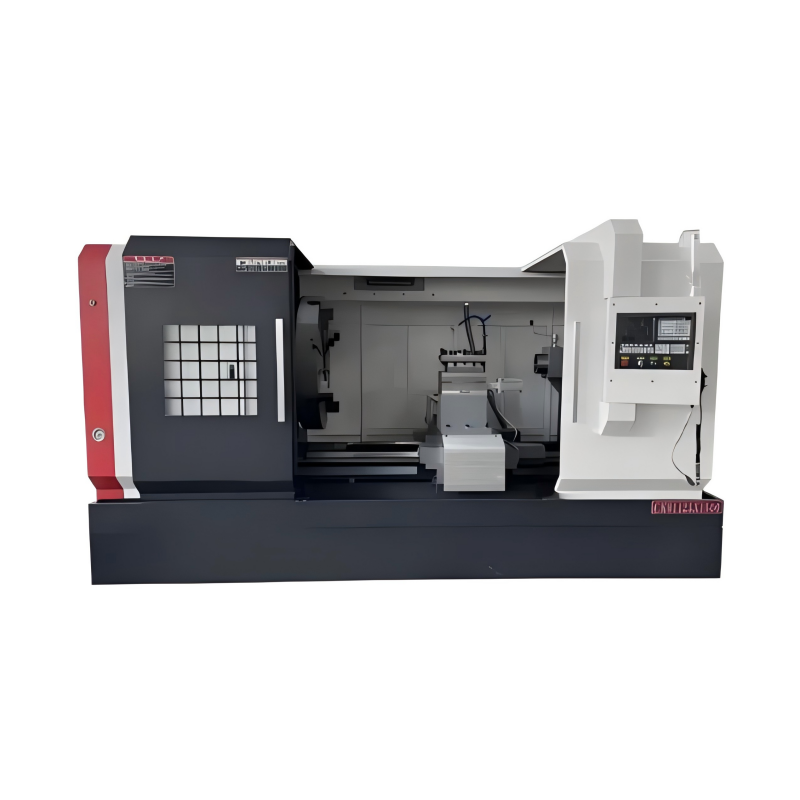
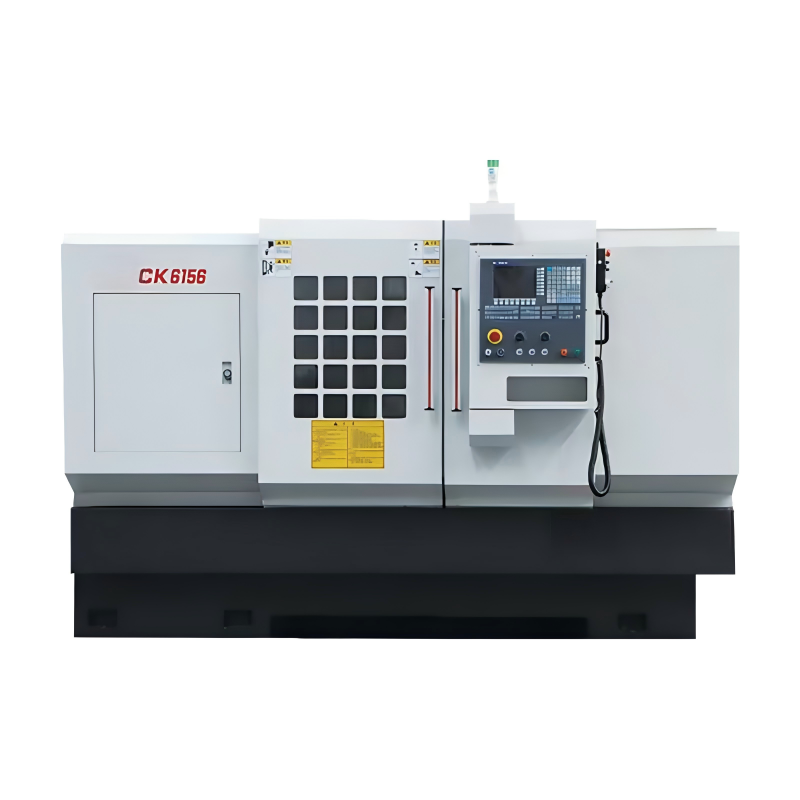
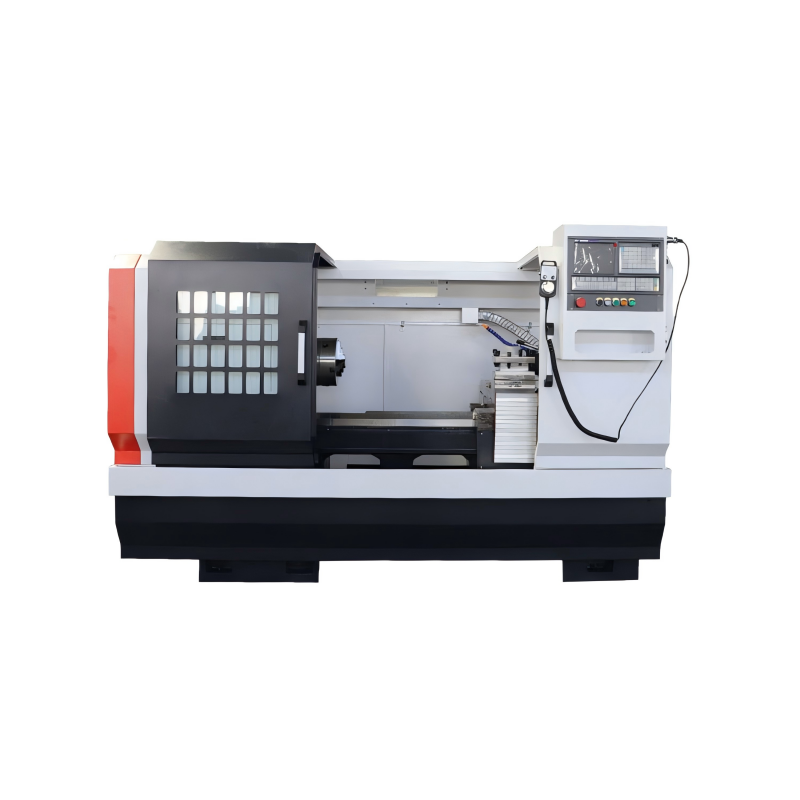
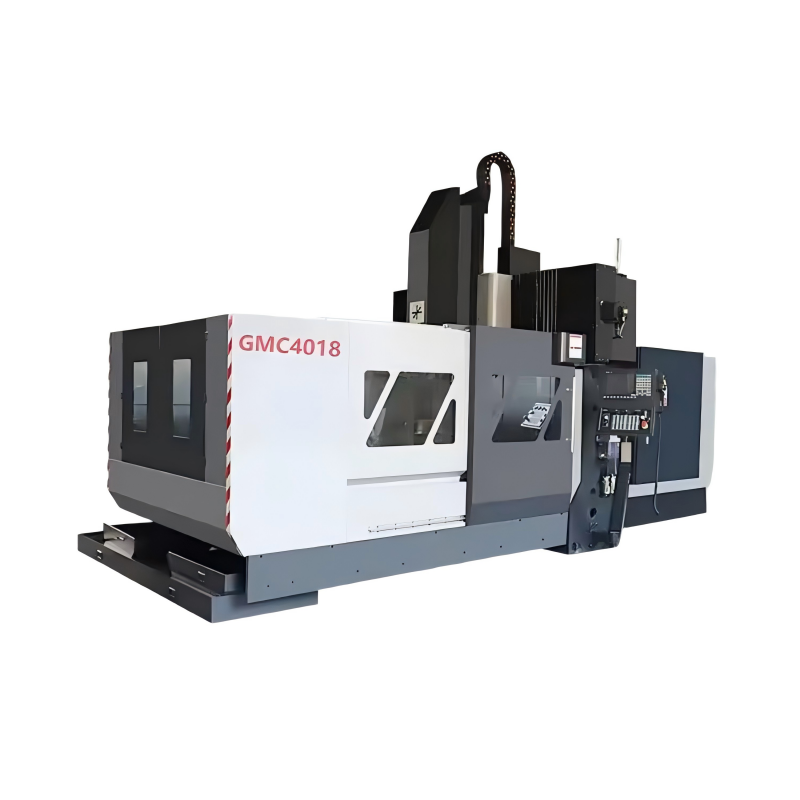
In today's rapidly evolving manufacturing landscape, choosing the right machinery is crucial for maintaining a competitive edge. One such essential tool is the fully automatic horizontal CNC Lathe. This type of lathe is designed to automate and streamline the production process, making it an indispensable asset for many industries. The primary function of a Fully automatic horizontal CNC lathe China lies in its ability to perform complex machining operations with high precision and minimal human intervention. These machines are particularly well-suited for large-scale production runs where consistency and efficiency are paramount.
Before delving into the specifics of how to choose the best Fully automatic horizontal CNC lathe for your needs, it's important to understand what makes these lathes stand out. A key feature is their use of computer numerical control (CNC) technology, which allows for precise programming and execution of machining tasks. Additionally, the horizontal orientation of the spindle provides stability and enables the machine to handle larger workpieces or those that require more robust support during the machining process. Understanding these basics will help set the foundation as we explore the selection criteria for this advanced equipment.
When considering the purchase of a fully automatic horizontal CNC lathe, one of the most critical steps is evaluating your specific production requirements. This involves a thorough analysis of several factors, including the types of materials you plan to work with, the complexity and volume of parts you need to produce, and the desired level of automation in your workflow. For instance, if your operation primarily deals with high-volume, repetitive tasks, then investing in a machine with advanced automation features can significantly enhance productivity and reduce labor costs. On the other hand, if your projects involve a wide range of part geometries or frequent changes in setup, flexibility and ease of reprogramming become more important considerations.
Another aspect to consider is the size and weight of the workpieces. Fully automatic horizontal CNC lathes come in various sizes, and selecting the appropriate model based on the dimensions of your typical workpiece is vital. Overestimating or underestimating the required capacity can lead to inefficiencies or even render the machine unsuitable for certain jobs. It’s also worth noting that some models offer additional features like live tooling, which can be beneficial for operations requiring secondary processes such as drilling or milling. By carefully assessing these aspects, you can ensure that the fully automatic horizontal CNC lathe you choose aligns perfectly with your production needs.
Once you have a clear understanding of your production requirements, the next step is to identify the key features and specifications that are most relevant to your application. When evaluating fully automatic horizontal CNC lathes, there are several important factors to consider:
By focusing on these key features and specifications, you can narrow down your options and select a fully automatic horizontal CNC lathe that meets your technical and operational requirements. Remember, the right combination of features will not only enhance your production capabilities but also contribute to the long-term success and profitability of your business.
While the initial cost of a fully automatic horizontal CNC lathe is a significant factor, it’s equally important to consider the long-term value and return on investment (ROI). The total cost of ownership (TCO) includes not just the purchase price but also ongoing expenses such as maintenance, energy consumption, and operator training. High-quality machines may have a higher upfront cost, but they often offer better reliability, lower maintenance costs, and higher productivity, which can lead to substantial savings over time.
Additionally, the availability of local support and spare parts is another important consideration. A manufacturer with a strong presence in your region can provide faster and more reliable service, reducing downtime and ensuring that your operations run smoothly. Some manufacturers also offer extended warranties and maintenance packages, which can further enhance the value of your investment.
It’s also worth considering the potential for future upgrades and expansions. As your business grows, you may need to add new features or increase the capacity of your CNC lathe. Choosing a machine that is scalable and compatible with future technologies can save you from having to replace the entire system later on.
By taking a comprehensive approach to cost considerations and long-term value, you can make a more informed decision that aligns with both your immediate needs and long-term goals. This will help ensure that your investment in a fully automatic horizontal CNC lathe China is not only cost-effective but also a strategic asset for your business.
Selecting the best fully automatic horizontal CNC lathe for your needs requires a careful and systematic approach. By understanding the basics of these machines, evaluating your production requirements, and identifying the key features and specifications that matter most, you can make a well-informed decision. Additionally, considering the long-term value and total cost of ownership will help ensure that your investment is both cost-effective and strategically aligned with your business goals.
Ultimately, the right fully automatic horizontal CNC lathe will not only meet your current production needs but also support your future growth and innovation. By following the guidelines outlined in this report, you can confidently choose a machine that will enhance your manufacturing capabilities and drive your business forward.
 22/06/2026
In the realm of precision machining, the fully automatic horizontal CNC lathe from China stands out as a beacon of technological advancement. This article delves into the intricacies and advantages of the high precision flat bed CNC lathe, highlighting it
Read More22/06/2026The advancement in manufacturing technology has brought about significant improvements in the efficiency and precision of production processes. Among these advancements, the fully automatic horizontal CNC lathe from China stands out as a transformative so
Read More22/06/2026With the rapid development of manufacturing technology, the demand for precision and efficiency in machining processes has increased significantly. One of the key machines that have emerged to meet this demand is the fully automatic horizontal CNC lathe.
Read More22/06/2026In the realm of modern manufacturing, the adoption of advanced technologies plays a crucial role in enhancing productivity, precision, and overall efficiency. One such technology that has gained significant traction is the fully automatic horizontal CNC l
Read More16/06/2026As the demand for precision machining continues to grow, manufacturers are increasingly looking towards solutions that can fit into compact spaces without compromising on performance. One such solution is the fully automatic horizontal CNC lathe, which ha
Read MoreOur professional sales team is always ready to assist you.