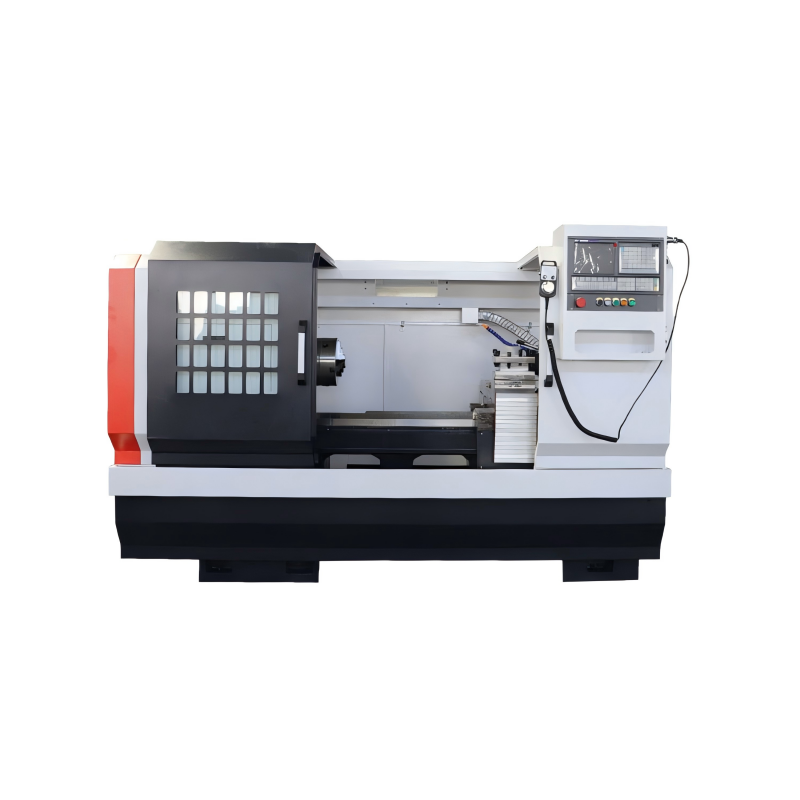
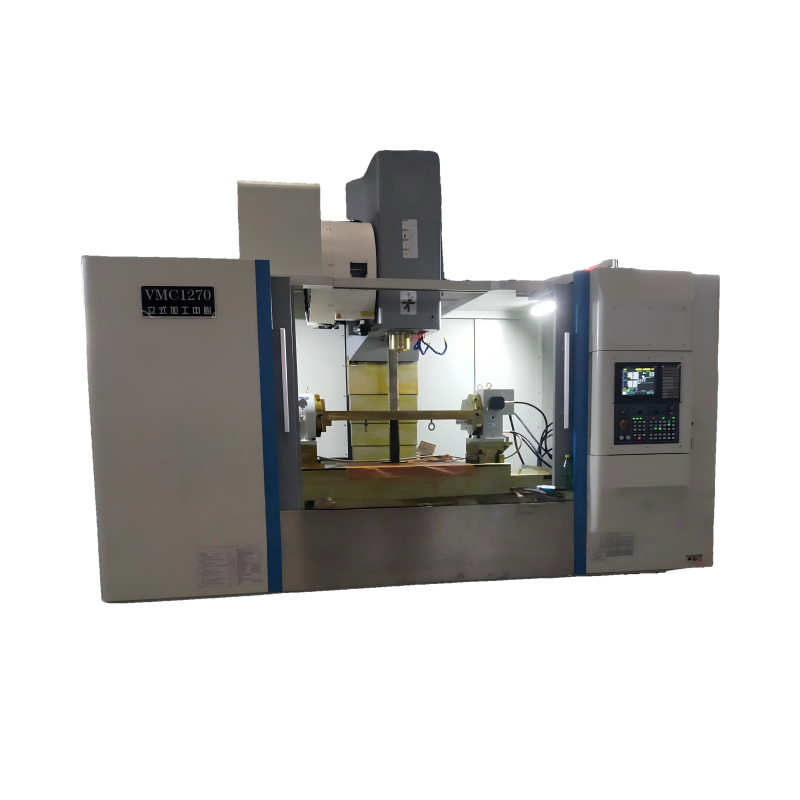
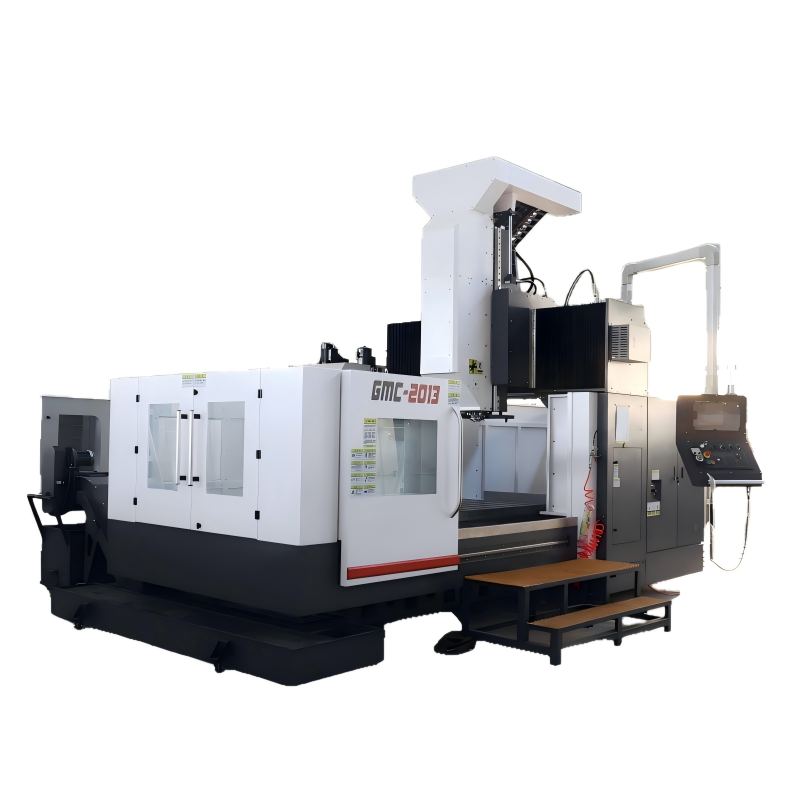
When it comes to machinery export, especially the CNC lathe from China, making an informed decision is crucial. The Chinese market offers a wide array of options, each with its own set of features and capabilities. This article aims to guide you through the process of choosing the right CNC Lathe for your specific needs, ensuring that you make a well-informed and cost-effective choice.
The first step in selecting the appropriate CNC lathe is to have a clear understanding of your specific requirements. This includes the type of materials you will be working with, the precision and accuracy needed, and the volume of production. For instance, if you are dealing with high-precision components, you may need a CNC lathe with advanced features such as automatic tool changers and high-resolution encoders. On the other hand, if your production volume is low, a more basic model might suffice. It's essential to align your needs with the capabilities of the CNC lathe to ensure optimal performance and efficiency.
Once you have a clear idea of your requirements, the next step is to evaluate the technical specifications of the CNC lathe. Key factors to consider include the spindle speed, power, and the number of axes. Spindle speed is particularly important as it determines the cutting rate and, consequently, the productivity of the machine. Power is another critical factor, as it affects the ability of the CNC lathe to handle different materials. Additionally, the number of axes (e.g., 2-axis, 3-axis, or multi-axis) will determine the complexity of the operations the machine can perform. A 3-axis CNC lathe, for example, can handle more complex geometries compared to a 2-axis machine. By carefully evaluating these technical specifications, you can ensure that the CNC lathe meets your operational needs.
The quality and reliability of the CNC lathe are paramount, especially when considering machinery export from China. Look for manufacturers with a strong reputation for producing durable and reliable machines. One way to assess this is by checking customer reviews and testimonials. Additionally, it's beneficial to inquire about the warranty and after-sales support offered by the manufacturer. A comprehensive warranty and responsive customer service can provide peace of mind and help minimize downtime in case of any issues. Furthermore, consider the availability of spare parts and the ease of maintenance. A CNC lathe that is easy to maintain and has readily available spare parts can save you significant time and money in the long run.
Cost is always a significant factor when making any investment, including the purchase of a CNC lathe. However, it's important to look beyond the initial price and consider the overall cost-benefit ratio. This includes the total cost of ownership, which encompasses not only the purchase price but also the operating costs, maintenance costs, and potential return on investment. A higher-priced CNC lathe may offer better performance, durability, and lower operating costs, resulting in a more cost-effective solution over the long term. Conversely, a cheaper option may have higher maintenance and operational costs, leading to a higher total cost of ownership. Therefore, it's crucial to conduct a thorough cost-benefit analysis to ensure that the CNC lathe provides the best value for your investment.
When exporting a CNC lathe from China, it's essential to ensure that the machine complies with international standards. This includes safety standards, environmental regulations, and industry-specific requirements. Compliance with these standards ensures that the CNC lathe is safe to operate and meets the necessary quality and performance benchmarks. It also facilitates smoother import and export processes, reducing the risk of delays or additional costs due to non-compliance. When evaluating potential suppliers, ask for certifications and compliance documents to verify that the CNC lathe meets the required standards. This step is particularly important for businesses that operate in regulated industries or export to countries with strict regulatory requirements.
In conclusion, choosing the right CNC lathe for your machinery needs requires a careful and systematic approach. By understanding your specific requirements, evaluating the technical specifications, considering the quality and reliability, assessing the cost-benefit ratio, and ensuring compliance with international standards, you can make an informed decision that aligns with your business goals. The machinery export market from China offers a wide range of options, and with the right considerations, you can find a CNC lathe that delivers the performance, efficiency, and value you need.
 17/06/2026
In recent years, the export of machinery, particularly CNC lathe from China, has seen a significant increase, transforming the global manufacturing landscape. This report delves into the impact of Chinese CNC lathes on the international market and how the
Read More17/06/2026IntroductionThe global market for machinery, particularly CNC lathes, has seen a significant surge in demand. As manufacturing processes become more sophisticated and the need for precision engineering grows, businesses are increasingly looking to China a
Read More17/06/2026The global machinery market has been experiencing a transformative phase, driven by advancements in technology and an increasing demand for precision. Among the key players in this evolution is China, which has emerged as a leading exporter of high-qualit
Read More16/06/2026When it comes to machinery export, particularly CNC lathe from China, the global market has seen a significant shift in recent years. Chinese manufacturers have become increasingly competitive, offering high-quality products at more affordable prices. Thi
Read More16/06/2026The manufacturing industry is undergoing a significant transformation, with advanced technologies such as CNC (Computer Numerical Control) lathes playing a crucial role in this evolution. China, as one of the world's leading manufacturers, has been at the
Read More16/06/2026The global machinery market has seen significant transformations over the past few decades, with China emerging as a major player in the export of high-precision manufacturing equipment. One notable category within this sector is the CNC lathe, a machine
Read More16/06/2026Understanding the Advantages of CNC Lathes from ChinaThe global machinery export market has seen a significant increase in demand for CNC lathe machines, particularly those originating from China. Chinese manufacturers have been at the forefront of innova
Read More16/06/2026China has emerged as a leading player in the global machinery market, particularly with its CNC lathes. These advanced machines have gained significant traction due to their precision, efficiency, and cost-effectiveness. This report explores the advantage
Read More16/06/2026In today’s global manufacturing landscape, the importance of machinery export, especially CNC lathes from China, cannot be overstated. As industries around the world seek to enhance their production capabilities and efficiency, importing high-quality CNC
Read MoreOur professional sales team is always ready to assist you.