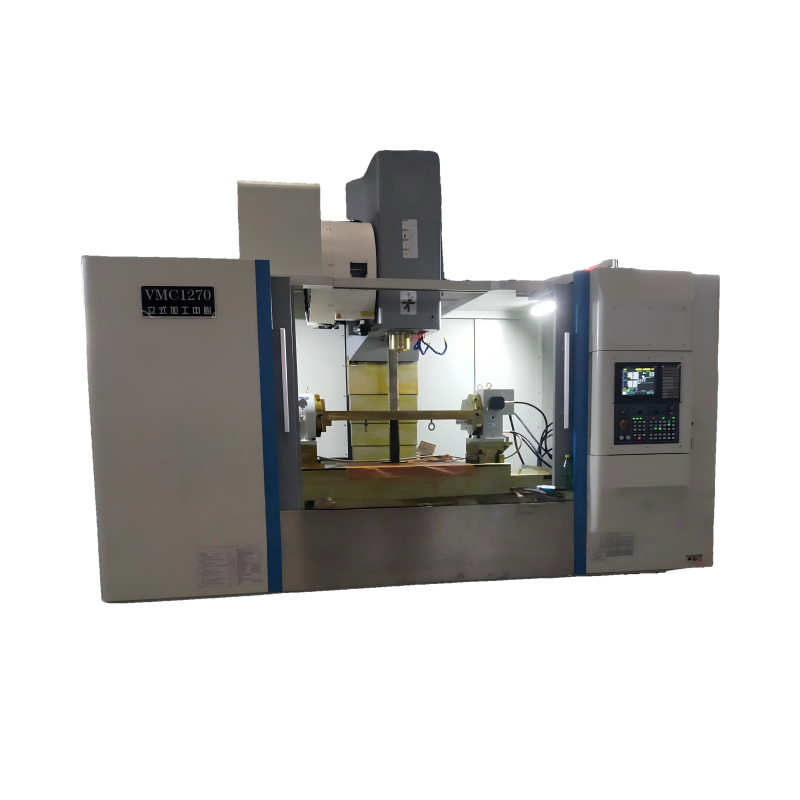
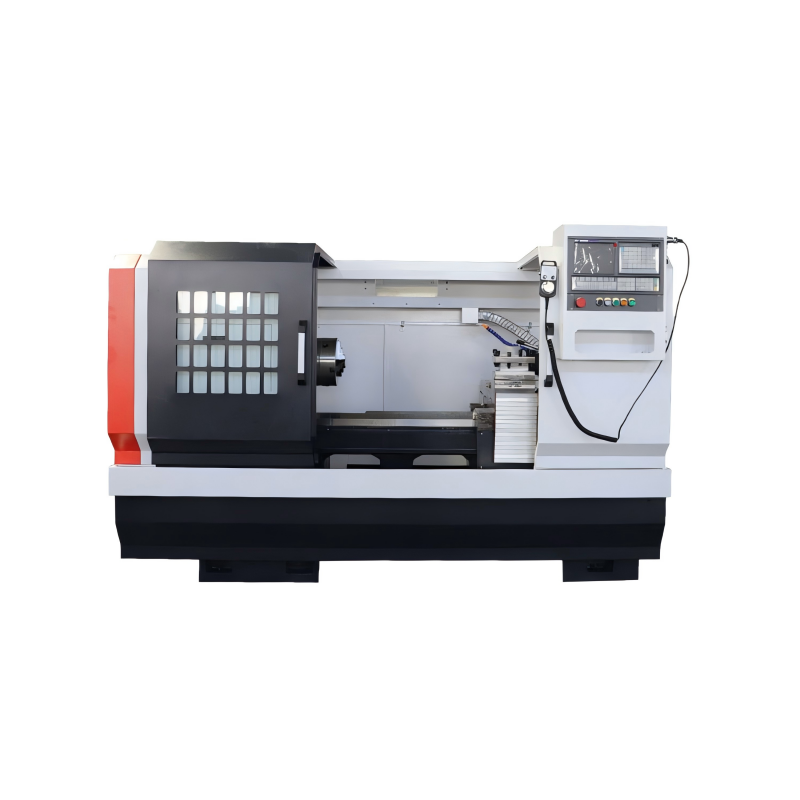
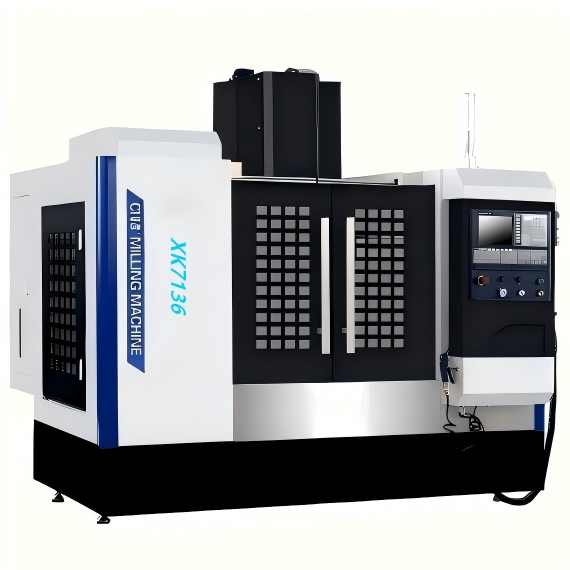
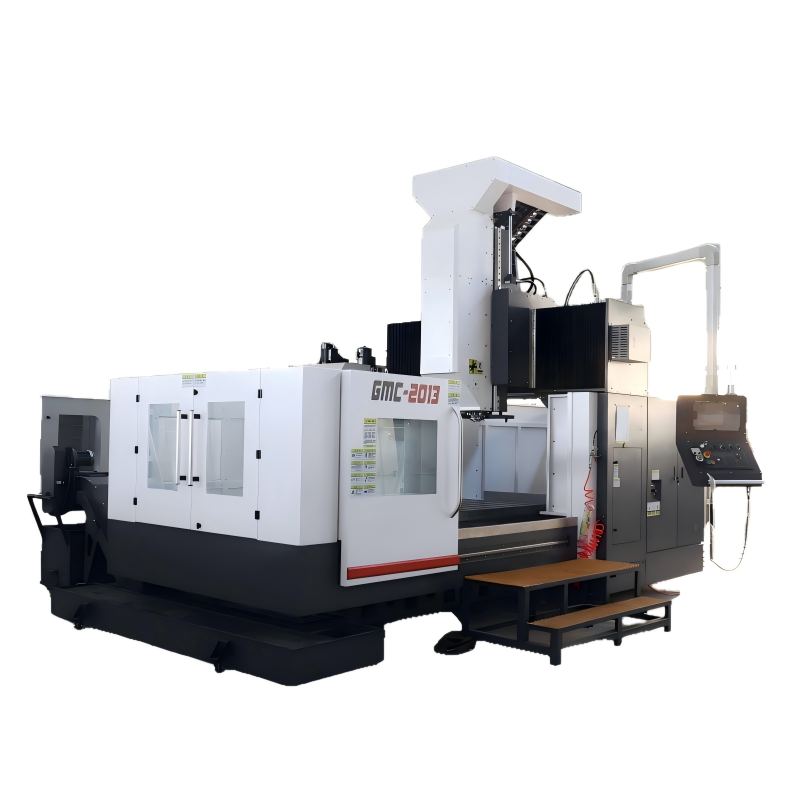
When it comes to machining long shafts, understanding the unique requirements and challenges is crucial. A Lathe for Long Shaft must be capable of handling not only the length but also the precision and stability necessary for such projects. This section will explore the key considerations that make a lathe suitable for long shaft work, including the importance of bed rigidity, spindle accuracy, and the role of tooling in achieving high-quality results.
One of the primary concerns when working with long shafts is the potential for deflection. The longer the workpiece, the more susceptible it is to bending or warping under its own weight or during the cutting process. Therefore, a robust and rigid machine bed is essential. High-quality lathes designed for long shafts often feature reinforced beds, which are wider and more stable than those found on standard lathes. Additionally, the use of boxway construction can further enhance the rigidity of the machine, ensuring that the workpiece remains straight and true throughout the machining process.
Spindle accuracy is another critical factor. For long shaft projects, the spindle must maintain consistent rotational speed and alignment. Any deviation can result in poor surface finish and dimensional inaccuracies. High-precision spindles, often equipped with advanced bearings and dynamic balancing, are essential for maintaining the required tolerances. Furthermore, the ability to adjust the spindle speed according to the material and cutting conditions is vital for achieving optimal results.
Finally, the choice of tooling plays a significant role in the success of long shaft projects. Specialized tools, such as extended-length cutting tools and steady rests, are necessary to support the workpiece and ensure accurate and efficient machining. Steady rests, in particular, are crucial for providing additional support at various points along the length of the shaft, reducing the risk of deflection and improving overall machining accuracy.
Choosing the right lathe for long shaft projects involves carefully evaluating the machine's capacity and flexibility. The capacity of a lathe refers to its maximum workpiece dimensions, including the length, diameter, and weight that it can handle. For long shafts, the most critical dimension is the distance between centers, which determines the maximum length of the workpiece that can be machined. It is essential to select a lathe with a distance between centers that exceeds the length of the longest shaft you plan to work on.
Flexibility is another important aspect to consider. A versatile lathe should be able to accommodate a wide range of materials and cutting operations. This includes the ability to perform turning, facing, threading, and other common machining tasks. Additionally, a lathe with programmable controls, such as CNC (Computer Numerical Control) capabilities, can offer greater flexibility and precision. CNC Lathes allow for the creation of complex profiles and can be programmed to perform multiple operations in a single setup, reducing the need for manual adjustments and increasing productivity.
Another factor to consider is the availability of accessories and attachments. These can include live centers, faceplates, and various types of chucks, all of which can expand the lathe's capabilities and make it more adaptable to different project requirements. For example, a four-jaw independent chuck can provide better gripping and centering for irregularly shaped workpieces, while a collet chuck can offer high-precision clamping for cylindrical parts.
Furthermore, the ease of setup and operation is a key consideration. A well-designed lathe should have intuitive controls and easy-to-use features, such as quick-change tool holders and automatic tool changers. These features can significantly reduce setup times and improve the overall efficiency of the machining process. Additionally, the presence of safety features, such as emergency stop buttons and protective guards, is essential for ensuring a safe working environment.
Investing in a lathe for long shaft projects is a significant financial decision, and it is essential to carefully assess the cost and return on investment (ROI). The initial cost of the lathe is just one part of the equation; ongoing maintenance, energy consumption, and the potential for increased productivity and quality must also be considered.
The upfront cost of a lathe can vary widely depending on its features, brand, and size. High-end lathes with advanced capabilities, such as CNC controls and high-precision spindles, tend to be more expensive. However, these features can lead to significant long-term savings by reducing scrap rates, improving production efficiency, and enhancing the overall quality of the finished product. It is important to balance the initial investment with the expected benefits and the specific needs of your long shaft projects.
Maintenance costs are another factor to consider. Regular maintenance, such as lubrication, calibration, and replacement of worn parts, is necessary to keep the lathe in optimal condition. Some lathes may require more frequent and costly maintenance, while others may be designed for low-maintenance operation. It is advisable to review the manufacturer's maintenance recommendations and factor these costs into your budget.
Energy consumption is also a consideration, especially for large, high-capacity lathes. Efficient motors and drive systems can help reduce energy usage, leading to lower operating costs over time. Additionally, some lathes may offer energy-saving features, such as power-down modes and variable-speed drives, which can further reduce energy consumption.
Finally, the potential for increased productivity and quality should be a key factor in your ROI assessment. A high-quality lathe can significantly reduce cycle times, minimize rework, and produce parts with tighter tolerances and better surface finishes. This can lead to higher customer satisfaction, repeat business, and a competitive edge in the market. By carefully evaluating the total cost of ownership and the potential benefits, you can make an informed decision that maximizes your return on investment.
Selecting the right lathe for long shaft projects requires a thorough understanding of the specific needs and challenges involved. Key considerations include the machine's rigidity, spindle accuracy, and the appropriate tooling. Additionally, evaluating the lathe's capacity, flexibility, and the cost and return on investment are crucial steps in making an informed decision. By taking these factors into account, you can choose a lathe that not only meets your current requirements but also supports your future growth and success in long shaft machining.
 23/06/2026
The lathe for long shaft operations is a specialized piece of machinery designed to handle the unique challenges associated with machining extended lengths. This report delves into the critical aspects of operating such lathes, focusing on setup considera
Read More23/06/2026Working with a lathe, especially when dealing with long shafts, presents unique challenges and requires a specialized set of skills. This report aims to provide essential tips for effectively using a lathe for long shaft machining. The following sections
Read More23/06/2026A lathe for long shaft is a specialized machine designed to work with elongated pieces of material, such as metal or wood. These machines are essential in industries that require precision and accuracy when working on long, cylindrical objects. This techn
Read MoreOur professional sales team is always ready to assist you.