In the world of machining, choosing the right small VMC (Vertical Machining Center) for your workshop is a decision that can significantly impact productivity and efficiency. This article will guide you through the key considerations and steps to ensure you make an informed choice that aligns with your specific needs.
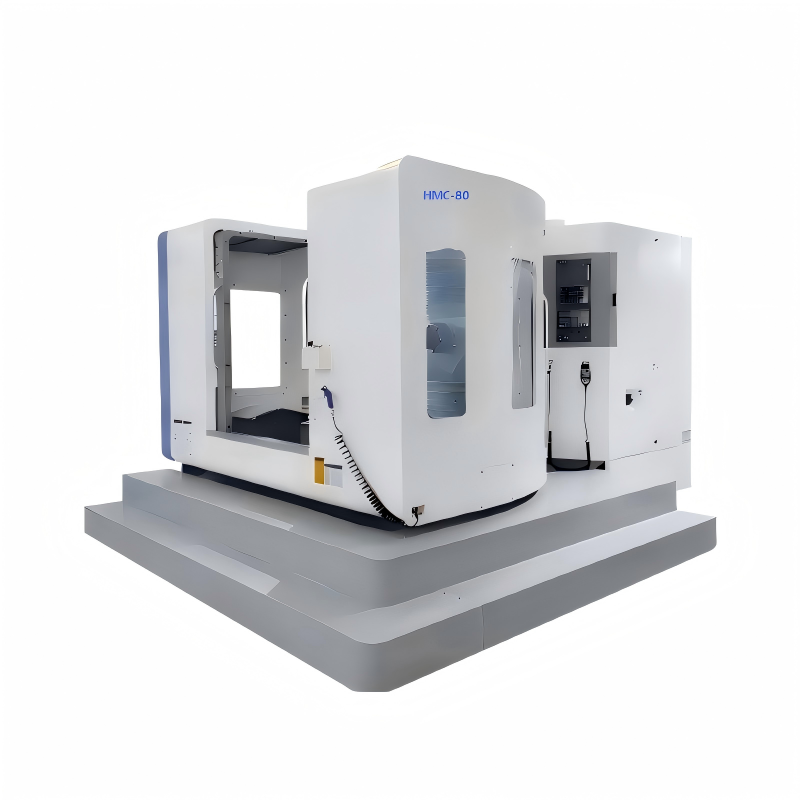
A Small VMC for Workshop is designed to provide high precision and versatility in a compact form factor. These machines are ideal for workshops with limited space but require the capability to handle a variety of machining tasks. Understanding the basics of what a VMC offers is the first step in making the right choice. A typical VMC includes a spindle, tool changer, and worktable, all of which contribute to its ability to perform complex operations such as milling, drilling, and tapping. The compact design of a small VMC makes it suitable for small to medium-sized parts, while still offering the precision and power needed for high-quality results.
Before diving into the specifics of different VMC models, it's crucial to evaluate your workshop's needs. Consider the types of materials you will be working with, the complexity of the parts you need to produce, and the volume of production. For example, if you primarily work with soft metals like aluminum, a less powerful spindle might suffice. However, if you frequently machine harder materials like steel or titanium, a more robust spindle and higher torque are essential. Additionally, think about the size of the parts you will be machining. A small VMC for workshop use should have a worktable that can accommodate the largest part you plan to machine, with some margin for future growth.
When selecting a small VMC for your workshop, there are several key features to consider:
While the initial purchase price of a small VMC for workshop use is an important factor, it's equally important to consider the long-term costs. Maintenance, energy consumption, and the cost of consumables (like cutting tools and coolant) can add up over time. Opt for a VMC that is known for its reliability and ease of maintenance. Additionally, look for energy-efficient models that can help reduce your operating costs. Some VMCs also offer features like automatic lubrication and chip management systems, which can further reduce maintenance and improve overall efficiency.
Choosing the right small VMC for your workshop is a decision that requires careful consideration of your specific needs, the features of the machine, and the long-term costs. By understanding the basics of VMCs, evaluating your workshop's requirements, and focusing on key features, you can make an informed choice that will enhance your productivity and efficiency. Remember, a well-chosen small VMC for workshop use can be a valuable asset that pays dividends for years to come.
 19/06/2026
In the realm of manufacturing and small-scale production, the integration of a Small VMC (Vertical Machining Center) into a workshop can significantly boost productivity. This report delves into the practical aspects and strategic approaches for enhancing
Read More19/06/2026IntroductionThe integration of a Small VMC (Vertical Machining Center) into your personal workshop can significantly elevate the quality and efficiency of your projects. This guide aims to provide an in-depth look at setting up a Small VMC, ensuring it is
Read More19/06/2026In the realm of precision machining, the choice of machinery plays a pivotal role in determining both the quality and efficiency of the final product. A Small VMC for Workshop, or Vertical Machining Center, is an increasingly popular option due to its ver
Read More18/06/2026In today’s fast-paced manufacturing environment, the need for efficient and versatile machinery is more critical than ever. One such piece of equipment that has gained significant popularity among small to medium-sized workshops is the Small VMC (Vertical
Read More18/06/2026In the realm of home workshops, having the right tools can make all the difference. One such tool that has gained significant attention is the Small VMC (Vertical Machining Center). This article explores the benefits of integrating a Small VMC into your h
Read MoreOur professional sales team is always ready to assist you.