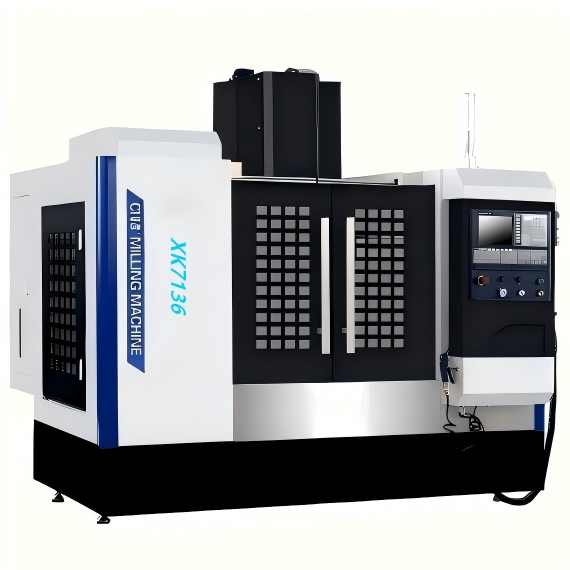
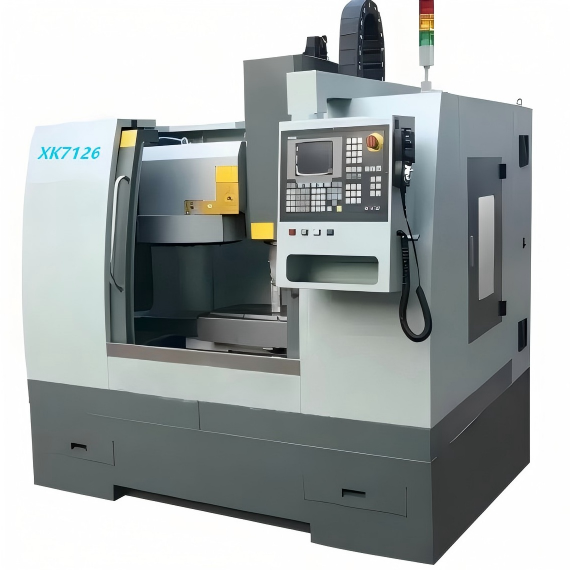
Vertical Machining Centers are pivotal in the manufacturing industry, offering precision and efficiency that can significantly boost productivity. As a Vertical Machining Center supplier, it is essential to understand how to maximize the potential of these machines to ensure optimal performance and longevity. This report will explore several key strategies for enhancing the efficiency of a vertical machining center, focusing on maintenance, advanced tooling, and process optimization.
Maintenance is the cornerstone of any efficient machine operation. For a vertical machining center, regular maintenance not only extends the lifespan of the equipment but also ensures consistent and high-quality output. A well-maintained machine is less likely to experience unexpected downtime, which can be costly and disruptive to production schedules.
To implement an effective maintenance strategy, it is crucial to follow the manufacturer's guidelines and schedule regular inspections. These inspections should include checking for wear and tear on critical components such as spindles, bearings, and cutting tools. Additionally, lubrication and cleaning routines should be strictly adhered to, as they prevent the buildup of debris and contaminants that can lead to premature wear and reduced accuracy.
One of the best practices in maintenance is to keep a detailed log of all maintenance activities, including dates, tasks performed, and any issues discovered. This log serves as a valuable reference for future maintenance and can help identify trends or recurring problems. By staying proactive with maintenance, a Vertical Machining Center Supplier can ensure that their machines remain in top condition, ready to meet the demands of high-precision manufacturing.
The choice of tooling can have a significant impact on the performance of a vertical machining center. High-quality, advanced tooling not only improves the precision of the cuts but also increases the speed of the machining process. This, in turn, leads to higher throughput and greater overall efficiency.
When selecting tooling, it is important to consider factors such as material compatibility, cutting geometry, and tool life. Modern carbide and ceramic tools, for example, offer superior hardness and wear resistance, making them ideal for high-speed and high-precision applications. Additionally, coated tools can further enhance performance by reducing friction and heat generation, which are common causes of tool failure.
Another key aspect of advanced tooling is the use of automated tool changers. These systems allow for rapid and precise tool changes, minimizing setup times and maximizing machine uptime. By integrating advanced tooling into their operations, a vertical machining center supplier can achieve higher levels of productivity and maintain a competitive edge in the market.
Optimizing the machining process is another critical factor in maximizing the efficiency of a vertical machining center. This involves a comprehensive approach that includes analyzing and refining the entire workflow, from raw material handling to finished product inspection.
One effective method for process optimization is the implementation of computer-aided manufacturing (CAM) software. CAM software allows for the simulation and optimization of machining processes, enabling operators to identify and eliminate inefficiencies before they occur. This can include optimizing tool paths, reducing unnecessary movements, and ensuring that the machine is operating at its full capacity.
Additionally, lean manufacturing principles can be applied to streamline operations and reduce waste. This includes minimizing setup times, improving material flow, and standardizing processes to ensure consistency and quality. By continuously monitoring and refining the machining process, a vertical machining center supplier can achieve higher levels of efficiency and deliver products that meet the highest standards of quality and precision.
In today’s data-driven world, leveraging analytics is crucial for continuous improvement and maintaining a competitive edge. A vertical machining center supplier can benefit greatly from collecting and analyzing data on machine performance, tool usage, and production metrics. This data can provide valuable insights into areas where improvements can be made, helping to optimize both the machine and the overall manufacturing process.
Implementing a robust data collection system, such as a machine monitoring system, allows for real-time tracking of key performance indicators (KPIs). These KPIs can include cycle time, tool life, and machine utilization. By analyzing this data, operators can identify bottlenecks, predict maintenance needs, and make informed decisions to enhance efficiency.
Furthermore, predictive analytics can be used to forecast future performance and anticipate potential issues. For example, by analyzing historical data, a vertical machining center supplier can predict when a particular tool is likely to fail and schedule preventive maintenance accordingly. This proactive approach can significantly reduce downtime and improve overall operational efficiency.
Finally, the success of any manufacturing operation depends heavily on the skills and knowledge of the workforce. A vertical machining center supplier must invest in training and development programs to ensure that their employees are equipped with the necessary skills to operate and maintain the machinery effectively.
Comprehensive training programs should cover both theoretical and practical aspects of vertical machining. This includes understanding the machine’s capabilities, learning how to program and operate the machine, and mastering maintenance and troubleshooting techniques. Regular refresher courses and ongoing education can also help keep the workforce up-to-date with the latest technologies and best practices.
By investing in the professional development of their employees, a vertical machining center supplier can create a more skilled and motivated workforce. This, in turn, leads to better machine utilization, higher productivity, and a more efficient manufacturing process overall.
In conclusion, maximizing the efficiency of a vertical machining center requires a multifaceted approach that includes regular maintenance, advanced tooling, process optimization, data-driven decision making, and employee training. By implementing these strategies, a vertical machining center supplier can ensure that their machines operate at peak performance, delivering high-quality products and maintaining a competitive advantage in the market.
 23/06/2026
Understanding the Importance of Reliability in a Vertical Machining Center SupplierThe foundation of any successful manufacturing operation lies in the reliability of its machinery and the partners that supply it. A Vertical Machining Center (VMC) is no e
Read More23/06/2026When it comes to selecting the right vertical machining center for your manufacturing needs, a comprehensive understanding of the machine's capabilities, along with the support and expertise of a reliable vertical machining center supplier, is crucial. Th
Read More23/06/2026When it comes to selecting the right vertical machining center for your specific needs, a thorough understanding of the available options and their capabilities is crucial. This decision can significantly impact the efficiency, productivity, and quality o
Read MoreOur professional sales team is always ready to assist you.