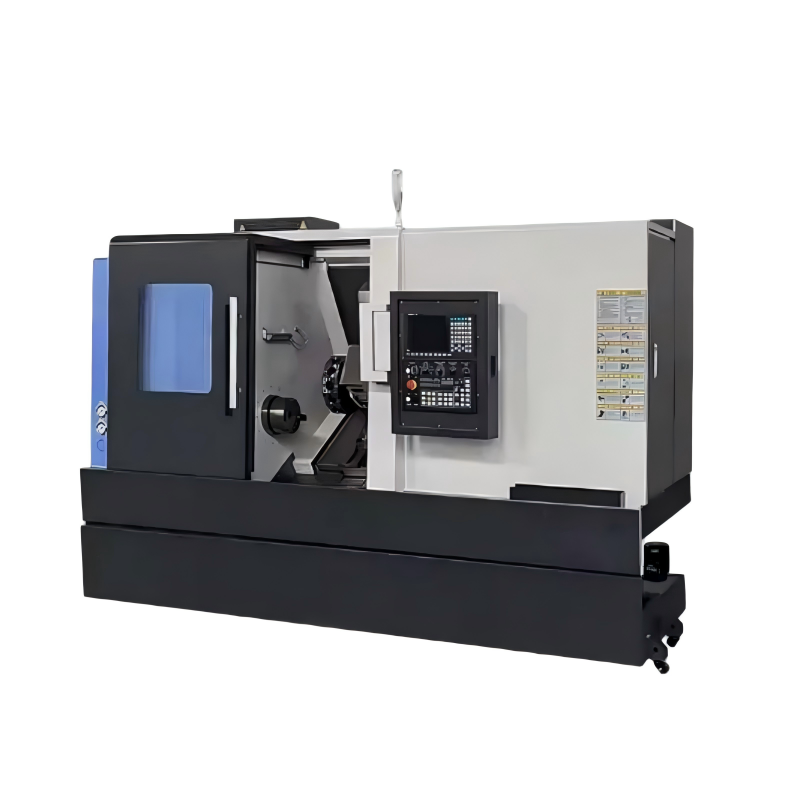
In the realm of precision manufacturing, the economic 2-axis CNC lathe stands out as a cost-effective solution for many small to medium-sized enterprises. This report aims to explore how businesses can maximize productivity with an economic 2-axis CNC Lathe, providing practical insights and strategies.
Optimizing Tool Paths for Efficiency
One of the primary ways to enhance productivity with an economic 2-Axis CNC Lathe is through the optimization of tool paths. Efficient tool paths not only reduce machining time but also minimize wear on the cutting tools, thereby extending their lifespan. To achieve this, it is essential to employ advanced CAM (Computer-Aided Manufacturing) software that can generate optimized tool paths based on the specific geometry of the part being machined.
Additionally, operators should consider using high-speed machining techniques, which involve taking smaller, more frequent cuts at higher speeds. This approach can significantly reduce the overall machining time while maintaining the quality of the finished product. By carefully analyzing the workpiece and selecting the most appropriate cutting parameters, manufacturers can achieve a balance between speed and accuracy, leading to increased productivity.
Implementing Automation and Integration
Automation plays a crucial role in maximizing the productivity of an Economic 2-Axis CNC Lathe. By integrating automation into the machining process, manufacturers can reduce manual labor, minimize human error, and increase the consistency of the output. One effective way to implement automation is through the use of automatic tool changers, which allow for seamless switching between different cutting tools without the need for operator intervention.
Another key aspect of automation is the integration of the CNC lathe with other manufacturing systems, such as material handling robots and conveyors. This integration can create a streamlined production line, where parts are automatically loaded and unloaded, and the CNC lathe operates continuously. Furthermore, the use of robotic arms for part loading and unloading can further enhance efficiency by reducing the downtime associated with manual operations.
Maintaining and Upgrading the CNC Lathe
Regular maintenance and timely upgrades are essential for ensuring the optimal performance of an economic 2-axis CNC lathe. A well-maintained machine will operate more efficiently, produce higher quality parts, and have a longer service life. Key maintenance tasks include cleaning the machine, lubricating moving parts, and inspecting for any signs of wear or damage.
Upgrading the CNC lathe with the latest technology can also significantly boost productivity. For example, upgrading to a more powerful spindle can enable faster cutting speeds, while installing a more advanced control system can improve the precision and accuracy of the machining process. Additionally, investing in new cutting tools and materials can lead to better surface finishes and reduced cycle times.
It is also important to keep the software up to date. Modern CAM software often includes features that can optimize tool paths, simulate machining processes, and provide real-time feedback on the machine's performance. By staying current with the latest software updates, manufacturers can take full advantage of these features to enhance productivity.
Training and Skill Development for Operators
The skill level of the operators is a critical factor in maximizing the productivity of an economic 2-axis CNC lathe. Well-trained operators are more efficient, make fewer mistakes, and can troubleshoot issues more effectively. Therefore, it is essential to invest in comprehensive training programs that cover both the technical aspects of operating the CNC lathe and the broader principles of manufacturing and quality control.
Training should be ongoing, with regular refresher courses and opportunities for operators to learn about new technologies and best practices. This continuous learning approach ensures that operators remain up to date with the latest developments in the field and can adapt to changes in the manufacturing process. Additionally, fostering a culture of continuous improvement within the organization can encourage operators to share their knowledge and experiences, leading to a more collaborative and productive work environment.
Utilizing Data and Analytics for Continuous Improvement
Data and analytics play a vital role in optimizing the performance of an economic 2-axis CNC lathe. By collecting and analyzing data from the machining process, manufacturers can identify areas for improvement, predict potential issues, and make data-driven decisions to enhance productivity. Key data points to monitor include cycle times, tool wear, and machine utilization.
Modern CNC lathes often come equipped with built-in sensors and data collection systems that can provide real-time information on the machine's performance. This data can be used to create detailed reports and dashboards, allowing managers to track key performance indicators (KPIs) and make informed decisions. Additionally, predictive maintenance algorithms can be used to anticipate when maintenance is required, reducing the likelihood of unexpected downtime.
By leveraging data and analytics, manufacturers can also identify patterns and trends that may not be immediately apparent. For example, analyzing historical data can reveal the most common causes of tool failure, allowing for the implementation of preventive measures. Similarly, data on machine utilization can help in optimizing the production schedule and balancing the workload across multiple machines.
In conclusion, maximizing productivity with an economic 2-axis CNC lathe requires a multifaceted approach that includes optimizing tool paths, implementing automation, maintaining and upgrading the machine, training operators, and utilizing data and analytics. By focusing on these key areas, manufacturers can achieve significant improvements in efficiency, quality, and overall productivity.
 22/06/2026



