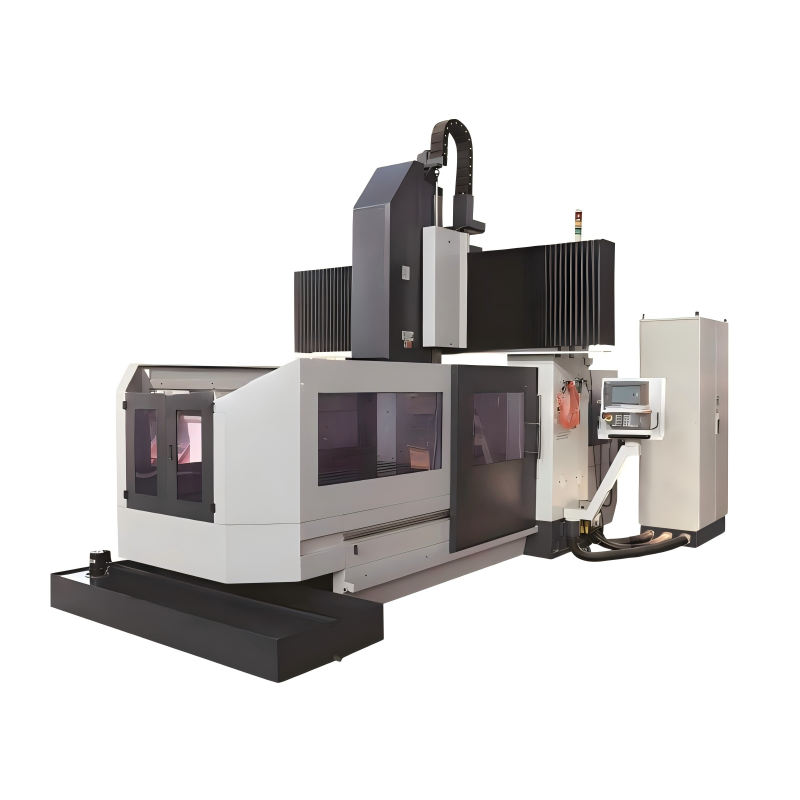
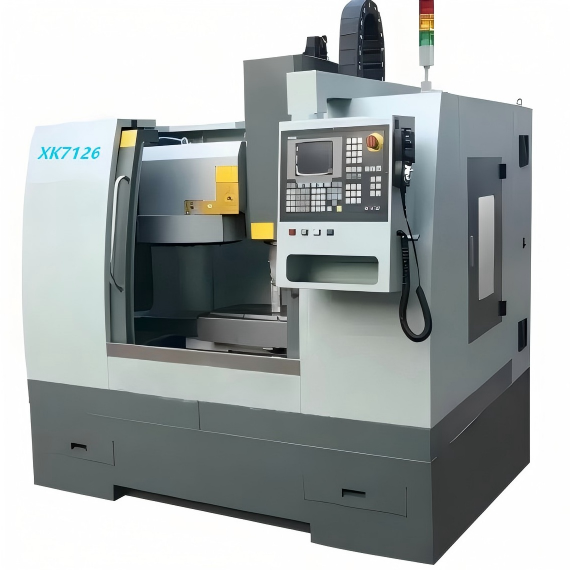
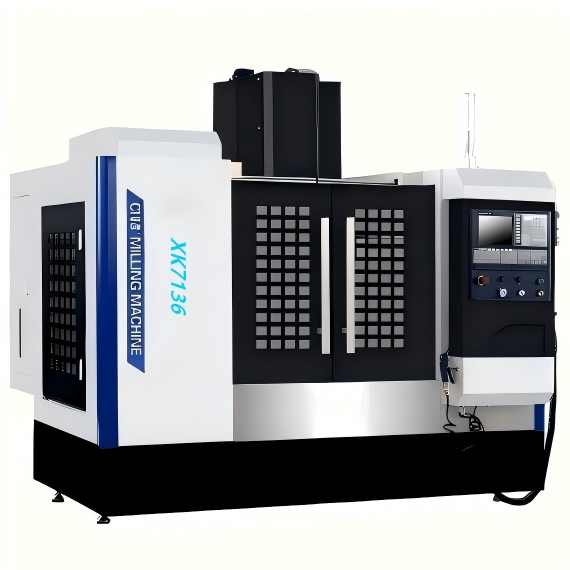
Over the past few decades, China precision lathe has emerged as a formidable force in the global machining industry. This transformation is not just a story of rapid industrialization but also one of technological advancement and innovation. Chinese manufacturers have been investing heavily in research and development, leading to the creation of lathes that are not only cost-effective but also highly precise and reliable. The rise of these machines on the world stage signifies a shift in the balance of power within the manufacturing sector, with China now being seen as a key player in setting new standards for precision and efficiency.
One of the most significant factors driving this evolution is the adoption of advanced technologies such as CNC (Computer Numerical Control) systems. These systems allow for greater accuracy and repeatability in machining processes, making China precision lathe an attractive option for industries requiring high-precision components. Moreover, the integration of IoT (Internet of Things) and AI (Artificial Intelligence) into modern lathes further enhances their capabilities, enabling real-time monitoring and predictive maintenance, thus reducing downtime and increasing productivity.
In today’s competitive landscape, businesses are constantly seeking ways to improve their operational efficiencies. China precision lathe offers several advanced features that contribute significantly to enhancing productivity. For instance, multi-axis machining capabilities enable the production of complex parts with a single setup, which reduces the need for multiple operations and handling, thereby saving time and resources. Additionally, the use of high-speed spindles and rapid tool changers allows for faster cutting speeds and shorter cycle times, leading to increased output without compromising on quality.
Furthermore, the incorporation of automation solutions, such as robotic arms and automated material handling systems, further streamlines the manufacturing process. These technologies work in tandem with China precision lathe to create a seamless workflow, from raw material input to finished product output. By automating repetitive tasks, companies can focus more on value-added activities like design and engineering, ultimately leading to better products and services.
As environmental concerns continue to grow, there is an increasing demand for sustainable manufacturing practices. China precision lathe manufacturers are responding to this call by developing machines that are not only efficient but also environmentally friendly. One way they achieve this is through energy-efficient designs that consume less power while maintaining high performance levels. Additionally, the use of recyclable materials in the construction of these lathes helps reduce waste and promotes a circular economy.
Another aspect of sustainability is the reduction of coolant and lubricant usage. Modern China precision lathe models often incorporate minimum quantity lubrication (MQL) systems, which deliver a fine mist of oil directly to the cutting zone. This approach not only minimizes the amount of lubricant needed but also reduces the environmental impact associated with disposal. Furthermore, some manufacturers are exploring the use of biodegradable coolants and lubricants, further contributing to their commitment to sustainability.
Quality assurance is a critical factor in the success of any manufacturing operation. China precision lathe has made significant strides in ensuring that the machines meet the highest standards of reliability and performance. Rigorous testing and inspection procedures are implemented at every stage of the production process, from raw material selection to final assembly. This ensures that each machine leaving the factory floor is capable of delivering consistent results over its operational life.
Moreover, many Chinese manufacturers offer comprehensive after-sales support, including training programs, technical assistance, and spare parts availability. This level of service not only enhances customer satisfaction but also contributes to the long-term reliability of the machines. By providing robust support and maintenance, China precision lathe manufacturers help ensure that their products remain a valuable asset to their customers' operations.
Looking ahead, the future of China precision lathe is likely to be shaped by ongoing advancements in technology and changing market demands. One of the key trends is the continued integration of Industry 4.0 technologies, such as augmented reality (AR) and virtual reality (VR), which can provide operators with real-time visualizations of the machining process. This can lead to better decision-making and more efficient troubleshooting, ultimately improving overall productivity.
Another area of innovation is the development of hybrid machines that combine the capabilities of lathes with other types of machinery, such as milling centers. These hybrid machines offer a more versatile solution for manufacturers, allowing them to perform a wider range of operations with a single piece of equipment. This not only saves space and reduces capital investment but also simplifies the production process, making it more flexible and adaptable to changing requirements.
Finally, the push towards more sustainable and eco-friendly manufacturing practices will continue to drive the development of new materials and technologies. For example, the use of lightweight, high-strength alloys and composites in the construction of China precision lathe can lead to machines that are both more durable and environmentally friendly. Additionally, the exploration of renewable energy sources, such as solar and wind power, to operate these machines can further reduce their carbon footprint.
 03/06/2026
In the realm of modern manufacturing, precision is not just a preference but an absolute necessity. The advent and evolution of China precision lathe technologies have significantly contributed to this quest for perfection, enhancing industrial efficiency
Read More02/06/2026In the realm of modern manufacturing, precision is not just a desirable trait but an absolute necessity. This has led to the rise in popularity and demand for high-quality machinery such as the China precision lathe. These machines are known for their abi
Read More02/06/2026In the realm of modern manufacturing, the role of CNC lathe machine China has become increasingly significant. This article delves into the advantages that these machines bring to the table, highlighting their impact on productivity, precision, and overal
Read MoreOur professional sales team is always ready to assist you.