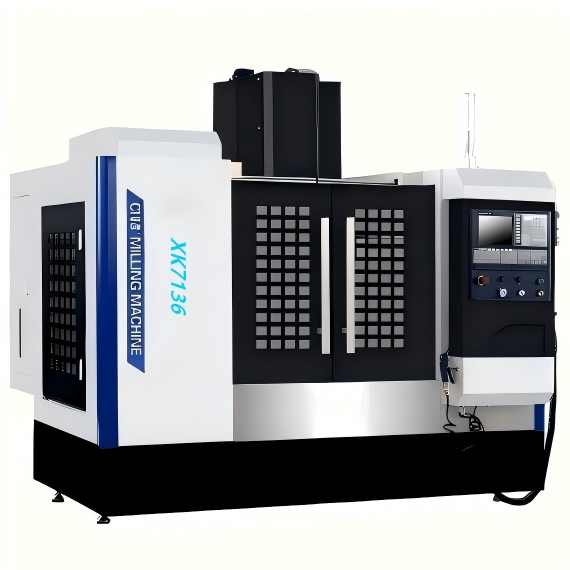
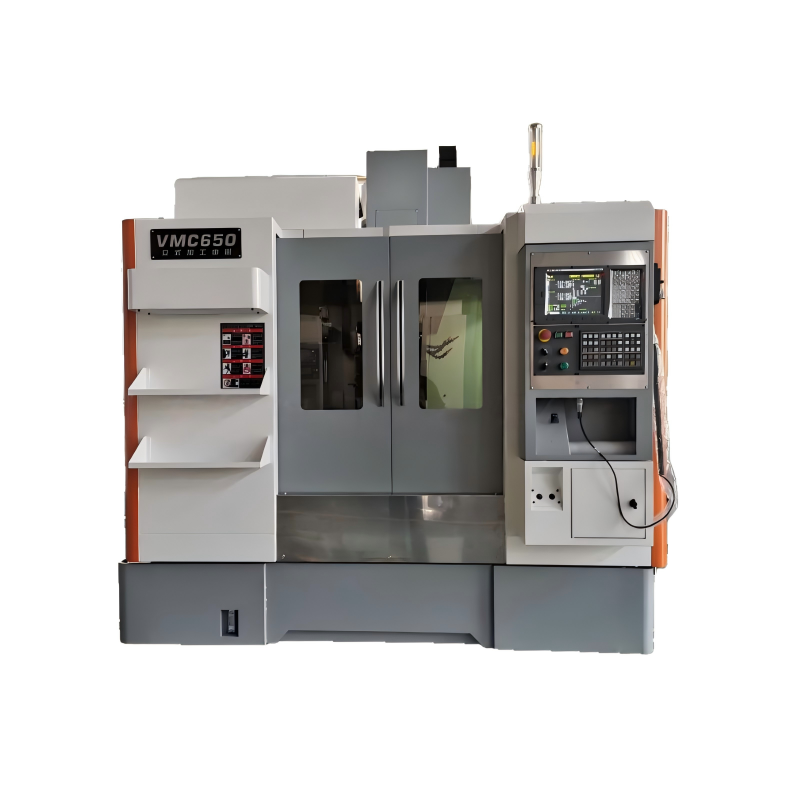
In the ever-evolving landscape of aerospace manufacturing, CNC Horizontal Lathe Machines are playing a pivotal role in transforming the industry. These advanced machines offer unparalleled precision, efficiency, and versatility, making them indispensable for producing high-quality components. This report delves into how CNC horizontal lathes are revolutionizing the aerospace industry, focusing on their impact on production processes, quality control, cost-effectiveness, and future trends.
CNC Horizontal Lathe Machines are equipped with state-of-the-art technology that allows for extremely tight tolerances. This level of precision is crucial in the aerospace industry, where even the slightest deviation can lead to catastrophic failures. The use of these machines ensures that components meet the stringent standards required for aircraft and spacecraft.
One of the key advantages of CNC horizontal lathes is their ability to produce consistent results. Unlike manual lathes, which can be prone to human error, CNC machines follow pre-programmed instructions, ensuring that each part is identical. This consistency is vital for maintaining the integrity and reliability of aerospace components.
CNC Horizontal Lathe Machines are highly automated, allowing for continuous operation with minimal human intervention. This automation not only increases the speed of production but also reduces the likelihood of errors. In the aerospace industry, where time is of the essence, the ability to produce parts quickly and efficiently is a significant advantage.
Traditional lathes often require extensive setup times, which can be a bottleneck in the production process. CNC horizontal lathes, on the other hand, can be programmed to switch between different tasks with ease, significantly reducing setup time. This flexibility allows manufacturers to respond more quickly to changing demands and improve overall productivity.
By automating many of the tasks traditionally performed by skilled laborers, CNC Horizontal Lathe Machines help reduce labor costs. This is particularly beneficial in the aerospace industry, where the cost of skilled labor can be high. Additionally, the reduced need for human intervention means that fewer operators are required, further lowering operational costs.
These machines are designed to optimize material usage, minimizing waste and maximizing efficiency. In the aerospace industry, where materials such as titanium and aluminum alloys can be expensive, this optimization is crucial. By using CNC horizontal lathes, manufacturers can ensure that they are getting the most out of their raw materials, reducing costs and improving sustainability.
CNC Horizontal Lathe Machines often come equipped with integrated quality assurance systems, such as in-process inspection tools and real-time monitoring. These features allow for continuous monitoring of the production process, ensuring that any deviations from the desired specifications are detected and corrected immediately. This level of quality control is essential in the aerospace industry, where the safety and performance of components are paramount.
The data collected by CNC horizontal lathes can be used to make informed decisions about the production process. By analyzing this data, manufacturers can identify areas for improvement, optimize machine settings, and enhance overall quality. This data-driven approach helps to ensure that the highest standards of quality are maintained throughout the production process.
As the aerospace industry continues to evolve, CNC Horizontal Lathe Machines are likely to become even more integrated with Industry 4.0 technologies. This integration will enable greater connectivity, data sharing, and predictive maintenance, further enhancing the efficiency and effectiveness of these machines. For example, the use of artificial intelligence (AI) and machine learning (ML) can help predict and prevent potential issues before they occur, ensuring smoother and more reliable operations.
The development of new materials and processes is another area where CNC horizontal lathes are expected to play a significant role. As the aerospace industry explores new materials, such as advanced composites and nanomaterials, these machines will need to adapt to handle these new materials effectively. Additionally, the development of new machining processes, such as additive manufacturing, may also influence the design and capabilities of future CNC horizontal lathes.
This content provides a comprehensive overview of how CNC Horizontal Lathe Machines are revolutionizing the aerospace industry, covering various aspects such as precision, efficiency, cost-effectiveness, quality control, and future trends. 10/06/2026
The CNC (Computer Numerical Control) Horizontal Lathe Machine is a sophisticated piece of equipment that has revolutionized the manufacturing industry. It combines precision, efficiency, and versatility, making it an indispensable tool for modern machinin
Read More08/06/2026In the realm of modern manufacturing, CNC Horizontal Lathe Machine technology has undergone significant advancements, leading to improved performance and reliability. This report delves into the latest innovations in CNC horizontal lathe design, highlight
Read More08/06/2026In the realm of modern manufacturing, the CNC Horizontal Lathe Machine has emerged as a pivotal technology, significantly enhancing industrial productivity. This report delves into the transformative impact of CNC horizontal lathes on the manufacturing se
Read More08/06/2026The evolution of metalworking has been significantly influenced by advancements in technology, particularly with the advent of CNC Horizontal Lathe Machines. These machines have become a cornerstone in modern manufacturing, offering precision, efficiency,
Read More07/06/2026In the realm of metalworking, CNC (Computer Numerical Control) Horizontal Lathe Machines stand out as indispensable tools for precision machining. This report delves into the multifaceted capabilities of these machines, highlighting their role in enhancin
Read More07/06/2026Proper maintenance of a CNC Horizontal Lathe Machine is crucial for ensuring its longevity and optimal performance. This report delves into the essential tips and strategies that can help extend the life of your machine, focusing on both preventive measur
Read More06/06/2026When it comes to investing in a CNC Horizontal Lathe Machine, making the right choice is crucial for achieving high productivity and quality in machining operations. This article explores key features that one should consider when purchasing a CNC horizon
Read More06/06/2026Choosing the right CNC Horizontal Lathe Machine for your workshop is a critical decision that can significantly impact your production efficiency, quality, and overall profitability. With the vast array of options available in the market, it's essential t
Read More05/06/2026In the rapidly evolving automotive industry, precision and efficiency are paramount. One of the key tools that have revolutionized the production of automotive parts is the CNC Horizontal Lathe Machine. This technical report delves into the role of these
Read More05/06/2026In the realm of precision manufacturing, the CNC Horizontal Lathe Machine stands out as a cornerstone for achieving both efficiency and accuracy. This advanced technology has revolutionized the way parts are machined, offering unparalleled control over th
Read More05/06/2026The Evolution of CNC Technology in Horizontal Lathe MachinesComputer Numerical Control (CNC) has revolutionized the manufacturing industry, especially with the introduction of CNC horizontal lathe machines. These advanced tools have transformed traditiona
Read More04/06/2026In the realm of modern manufacturing, CNC (Computer Numerical Control) Horizontal Lathe Machines have emerged as a cornerstone technology, offering unparalleled precision, versatility, and efficiency. These machines are pivotal in shaping the future of in
Read More04/06/2026CNC Horizontal Lathe Machine: A Comprehensive Guide to Precision Machining delves into the intricacies of using a CNC horizontal lathe machine for achieving high-precision machining. This guide covers the essential aspects of the machine, including its co
Read More04/06/2026Understanding the Basics of CNC Horizontal Lathe MachinesThe advent of CNC Horizontal Lathe Machine technology has revolutionized the machining industry, offering unparalleled precision and efficiency in manufacturing processes. A CNC (Computer Numerical
Read More04/06/2026In the world of manufacturing, precision and efficiency are paramount. A CNC Horizontal Lathe Machine is a critical tool that can significantly enhance both. However, choosing the right manufacturer for your CNC Horizontal Lathe Machine is a decision that
Read MoreOur professional sales team is always ready to assist you.