Enhanced Precision and Consistency in Automotive Parts Production
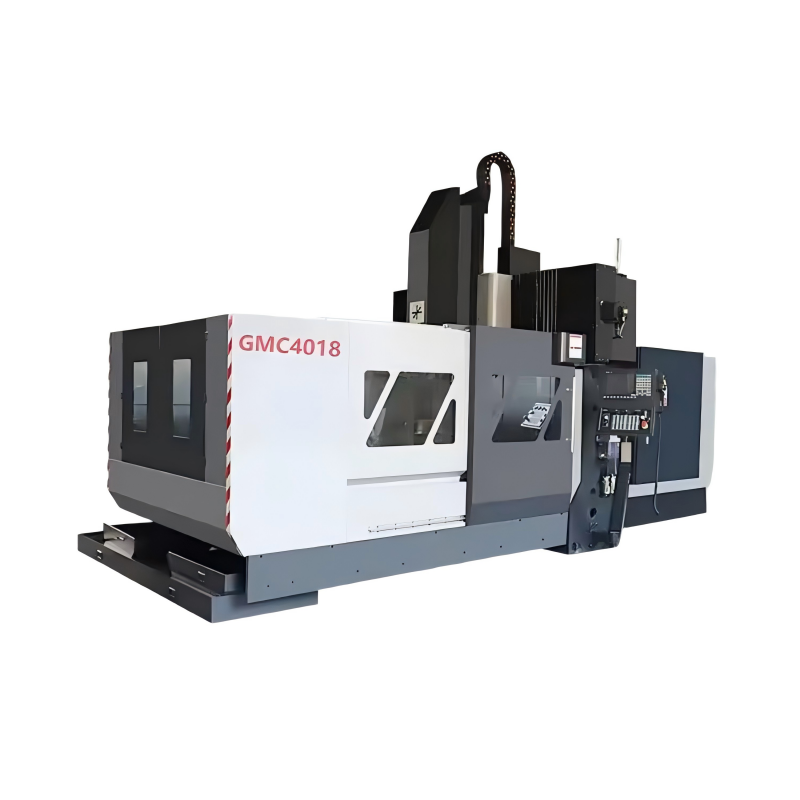
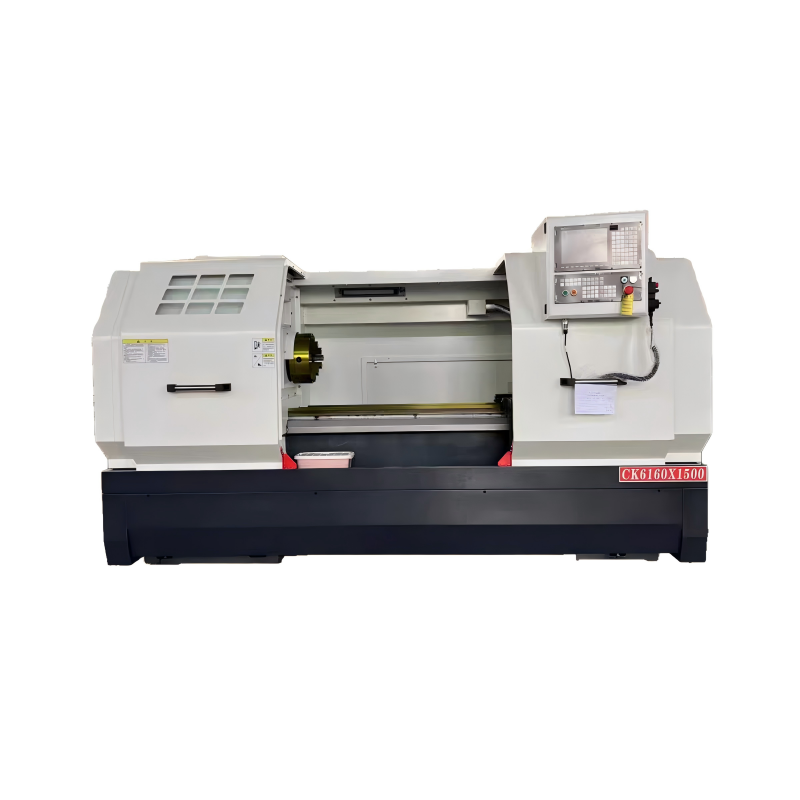
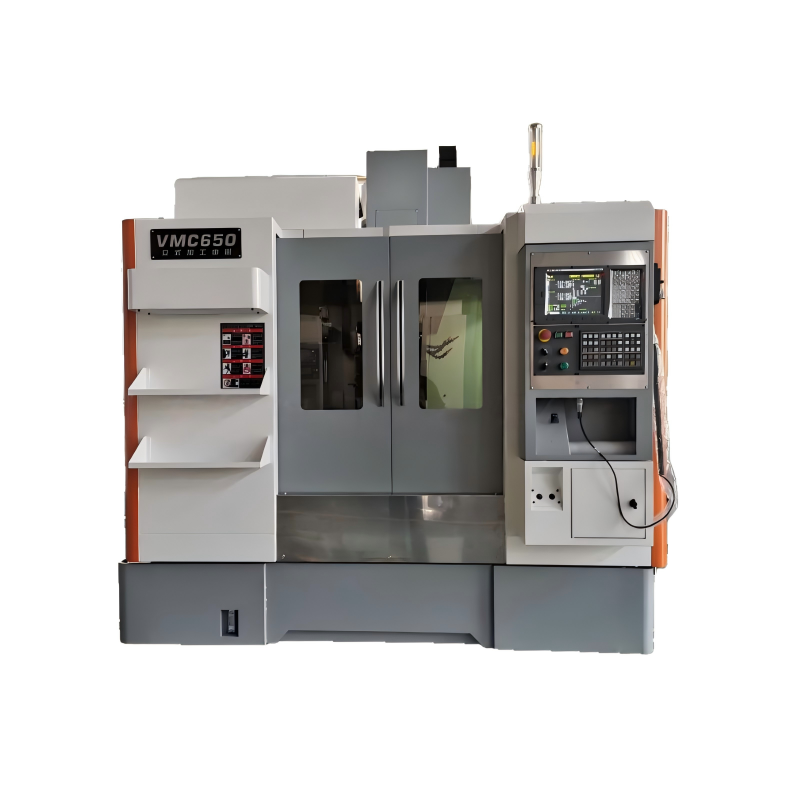
In the ever-evolving landscape of automotive manufacturing, CNC Machining Centers have emerged as a transformative force. These advanced machines are not just tools; they represent a paradigm shift towards greater precision, consistency, and efficiency in the production of automotive components.
Increased Accuracy Through Automated Processes
CNC (Computer Numerical Control) machining centers utilize pre-programmed software to execute complex tasks with unparalleled accuracy. This automation minimizes human error, ensuring that each part is manufactured to exact specifications. The ability to reproduce identical parts consistently is critical for the automotive industry, where even minor deviations can lead to significant issues in vehicle performance and safety.
Reduced Manufacturing Time and Costs
One of the most significant advantages of CNC machining centers is their speed and efficiency. These machines can operate 24/7 without breaks, significantly reducing the time required to produce large quantities of parts. Additionally, the precision of CNC machining reduces material waste, leading to cost savings for manufacturers. The streamlined production process also allows for more flexible scheduling and faster turnaround times, which is crucial in a competitive market.
Improved Quality Control and Traceability
Quality control is a top priority in the automotive industry. CNC machining centers provide detailed logs and data tracking, allowing for easy traceability and quality assurance. This level of transparency ensures that any issues can be quickly identified and addressed, maintaining the highest standards of product quality. Furthermore, the use of CNC technology enables real-time monitoring and adjustments, further enhancing the overall quality of the parts produced.
Flexibility and Adaptability in Modern Manufacturing
The automotive industry is characterized by rapid technological advancements and changing consumer demands. CNC machining centers offer the flexibility and adaptability needed to keep pace with these changes, making them an indispensable tool in modern manufacturing.
Customization and Personalization Capabilities
With CNC machining centers, manufacturers can easily switch between different designs and configurations. This capability allows for the production of customized and personalized parts, catering to specific customer needs. The ability to produce small batches of specialized components efficiently is particularly valuable in the automotive sector, where customization is becoming increasingly important.
Integration with Advanced Technologies
CNC machining centers can be seamlessly integrated with other advanced technologies, such as robotics, AI, and IoT. This integration enhances the overall manufacturing process, enabling real-time data analysis, predictive maintenance, and optimized production schedules. The synergy between CNC machining and these technologies creates a more efficient and responsive manufacturing environment, capable of adapting to dynamic market conditions.
Scalability and Future-Proofing
As the automotive industry continues to evolve, the scalability of CNC machining centers ensures that manufacturers can adapt to new challenges and opportunities. These machines can be upgraded and reprogrammed to handle new materials, designs, and production requirements. This future-proofing capability is essential for long-term success, as it allows manufacturers to stay ahead of the curve and remain competitive in a rapidly changing market.
Environmental and Sustainability Benefits
Sustainability is a growing concern in the automotive industry, and CNC machining centers play a vital role in promoting environmentally friendly practices. By optimizing resource usage and reducing waste, these machines contribute to a more sustainable manufacturing process.
Material Efficiency and Waste Reduction
CNC machining centers are designed to minimize material waste through precise cutting and shaping. This efficiency not only reduces the environmental impact but also lowers production costs. The ability to use materials more effectively is a key factor in achieving sustainability goals, as it reduces the need for raw materials and energy consumption.
Energy Efficiency and Reduced Carbon Footprint
Modern CNC machining centers are equipped with energy-efficient motors and systems that reduce power consumption. This reduction in energy usage translates to a lower carbon footprint, aligning with the industry's efforts to reduce greenhouse gas emissions. Additionally, the use of renewable energy sources and energy management systems further enhances the sustainability of CNC machining operations.
Recycling and Reuse of Materials
CNC machining centers support the recycling and reuse of materials, contributing to a circular economy. Scrap materials generated during the machining process can be collected and repurposed, reducing the need for virgin materials. This approach not only benefits the environment but also provides economic advantages by lowering the cost of raw materials and reducing waste disposal fees.

 04/06/2026



