Introduction to Low Noise Flat Bed CNC Lathes
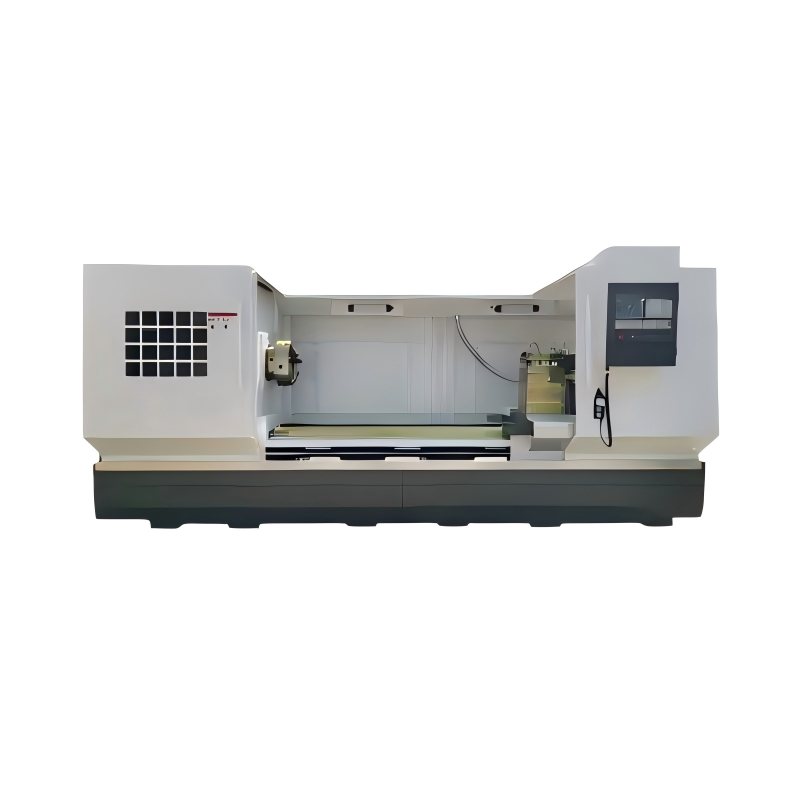
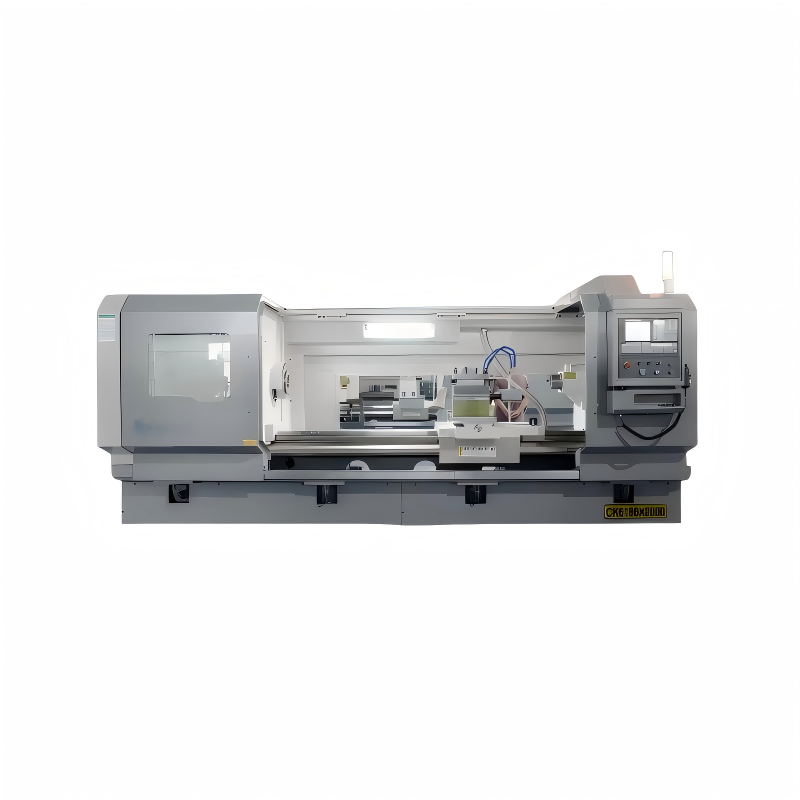
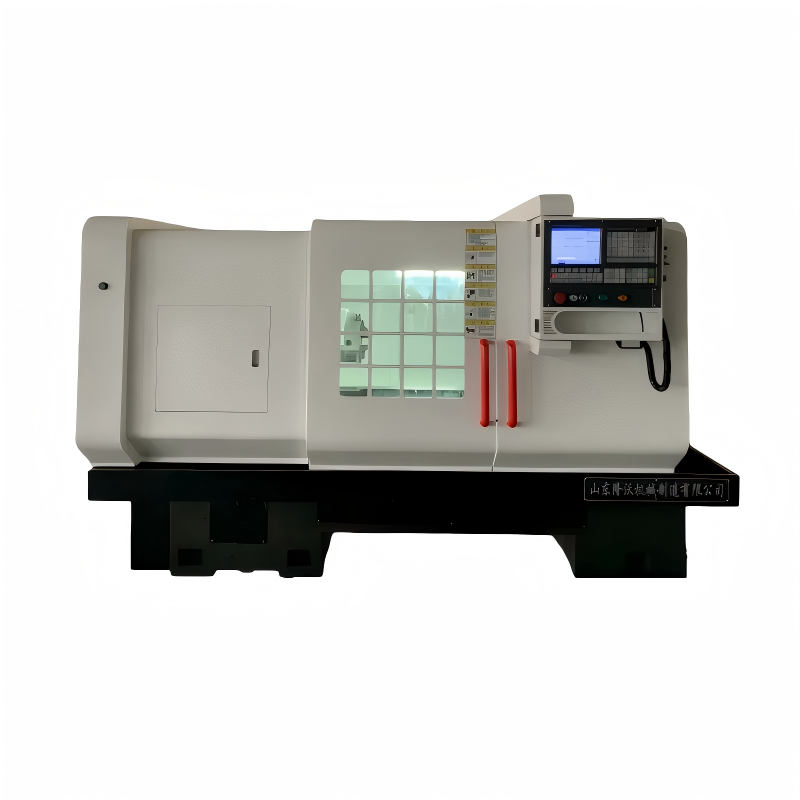
The advent of low noise flat bed CNC lathes is revolutionizing the manufacturing industry by setting new standards for operational efficiency and environmental friendliness. These advanced machines are designed with precision engineering, focusing on minimizing sound emissions without compromising on performance. This article delves into how these innovative lathes are redefining low noise manufacturing standards, exploring their key features, benefits, and the technological advancements that make them a preferred choice in modern industrial settings.
Technological Advancements Driving Silence and Efficiency
At the heart of the low noise flat bed CNC Lathe lies a series of cutting-edge technologies aimed at reducing operational noise while enhancing productivity. One such technology is the use of high-precision ball screws and linear guides, which not only ensure smooth and accurate movement but also significantly reduce friction, a major source of noise in traditional lathes. Additionally, the incorporation of vibration dampening materials and enclosures further contributes to the machine's quiet operation. These innovations work in tandem to create an environment where both workers and machinery can coexist harmoniously, leading to improved working conditions and potentially higher output rates.
Beyond just physical modifications, software plays a crucial role in achieving low noise levels. Advanced control systems allow for optimized tool paths and speeds, which can be adjusted in real-time based on the material being worked on. This level of customization ensures that the machine operates at its most efficient, thereby reducing unnecessary wear and tear as well as noise. Furthermore, predictive maintenance algorithms integrated into the lathe’s software can detect potential issues before they become problematic, allowing for timely repairs or adjustments that prevent loud malfunctions.
Economic and Environmental Benefits of Low Noise Operations
The economic advantages of employing a Low noise flat bed CNC lathe are multifaceted. Firstly, there is a direct correlation between reduced noise pollution and lower energy consumption; quieter machines often require less power to operate efficiently. In addition, the enhanced precision and reliability of these lathes lead to fewer defects and reworks, directly impacting the bottom line positively. Moreover, businesses may find it easier to comply with stringent local and international regulations regarding workplace noise, avoiding fines and penalties.
From an environmental perspective, the adoption of low noise flat bed CNC lathes supports sustainable manufacturing practices. By decreasing energy usage and waste generation, these machines contribute to a smaller carbon footprint. The reduced need for personal protective equipment (PPE) against noise also means less plastic and other non-biodegradable materials end up in landfills. Thus, companies that invest in this technology are not only improving their operational efficiencies but also taking a step towards more environmentally responsible production methods.
Challenges and Solutions in Implementing Low Noise Technology
Despite the numerous benefits, transitioning to a low noise flat bed CNC lathe setup is not without challenges. Initial investment costs can be high due to the sophisticated nature of the technology involved. However, many manufacturers offer financing options and long-term leasing agreements to make the transition more accessible. Another challenge lies in the integration of new equipment into existing workflows. Proper training and support from the supplier are essential to ensure a smooth adoption process. Some suppliers even provide comprehensive installation and commissioning services, along with ongoing technical assistance, to help overcome any initial hurdles.
To maximize the benefits of low noise technology, it is important for organizations to adopt a holistic approach. This includes conducting thorough assessments of current operations to identify areas where noise reduction would have the greatest impact. Collaboration with experienced consultants or engineers who specialize in acoustics and machining processes can provide valuable insights and recommendations. Lastly, continuous monitoring and evaluation of the system’s performance post-implementation are crucial for identifying any adjustments needed to maintain optimal noise levels and overall efficiency.
Conclusion: The Future of Manufacturing with Low Noise Flat Bed CNC Lathes
As industries worldwide continue to prioritize sustainability and worker well-being, the role of low noise flat bed CNC lathes becomes increasingly significant. These machines represent a paradigm shift in manufacturing, offering a blend of high performance and minimal environmental disruption. By embracing this technology, companies can not only enhance their competitive edge through improved productivity and quality but also contribute to a healthier planet. As research and development efforts persist, we can expect to see even more advanced and efficient solutions emerging, further cementing the position of low noise flat bed CNC lathes as a cornerstone of future manufacturing standards.
 03/06/2026



