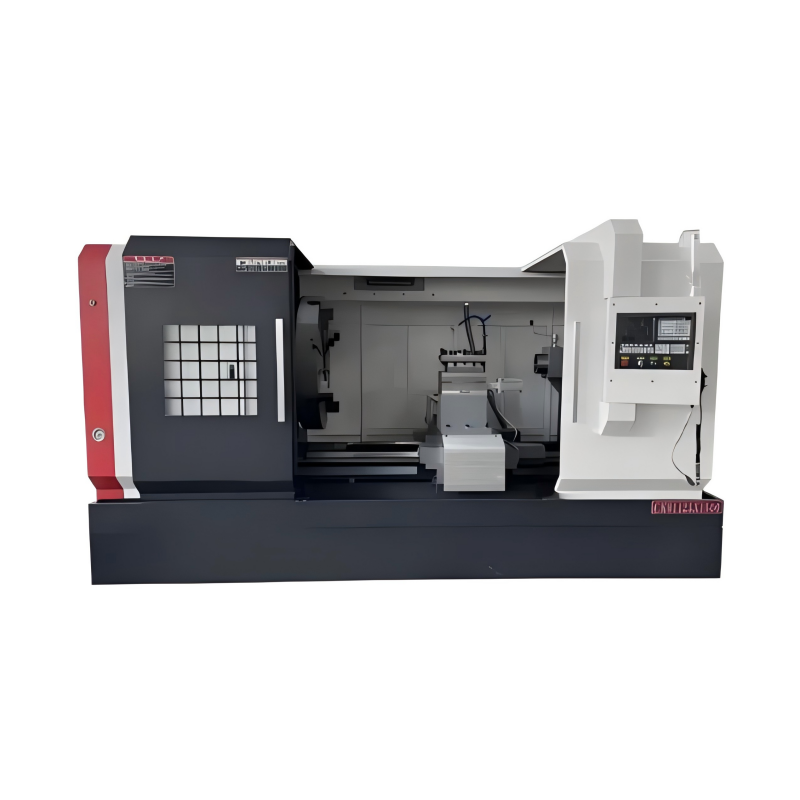
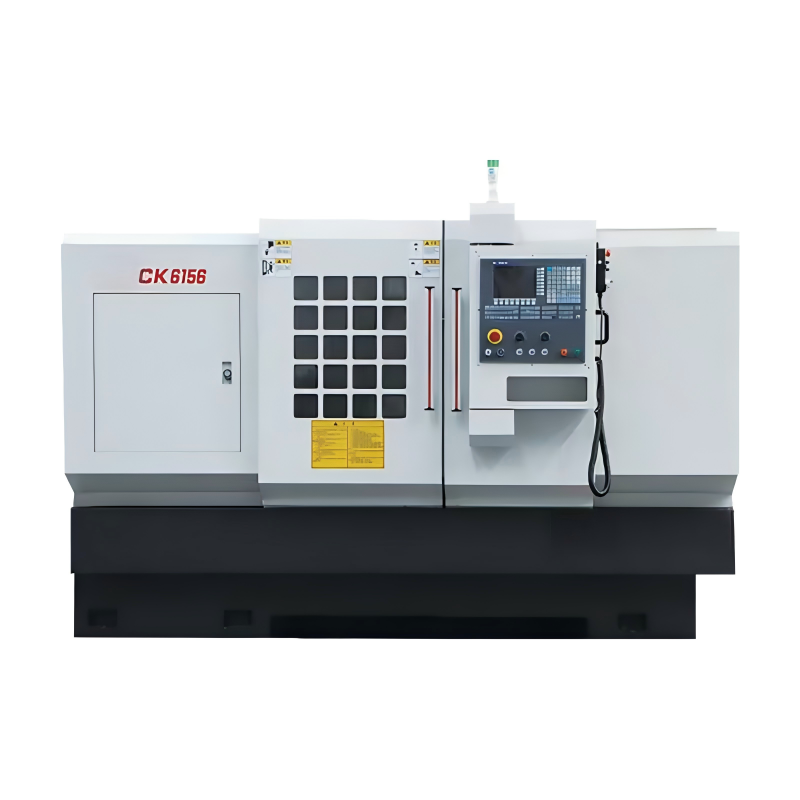
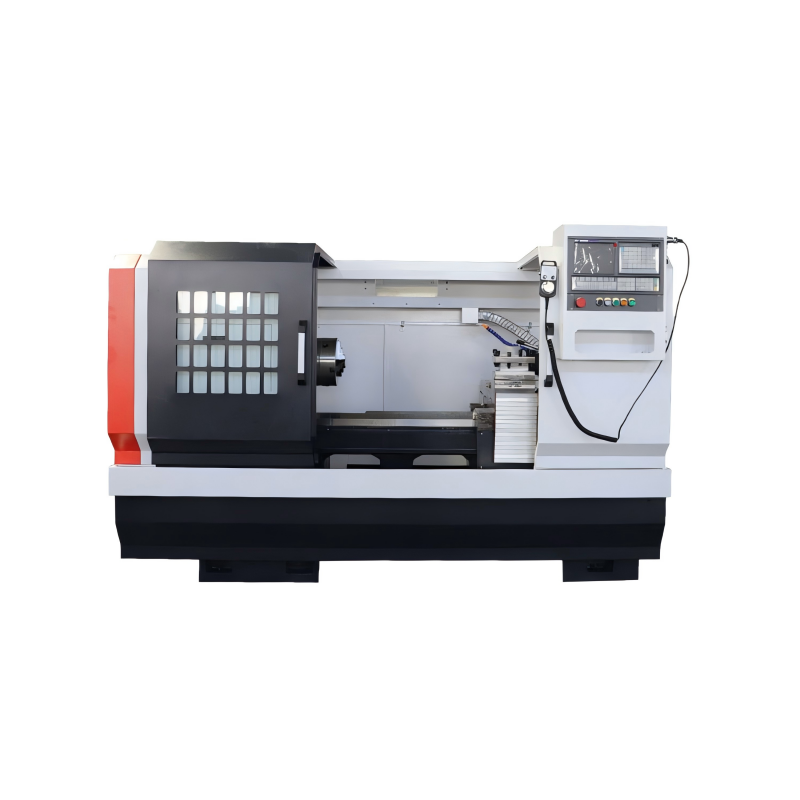
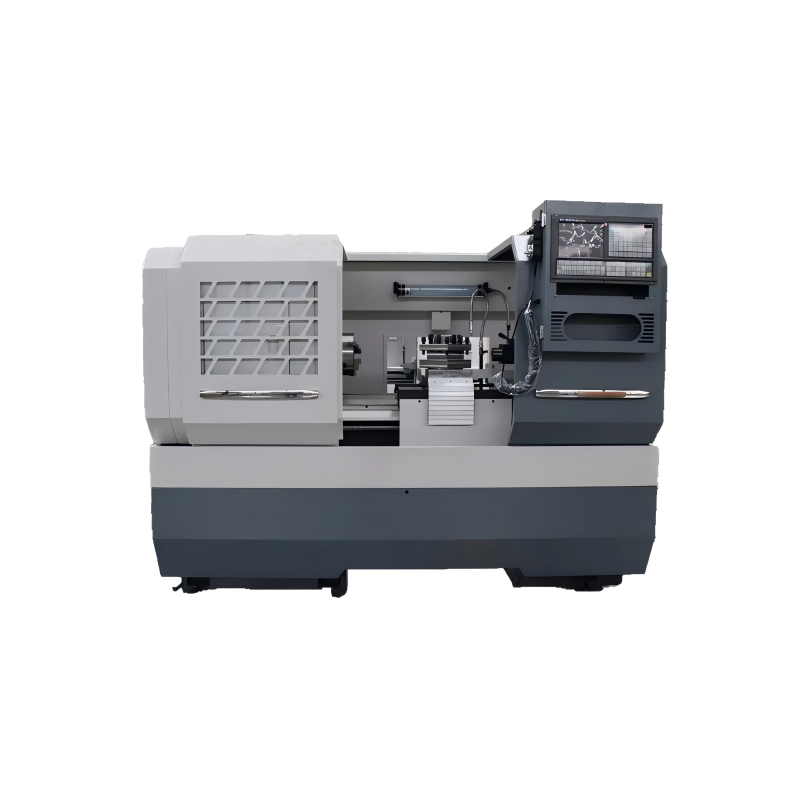
In the realm of precision manufacturing, the evolution of CNC (Computer Numerical Control) technology has been nothing short of revolutionary. Among these advancements, the mini/small horizontal CNC Lathe from China stands out as a testament to the nation's growing prowess in this field. This report delves into the recent innovations that have transformed the Fully automatic horizontal CNC lathe technology, focusing on how these changes are reshaping the industry.
Advancements in Miniaturization and Precision
The development of mini/small horizontal CNC lathes represents a significant leap forward in terms of both size and accuracy. These machines, often sourced from China, are designed to meet the needs of small-scale operations and specialized industries where space is at a premium. The key to their success lies in the integration of advanced control systems and high-precision components, which allow for intricate and highly accurate machining processes. This miniaturization not only saves valuable floor space but also reduces the overall cost of production, making it an attractive option for businesses of all sizes.
One of the most notable features of these mini/small horizontal CNC lathes is their ability to handle a wide range of materials with ease. Whether it’s aluminum, steel, or even more exotic materials like titanium, these machines can deliver consistent and reliable results. The use of high-speed spindles and advanced tooling systems ensures that even the most complex geometries can be machined with precision, meeting the stringent requirements of modern manufacturing standards.
Integration of Smart Technologies
The integration of smart technologies has been a game-changer for the fully automatic horizontal CNC lathe. Modern CNC lathes, including the mini/small models, are now equipped with advanced sensors, real-time monitoring systems, and predictive maintenance capabilities. These features not only enhance the operational efficiency of the machine but also significantly reduce downtime and maintenance costs. For example, the use of IoT (Internet of Things) sensors allows for continuous monitoring of the machine’s performance, enabling operators to detect and address potential issues before they become critical.
Furthermore, the incorporation of AI (Artificial Intelligence) and machine learning algorithms has taken the automation of these lathes to a new level. These technologies enable the machines to learn from past operations, optimizing their performance over time. This self-improving capability is particularly beneficial in high-volume production environments, where even minor improvements in efficiency can translate into substantial cost savings.
Sustainability and Energy Efficiency
As the global focus on sustainability continues to grow, the design of mini/small horizontal CNC lathes has also evolved to prioritize energy efficiency and environmental impact. Manufacturers in China, recognizing the importance of sustainable practices, have implemented various measures to reduce the carbon footprint of these machines. One such measure is the use of energy-efficient motors and drives, which consume less power without compromising on performance. Additionally, the adoption of regenerative braking systems and other energy-saving technologies helps to further reduce the overall energy consumption of the lathe.
Another aspect of sustainability is the reduction of waste and the use of eco-friendly materials. Many mini/small horizontal CNC lathes are now designed with modular components, allowing for easy upgrades and repairs. This not only extends the lifespan of the machine but also reduces the need for frequent replacements, thereby minimizing waste. Moreover, the use of biodegradable coolants and lubricants is becoming increasingly common, further contributing to the environmental friendliness of these machines.
Enhanced User Experience and Usability
Usability is a critical factor in the design of any manufacturing equipment, and the mini/small horizontal CNC lathe is no exception. To ensure a seamless user experience, manufacturers have focused on developing intuitive and user-friendly interfaces. Touchscreen displays, graphical user interfaces (GUIs), and simplified programming languages make it easier for operators to set up and run the machine, even for those with limited technical expertise. This not only enhances productivity but also reduces the learning curve associated with operating the lathe.
Additionally, the inclusion of remote access and control features has made it possible for operators to monitor and manage the machine from anywhere, using a smartphone or tablet. This remote capability is particularly useful in scenarios where the machine is located in a different part of the facility or even in a different location altogether. It also facilitates collaboration and troubleshooting, as experts can provide real-time support and guidance, ensuring that the machine operates at its optimal capacity.
Conclusion
The innovations in fully automatic horizontal CNC lathe technology, particularly in the mini/small models from China, have brought about a paradigm shift in the manufacturing industry. These advancements, ranging from miniaturization and precision to the integration of smart technologies, sustainability, and enhanced usability, have not only improved the efficiency and performance of the machines but also made them more accessible and cost-effective for a wider range of applications. As the industry continues to evolve, it is clear that these innovations will play a crucial role in shaping the future of precision manufacturing.
 23/06/2026



