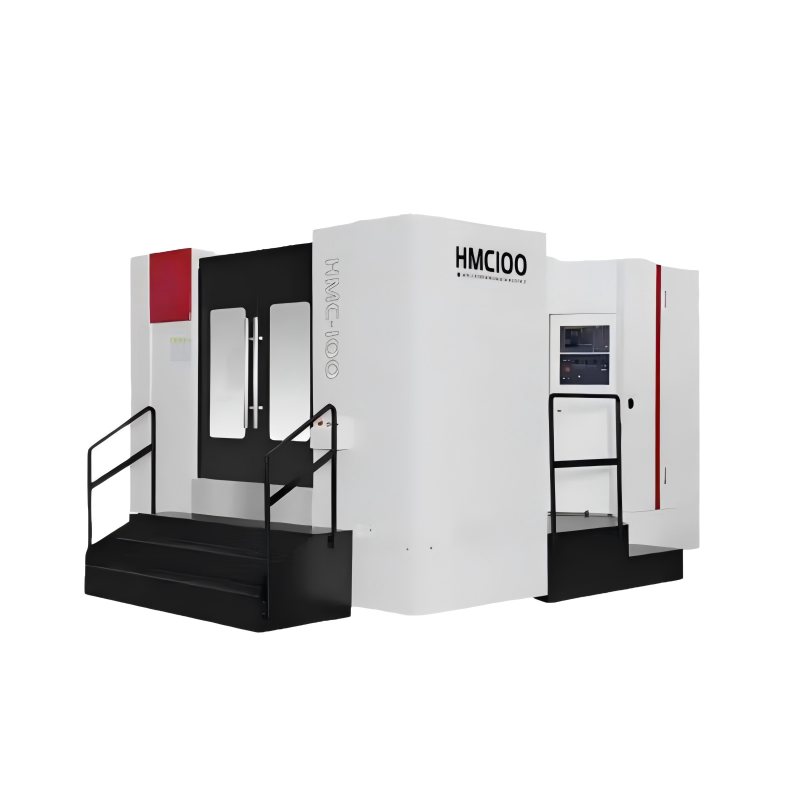
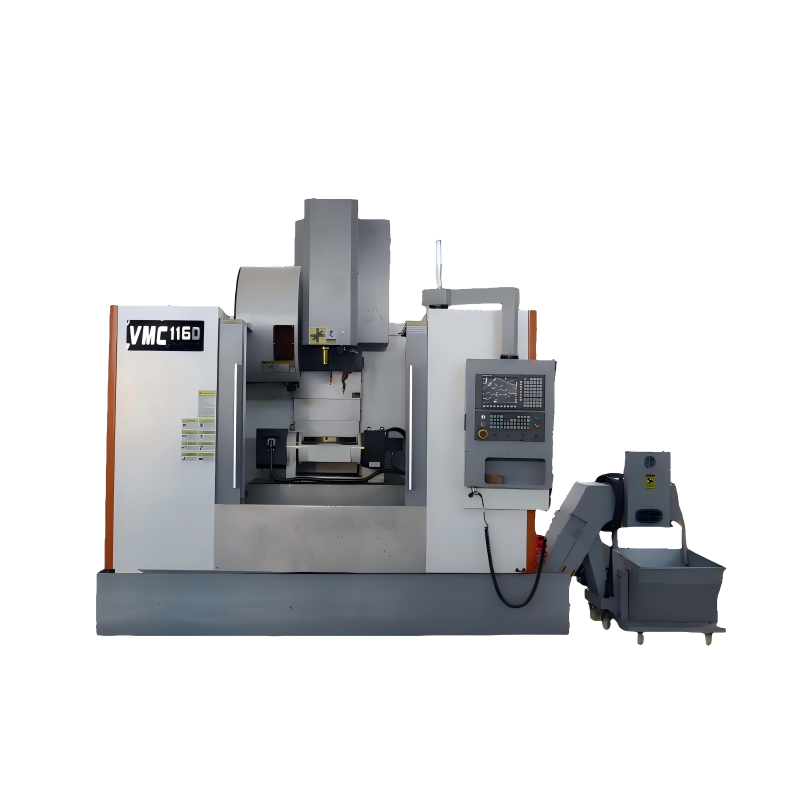
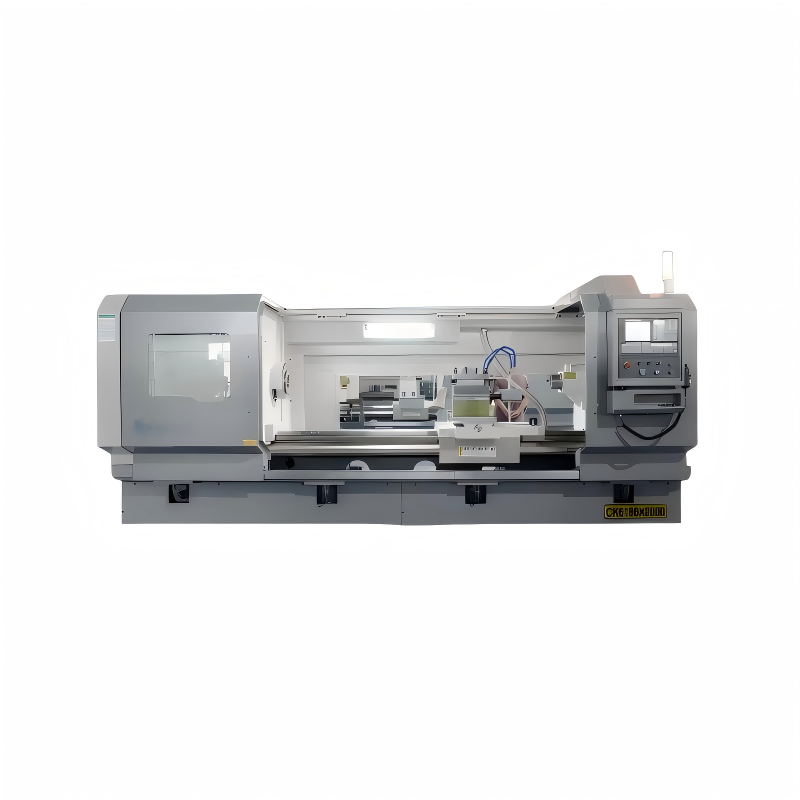
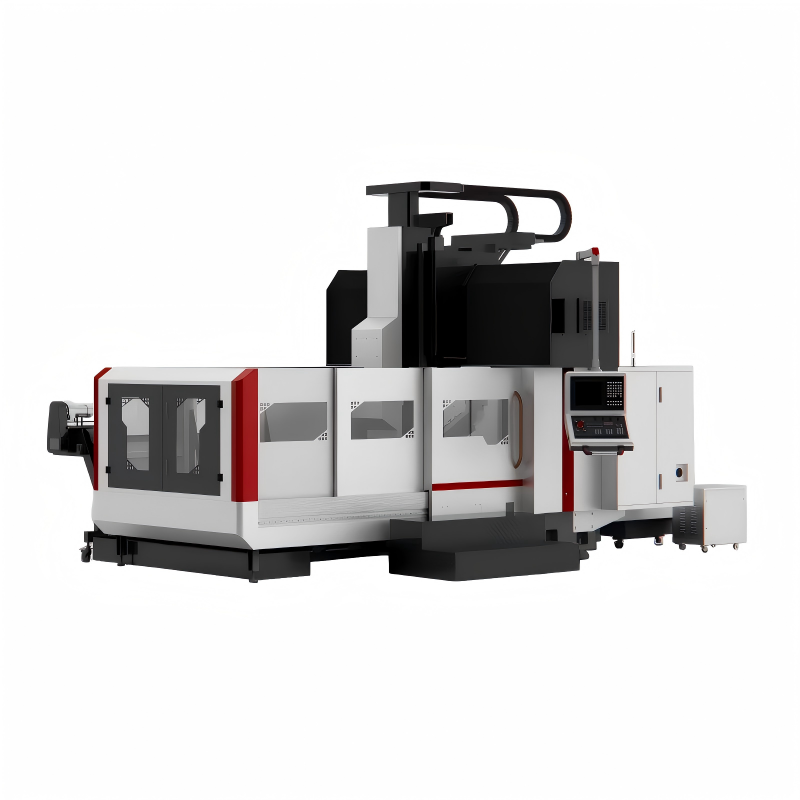
In the realm of manufacturing and material processing, the advent of automated vertical cutting devices has revolutionized the way industries handle cutting tasks. These advanced machines are designed to provide precision, efficiency, and safety in a variety of applications. This report delves into the latest innovations in automated vertical cutting devices, exploring their technological advancements, benefits, and potential future developments. By understanding these innovations, industry professionals can make informed decisions about integrating these cutting-edge solutions into their operations.
The journey of automated vertical cutting devices began with the introduction of basic mechanical cutters in the early 20th century. Over the years, these devices have evolved significantly, incorporating advanced technologies such as computer-aided design (CAD) and computer-aided manufacturing (CAM). The integration of these technologies has enabled more precise and efficient cutting processes, reducing human error and increasing productivity.
Recent advancements in automated vertical cutting devices include the use of artificial intelligence (AI) and machine learning (ML) algorithms. These technologies enable the devices to adapt to different materials and cutting requirements, optimizing the cutting process in real-time. Additionally, the incorporation of high-precision sensors and actuators has further enhanced the accuracy and reliability of these machines.
The evolution of automated vertical cutting devices has had a profound impact on various industries, including automotive, aerospace, and construction. These machines have not only improved the quality of the final products but also reduced production costs and lead times. As a result, companies that adopt these technologies gain a competitive edge in the market.
Modern automated vertical cutting devices are equipped with state-of-the-art positioning systems and cutting tools that ensure high precision and accuracy. These systems can achieve tolerances within micrometers, making them ideal for applications that require intricate and detailed cuts. The use of advanced software and hardware components allows for consistent and repeatable results, enhancing the overall quality of the finished products.
One of the primary advantages of automated vertical cutting devices is their ability to significantly increase efficiency and productivity. These machines can operate continuously without the need for breaks, and they can handle multiple cutting tasks simultaneously. This not only speeds up the production process but also reduces the need for manual labor, leading to cost savings and improved workflow management.
Automated vertical cutting devices are designed with safety features that minimize the risk of accidents and injuries in the workplace. These features include emergency stop buttons, safety barriers, and advanced monitoring systems that detect and respond to potential hazards. Moreover, the robust construction and high-quality materials used in these machines ensure their longevity and reliability, reducing downtime and maintenance costs.
As the manufacturing industry continues to embrace Industry 4.0, the integration of automated vertical cutting devices with other smart factory technologies is becoming increasingly important. This includes the use of the Internet of Things (IoT), cloud computing, and big data analytics to optimize the entire production process. By connecting these devices to a centralized control system, manufacturers can monitor and manage their operations in real-time, enabling predictive maintenance and proactive problem-solving.
Future developments in automated vertical cutting devices are likely to focus on improving material handling capabilities. This may include the use of robotic arms and conveyors to automate the loading and unloading of materials, further reducing the need for human intervention. Additionally, advancements in material recognition and sorting technologies will enable these devices to handle a wider range of materials with greater flexibility and efficiency.
With growing concerns about environmental sustainability, there is an increasing demand for eco-friendly manufacturing solutions. Future automated vertical cutting devices may incorporate energy-efficient designs and use renewable energy sources to reduce their carbon footprint. Additionally, the development of recycling and waste reduction technologies will play a crucial role in making these machines more environmentally friendly. By adopting sustainable practices, manufacturers can not only meet regulatory requirements but also contribute to a greener future.
This HTML content provides a comprehensive overview of the innovations in automated vertical cutting devices, covering their evolution, key features, and future trends. Each section is structured with clear headings and subheadings, ensuring a logical flow and easy readability. 08/06/2026
In the rapidly evolving landscape of manufacturing and industrial processes, the integration of automation has become a cornerstone for enhancing efficiency, precision, and safety. One such innovation that is making significant waves in various industries
Read More08/06/2026In an era where space optimization and cost reduction are paramount, automated vertical cutting devices (AVCDs) have emerged as a game-changer in various industries. These advanced machines not only streamline the cutting process but also significantly en
Read More07/06/2026In the rapidly evolving landscape of manufacturing and production, the introduction of automated vertical cutting devices has revolutionized traditional processes. These advanced machines not only enhance precision and speed but also significantly reduce
Read More06/06/2026In today's fast-paced manufacturing and processing industries, the selection of an automated vertical cutting device is a critical decision that can significantly impact productivity, cost-efficiency, and overall business performance. This comprehensive g
Read More06/06/2026In the realm of manufacturing and material processing, the reduction of waste is not only a cost-effective measure but also an essential step towards sustainable practices. Automated vertical cutting devices (AVCDs) have emerged as a critical tool in achi
Read More05/06/2026In the ever-evolving landscape of manufacturing and material processing, the introduction of the latest automated vertical cutting device technologies has been a game-changer. These advanced systems not only enhance productivity but also improve precision
Read More05/06/2026In the realm of manufacturing and material processing, precision is paramount. The advent of an automated vertical cutting device has significantly enhanced the capabilities of industries that rely on accurate and efficient cutting operations. This techni
Read More04/06/2026In today's fast-paced manufacturing environment, improving workshop efficiency is not just a goal but a necessity. One key tool that has proven to enhance productivity and accuracy in various industrial settings is the automated vertical cutting device. T
Read More04/06/2026In the realm of modern manufacturing, precision and efficiency are paramount. An automated vertical cutting device has emerged as a game-changer, offering significant advantages over traditional methods. This report delves into the benefits of incorporati
Read MoreOur professional sales team is always ready to assist you.