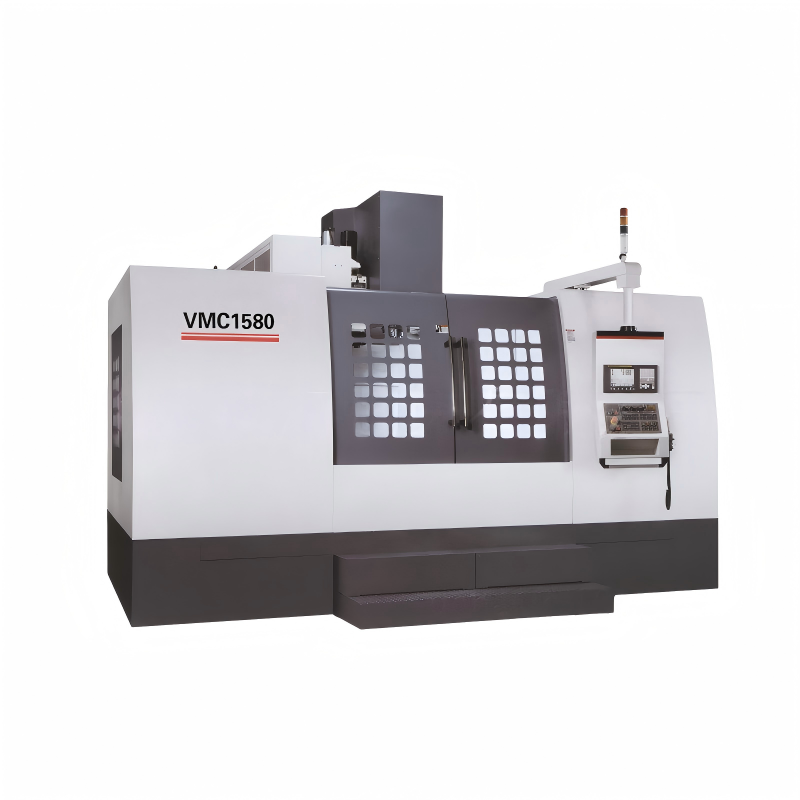
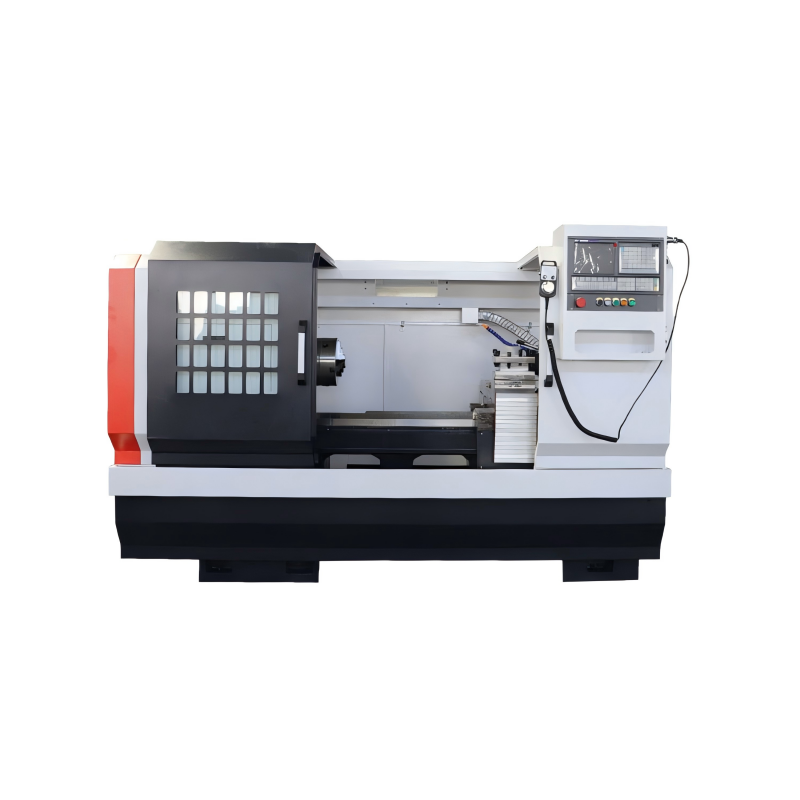
When it comes to selecting a Pipe threading lathe manufacturer, understanding the key features that define a top-notch machine is essential. A high-quality pipe threading lathe not only ensures precision and efficiency in your operations but also enhances the overall productivity of your workshop or manufacturing facility. In this technical report, we will explore several critical aspects to consider when choosing a pipe threading lathe, ensuring that you make an informed decision.
The foundation of any reliable pipe threading lathe lies in its construction. A top-notch machine should be built with high-grade materials, such as cast iron or steel, which provide the necessary rigidity and stability. The robust construction ensures that the lathe can handle the stresses and vibrations generated during the threading process without compromising accuracy or longevity. Additionally, the use of durable materials helps in reducing maintenance costs and downtime, making the lathe a cost-effective investment in the long run.
Furthermore, the design of the lathe should include features that enhance its durability. For example, the bed of the lathe, which is the base on which the workpiece is mounted, should be wide and heavy-duty. This design feature provides better support and reduces the risk of deflection, ensuring consistent and accurate threading. The headstock, which houses the spindle, should also be robust and capable of handling high torque, allowing for the efficient cutting of threads even on large-diameter pipes.
Modern pipe threading lathes are equipped with advanced control systems that significantly enhance their usability and performance. These systems often include digital displays, programmable controls, and automated features that simplify the threading process. A user-friendly interface is crucial, as it allows operators to set up and operate the lathe with ease, even if they have limited experience. This not only improves productivity but also reduces the likelihood of errors, leading to higher quality output.
One of the key features to look for in a top-notch pipe threading lathe is the presence of a CNC (Computer Numerical Control) system. CNC technology enables precise and repeatable threading, as it allows for the programming of specific thread profiles and parameters. This is particularly beneficial in applications where consistency and accuracy are paramount. Additionally, some advanced lathes may offer features such as automatic tool changers, which further streamline the threading process by reducing the time required for tool setup and changeover.
A versatile pipe threading lathe is one that can handle a wide range of pipe sizes and materials. This adaptability is crucial in a manufacturing environment where different projects may require different specifications. A top-notch lathe should be capable of threading pipes of varying diameters, from small to large, and should be able to accommodate both ferrous and non-ferrous materials. The ability to adjust the lathe's settings and tooling to meet these diverse requirements is a hallmark of a high-quality machine.
Another aspect of versatility is the lathe's ability to perform multiple operations beyond just threading. Some advanced lathes come with additional features such as facing, turning, and chamfering, which can be useful in various stages of pipe preparation. This multifunctionality not only increases the lathe's value but also reduces the need for additional equipment, saving space and resources in the workshop.
Moreover, the adaptability of a pipe threading lathe extends to its compatibility with different types of threading tools and accessories. A good lathe should be designed to accept a variety of standard and custom tools, allowing for flexibility in the types of threads that can be produced. This is particularly important in industries where specialized or custom threads are required, such as in the oil and gas, plumbing, and HVAC sectors.
Accuracy is a critical factor in any machining operation, and pipe threading is no exception. A top-notch pipe threading lathe should be capable of producing threads with high precision, ensuring that the final product meets the required specifications. This is achieved through the use of high-precision components, such as the spindle, lead screw, and ways, which are designed and manufactured to tight tolerances.
Additionally, the lathe should be equipped with features that enhance its precision, such as backlash elimination mechanisms and fine-tuning capabilities. Backlash, which is the play between the gears and leadscrew, can lead to inaccuracies in the threading process. A lathe with a backlash elimination mechanism ensures that the threading is smooth and consistent, resulting in high-quality threads. Fine-tuning capabilities, such as micrometer adjustments, allow operators to make precise changes to the threading parameters, further enhancing the accuracy of the final product.
Regular calibration and maintenance are also essential for maintaining the lathe's precision over time. A top-notch lathe should come with clear instructions and guidelines for calibration, as well as a comprehensive maintenance plan. This ensures that the machine remains in optimal condition, delivering consistent and accurate results throughout its lifespan.
Safety is a paramount concern in any manufacturing environment, and a top-notch pipe threading lathe should be designed with this in mind. The lathe should be equipped with safety features such as emergency stop buttons, safety guards, and interlocks to prevent accidents and injuries. These features protect both the operator and the machine, ensuring a safe working environment.
Compliance with industry standards and regulations is another important aspect to consider. A reputable Pipe threading lathe manufacturer will ensure that their machines meet or exceed the relevant safety and quality standards, such as those set by organizations like OSHA (Occupational Safety and Health Administration) and ISO (International Organization for Standardization). This not only ensures the safety of the operators but also helps in meeting the regulatory requirements of the industry.
Furthermore, the lathe should be designed with ergonomics in mind, providing a comfortable and efficient working environment for the operator. This includes features such as adjustable workbenches, ergonomic handles, and easy-to-reach controls. An ergonomic design reduces the risk of operator fatigue and injury, leading to improved productivity and job satisfaction.
In conclusion, selecting a top-notch pipe threading lathe involves considering several key features, including robust construction and durability, advanced control systems and user-friendliness, versatility and adaptability, high precision and accuracy, and safety features and compliance. By carefully evaluating these aspects, you can ensure that you choose a lathe that meets your specific needs and enhances the overall efficiency and productivity of your operations.
 17/06/2026
The Evolution and Importance of Pipe Threading Lathes in Modern IndustriesAs industries continue to evolve, the need for precision and efficiency in manufacturing processes has become more critical than ever. One such tool that plays a pivotal role in thi
Read More17/06/2026In the ever-evolving world of industrial machinery, pipe threading lathes have become indispensable tools for manufacturers and contractors alike. These machines are designed to cut threads into pipes, ensuring precise and durable connections. This report
Read More16/06/2026The Evolution of Pipe Threading Lathe TechnologyIn the realm of industrial manufacturing, the advancement in machinery design and production has been nothing short of revolutionary. Among these innovations, the pipe threading lathe stands out as a critica
Read More16/06/2026When it comes to selecting the right Pipe threading lathe manufacturer for your specific needs, there are several key factors that you should consider. This technical report will guide you through the process, ensuring that you make an informed decision t
Read More16/06/2026In the realm of industrial machinery, a pipe threading lathe stands out as an essential tool for creating precise and durable threads on pipes. This article delves into the advantages offered by a high-quality pipe threading lathe from a reputable pipe th
Read MoreOur professional sales team is always ready to assist you.