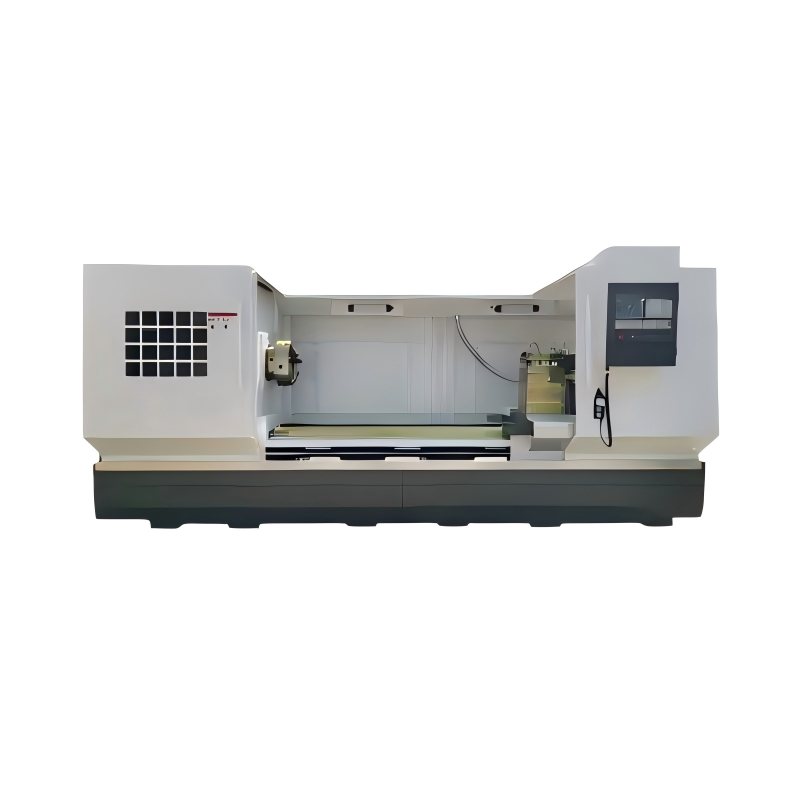
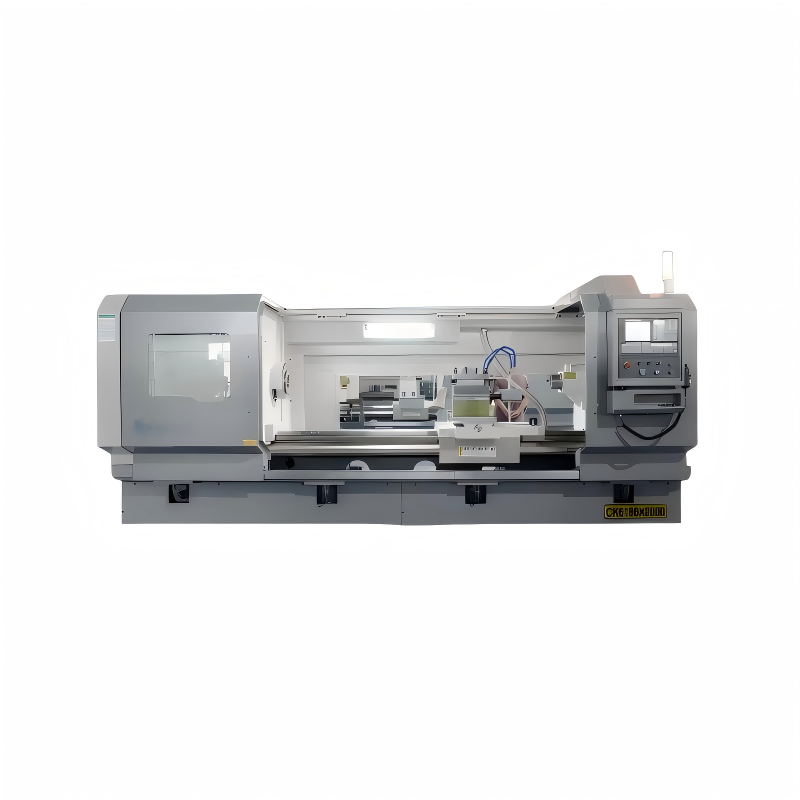
In the ever-evolving landscape of modern manufacturing, the introduction of low noise Flat Bed CNC Lathes has revolutionized precision engineering and production efficiency. These advanced machines not only provide a quieter working environment but also offer enhanced accuracy, reliability, and versatility. This report delves into the innovations that have made low noise flat bed CNC lathes a cornerstone in today's manufacturing processes. We will explore how these machines contribute to improved productivity, reduced operational costs, and a more sustainable manufacturing environment. Additionally, we will discuss the technological advancements that have enabled these lathes to achieve superior performance, as well as the practical benefits they bring to various industries.
One of the key innovations in low noise flat bed CNC Lathes is the integration of advanced control systems. These systems utilize state-of-the-art software and hardware to ensure precise and accurate machining. The use of high-resolution encoders and servo motors allows for micro-level adjustments, resulting in tighter tolerances and smoother surface finishes. This level of precision is crucial for industries such as aerospace, automotive, and medical devices, where even the slightest deviation can have significant consequences.
Another factor contributing to the enhanced precision of Low noise flat bed CNC lathes is the development of specialized tooling and fixtures. Modern tooling materials, such as carbide and ceramic, are designed to withstand high cutting speeds and temperatures, ensuring consistent performance over extended periods. Additionally, innovative fixture designs allow for quick and secure workpiece clamping, reducing setup times and minimizing the risk of errors during the machining process.
The mechanical design of low noise flat bed CNC lathes has been significantly optimized to minimize noise and vibration. Features such as rigid cast iron beds, balanced spindles, and vibration-dampening materials help to absorb and dissipate vibrations, leading to a quieter and more stable operation. This not only improves the working environment for operators but also extends the lifespan of the machine and its components by reducing wear and tear.
Beyond mechanical design, advanced acoustic engineering techniques have been employed to further reduce operational noise. Enclosures and sound-absorbing materials are strategically placed around the machine to contain and dampen sound. Additionally, the use of variable frequency drives (VFDs) for motor control helps to smooth out the power delivery, reducing the noise generated by the electrical system. These combined efforts result in a machine that operates at significantly lower decibel levels, making it suitable for environments where noise control is a priority.
Low noise flat bed CNC lathes are equipped with high-speed machining capabilities, allowing for faster material removal rates and shorter cycle times. High-torque spindles and rapid traverse rates enable the machine to handle a wide range of materials, from soft metals to hard alloys, with ease. This increased speed does not come at the cost of quality; rather, it is complemented by advanced cooling and lubrication systems that maintain optimal cutting conditions, ensuring both efficiency and precision.
Automation is another key feature that enhances the productivity of low noise flat bed CNC lathes. Automated tool changers, bar feeders, and part unloaders can be seamlessly integrated into the machining process, reducing manual intervention and increasing throughput. Furthermore, these lathes can be easily connected to manufacturing execution systems (MES) and enterprise resource planning (ERP) systems, enabling real-time monitoring and data analysis. This integration facilitates better decision-making and optimizes the overall production workflow.
Modern low noise flat bed CNC lathes are designed with energy efficiency in mind. Energy-efficient components, such as LED lighting, regenerative drives, and intelligent power management systems, help to reduce energy consumption. This not only lowers operational costs but also contributes to a more sustainable manufacturing process. Additionally, the use of predictive maintenance technologies, such as condition monitoring and remote diagnostics, allows for proactive maintenance, reducing downtime and extending the life of the machine.
The modular design of low noise flat bed CNC lathes makes them highly adaptable and easy to upgrade. Components such as spindles, tool turrets, and control systems can be easily replaced or upgraded as new technologies become available. This modularity ensures that the machine remains up-to-date and capable of meeting evolving manufacturing requirements. It also reduces the need for complete machine replacements, thereby lowering long-term capital expenditures and improving the return on investment.
Low noise flat bed CNC lathes contribute to sustainability by minimizing waste and optimizing material usage. Advanced simulation and programming tools allow for the creation of efficient machining paths, reducing the amount of scrap material generated. Additionally, the use of multi-axis machining capabilities enables complex parts to be produced in a single setup, further reducing material waste. These practices not only save resources but also lower the environmental impact of the manufacturing process.
The use of eco-friendly materials and practices is another aspect of the sustainability of low noise flat bed CNC lathes. Biodegradable coolants and lubricants, along with recycling programs for metal chips and other byproducts, help to minimize the environmental footprint. Moreover, manufacturers are increasingly adopting green manufacturing principles, such as using renewable energy sources and implementing zero-waste policies. These efforts align with global sustainability goals and support the transition to a more environmentally conscious manufacturing industry.
 03/06/2026
In today's fast-paced manufacturing environment, the demand for high-precision and efficient machining solutions has never been higher. The latest low noise flat bed CNC lathe technology is at the forefront of meeting these demands, offering a blend of pr
Read More03/06/2026In the world of precision machining, the choice between a traditional flat bed CNC lathe and a low noise flat bed CNC lathe can significantly impact both the quality of work and the working environment. This technical report aims to compare these two type
Read More03/06/2026In the ever-evolving landscape of industrial manufacturing, precision and efficiency are paramount. A low noise flat bed CNC lathe is a cutting-edge solution that addresses these needs while also providing a more comfortable working environment. This repo
Read More03/06/2026In the realm of precision machining, a low noise flat bed CNC lathe is an essential tool for achieving high-quality outputs with minimal disturbance. This guide aims to provide a comprehensive understanding of maintaining such machinery for optimal perfor
Read More03/06/2026In the realm of precision machining, low noise flat bed CNC lathes have emerged as a preferred choice for industries requiring high-accuracy and minimal operational disturbances. These machines are designed with advanced features that not only enhance the
Read More03/06/2026In the ever-evolving world of manufacturing, the integration of advanced technologies has become a necessity to enhance productivity and maintain a competitive edge. One such innovation that has significantly impacted the industry is the low noise flat be
Read More03/06/2026In the modern manufacturing landscape, the pursuit of enhanced productivity without compromising on quality or working environment is a top priority. This technical report delves into how the integration of a low noise flat bed CNC lathe can significantly
Read More03/06/2026When it comes to selecting the right low noise flat bed CNC lathe for your workshop, there are numerous factors that must be considered. This guide aims to provide a comprehensive overview of the key considerations in choosing an efficient and suitable ma
Read More03/06/2026In the realm of precision machining, a low noise flat bed CNC lathe stands out as an innovative solution that not only enhances the working environment but also significantly improves the efficiency and quality of machined components. This technical repor
Read More03/06/2026Introduction to Low Noise Flat Bed CNC Lathes The advent of low noise flat bed CNC lathes is revolutionizing the manufacturing industry by setting new standards for operational efficiency and environmental friendliness. These advanced machines are designe
Read More03/06/2026Introduction to Flat Bed CNC LathesThe evolution of machining technology has brought about significant advancements, with one of the most notable being the Low noise flat bed CNC lathe. This innovative machine is not only a marvel in precision but also se
Read More03/06/2026The Evolution of CNC Lathes: A Focus on Low Noise DesignIn the ever-evolving landscape of manufacturing, the design and functionality of Computer Numerical Control (CNC) lathes have undergone significant transformations. One of the most notable advancemen
Read MoreOur professional sales team is always ready to assist you.